





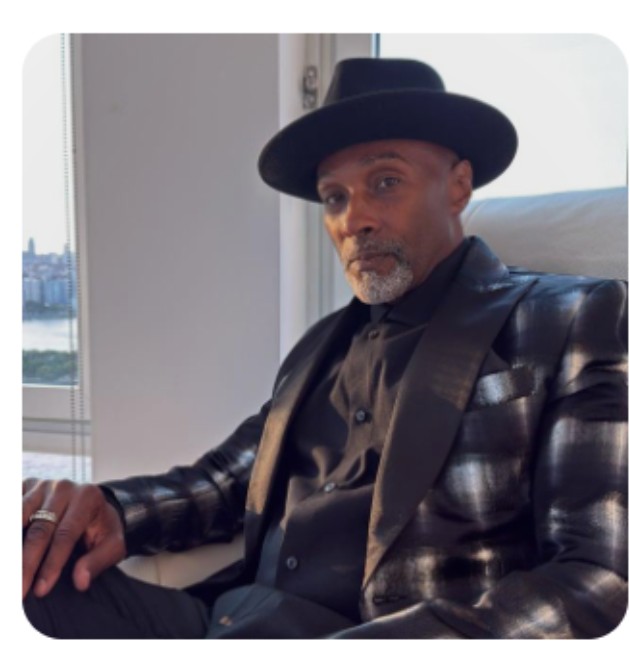
Few figures from New York City’s street history have experienced a transformation as dramatic as Gerald “Prince” Miller. Once known as one of the most influential leaders of the infamous Supreme Team organization in South Jamaica, Queens, Miller’s life story has evolved from power, wealth, and notoriety to reflection, redemption, and community advocacy. His journey offers a rare first-hand perspective on one of the most discussed eras in New York’s history—the crack cocaine epidemic of the 1980s—and the personal cost that accompanied it.
Growing Up in South Jamaica, Queens
Gerald Miller came of age in South Jamaica, Queens, during a period when New York City was experiencing economic hardship, rising crime, and growing social instability. Like many young men from the neighborhood, he was shaped by the realities of urban life in the late 1970s and early 1980s.
His family connection to Kenneth “Supreme” McGriff would ultimately place him at the center of one of the most influential criminal organizations operating in New York during that era. The Supreme Team emerged from the Baisley Park Houses and would become one of the most recognized organizations associated with the crack cocaine trade in Queens.
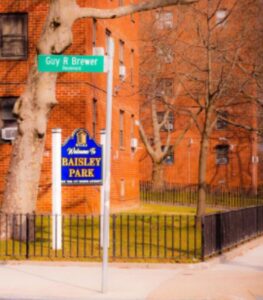
The Rise of the Supreme Team
Founded by Kenneth “Supreme” McGriff, the Supreme Team grew into a powerful enterprise operating throughout New York City during the 1980s. Following McGriff’s incarceration on narcotics charges, leadership responsibilities increasingly shifted to Miller, who became one of the organization’s primary decision-makers.

According to historical accounts and court records referenced in multiple sources, Miller oversaw extensive drug distribution operations and helped expand the organization’s influence across multiple territories. The group developed a reputation for organization, discipline, and operational sophistication that distinguished it from many street organizations of the period.
The Supreme Team’s story later became the subject of documentaries, books, articles, and hip-hop references, reflecting the organization’s lasting impact on New York street culture and the broader cultural landscape of the 1980s and 1990s.
Federal Prosecution and Life Sentences
In 1990, Miller was charged in a major federal case targeting the Supreme Team organization. Prosecutors alleged that he played a leadership role in a large-scale narcotics enterprise operating in Queens and surrounding areas.
Following a federal trial, Miller was convicted on racketeering, continuing criminal enterprise, and money laundering charges. He received multiple concurrent life sentences, along with additional prison time for related offenses. According to information published on his official website, the sentencing judge acknowledged both the seriousness of the crimes and Miller’s potential to someday influence others in a positive direction.
The conviction effectively ended one chapter of Miller’s life and began another that would last more than three decades behind federal prison walls.
Finding Purpose During Incarceration
What makes Miller’s story notable is not only his rise and fall but the transformation that occurred during his years in prison.
According to his own account, he spent decades reflecting on the choices that led him there and gradually began focusing on personal growth, education, and mentorship. The remarks made by the sentencing judge reportedly remained with him throughout his incarceration and became a source of motivation for change.
Over time, Miller developed a different understanding of leadership—one centered on helping others avoid the mistakes that had defined much of his early life. This shift would eventually become the foundation of his work after release.
Release and a New Mission
After serving nearly 35 years in federal custody, Miller was released in 2024. Rather than attempting to capitalize solely on his notoriety, he has positioned himself as a speaker, author, and advocate focused on restorative justice and community empowerment.
Today, Miller uses his experiences to engage with young people, formerly incarcerated individuals, and communities affected by crime and incarceration. Through public appearances, interviews, educational initiatives, and media projects, he speaks candidly about both the allure and consequences of street life.
The Redeem Team Initiative
One of the most significant developments in Miller’s post-release life is the creation of The Redeem Team, a nonprofit organization dedicated to breaking cycles of crime, incarceration, and lost opportunity.
The organization focuses on:
Youth mentorship
Educational outreach
Community empowerment
Rehabilitation support
Restorative justice initiatives
Drawing directly from his personal experiences, Miller seeks to provide guidance to young people who may be facing challenges similar to those he encountered growing up in Queens.
The Supreme Team Documentary
Miller’s story reached a broader audience through the documentary series Supreme Team, an Emmy-nominated project that explores the rise, influence, and legacy of the organization through interviews with Miller, Kenneth McGriff, family members, journalists, and cultural figures.
The documentary examines not only criminal activity but also the social conditions, economic realities, and cultural influences that helped shape an entire generation in New York City. Executive production involvement from hip-hop icon Nas helped bring the story to a mainstream audience.
Legacy: A Story of Consequences and Redemption.
Gerald “Prince” Miller’s life remains a complex story that cannot be reduced to a single label. For some, he represents one of the most recognizable figures from New York’s crack-era history. For others, he has become an example of how personal transformation can occur even after decades of incarceration.
His journey reflects broader themes that continue to resonate today: the impact of environment, the consequences of criminal activity, the possibility of rehabilitation, and the importance of creating opportunities for future generations.
Whether viewed through the lens of history, culture, criminal justice, or personal redemption, Miller’s story remains one of the most compelling narratives to emerge from South Jamaica, Queens.
As Miller himself has suggested through his recent work, the ultimate measure of a life may not be where it begins—but what lessons are learned and shared along the way.
Subscribe to the Prince miller podcast.
https://youtu.be/7ng10w6GihY?is=pStWhey6sCtd38cs
Sources & Further Reading
http://princemillernyc.com
http://tv.apple.com