










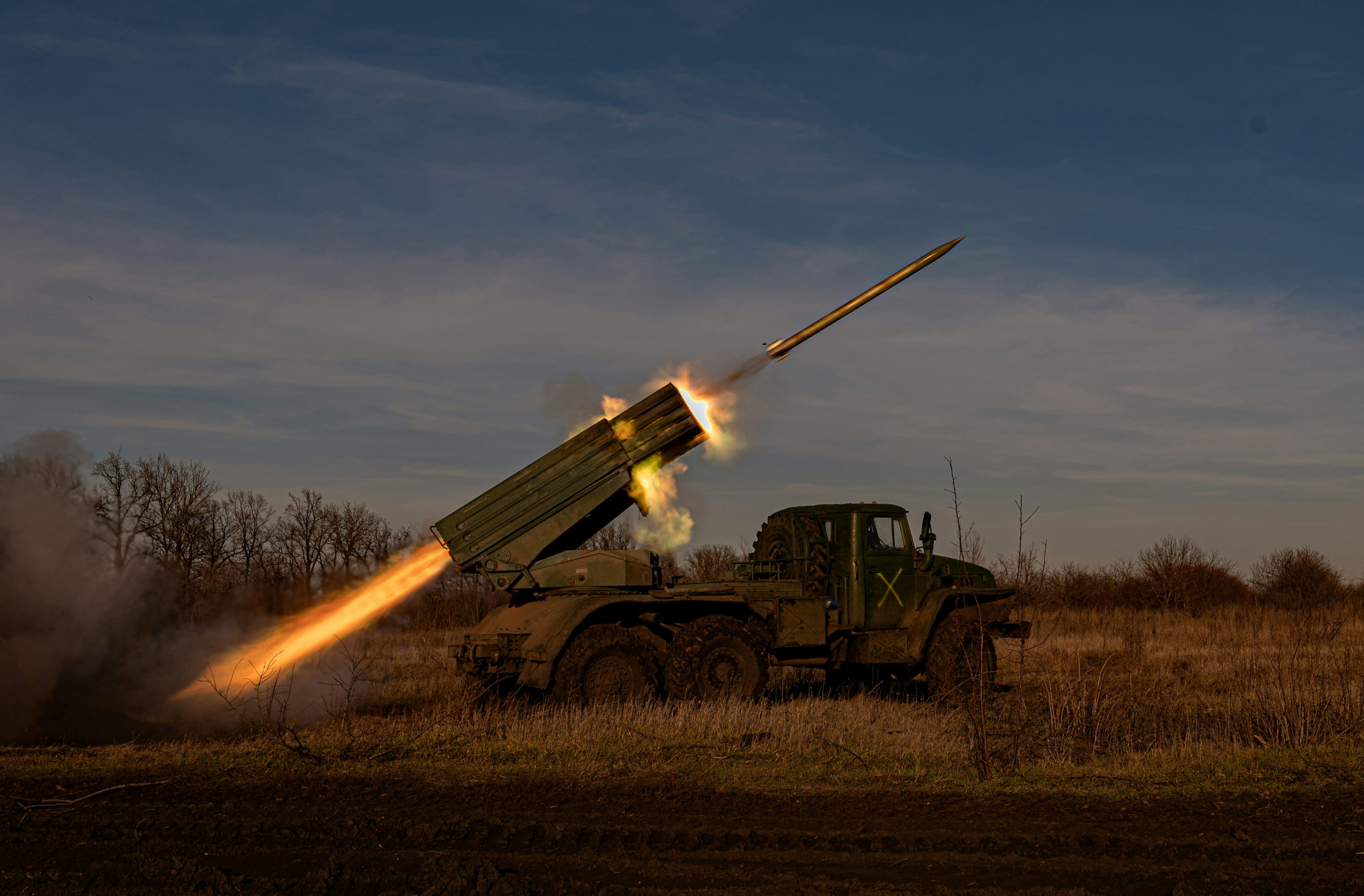
U.S. forces in Iran are reportedly facing a grave issue that has raised questions about how long America can keep up its offensive: a dwindling stockpile of ammunition. Kelly Grieco, senior fellow with the Stimson Center’s Reimagining U.S. Grand Strategy Program, has called the ammo situation an “immediate risk,” adding that it will only get worse the longer the conflict draws out. The warning comes as the conflict shows few signs of easing and political support for the war continues to erode at home.
An ‘immediate risk’
Grieco commented on the situation, saying that the pace at which the U.S. has expended advanced weapons is becoming a pressing concern. “The United States has burned through Patriot, THAAD missile interceptors and long-range strike missiles at an extraordinary rate,” Grieco told Newsweek. “In the near term, this is a force-protection issue.”
“Interceptors are what stand between Iranian missiles and American forces at bases across the Gulf. … This is the immediate risk, and it gets worse the longer this runs,” she added.
A study by the Center for Strategic and International Studies (CSIS) estimated that the U.S. has depleted between one-third and one-half of its reserves of seven major munitions, including Patriot and THAAD interceptors, SM-3 and SM-6 missiles, Precision Strike Missiles, Joint Air-to-Surface Standoff Missiles and Tomahawk cruise missiles. According to the report, Patriot interceptor inventories have fallen from roughly 2,500 before the Iran war to around 1,000. THAAD interceptor stocks have dropped from about 360 to between 70 and 170.
High costs of replacing sophisticated weapons compound the issue
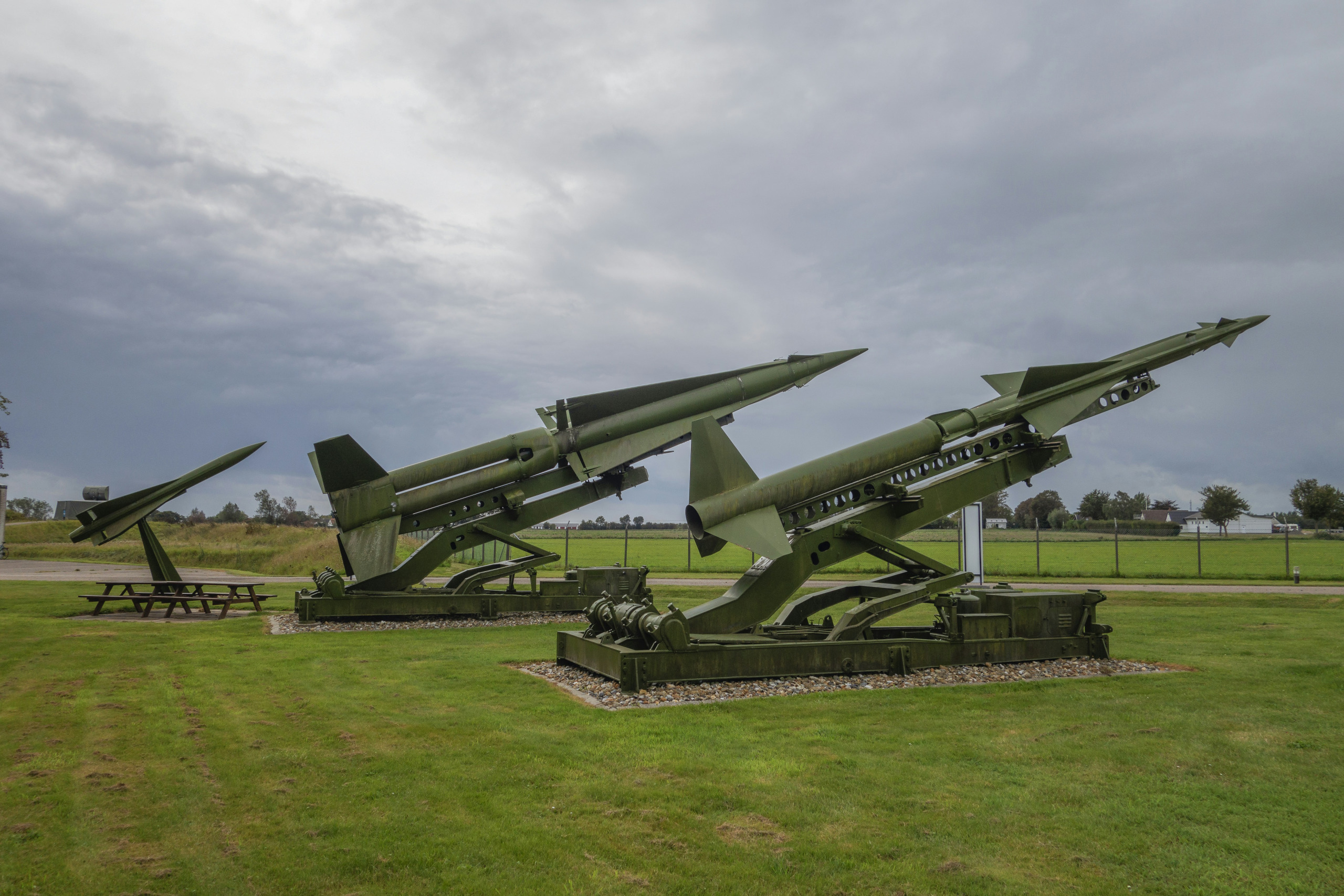
CSIS senior adviser Mark Cancian said current stockpiles remain sufficient to continue operations in the Middle East but warned of broader strategic consequences of emptying ammunition reserves. “The risk is in a future war particularly against China but also against North Korea or Russia,” Cancian told Newsweek. “Even before the current war, most analysts considered the inventories to be insufficient for a war against China and they are now even lower.”
“It will take one to five years to get the inventories back to where they were pre-war and another several years after that to get to where war planners want them to be. … That creates a window of vulnerability,” he added.
The challenge is compounded by the cost of replacing sophisticated weapons. PAC-3 MSE Patriot interceptors cost about $4 million each, while THAAD interceptors average roughly $12 million. By comparison, Iranian ballistic missiles are estimated to cost only a few hundred thousand dollars, while Shahed drones typically cost between $20,000 and $50,000, and in some cases as little as $7,000.
Plummeting public and political support for Iran war: A major hurdle
Grieco further said that dwindling public and political support for the war poses an equally serious challenge for the Trump administration. “Political support is the binding constraint,” she said. “Wars normally open with public backing that erodes over time — Iraq had roughly 70 percent in its early months, Afghanistan about 90. This war has been below 40 percent since it started and now sits at one in three.”
“Starting with such low public support means the administration has no political reserve to spend. … The political constraints that usually take a war years to reach have been there from the start. The administration is operating on borrowed time,” she added.
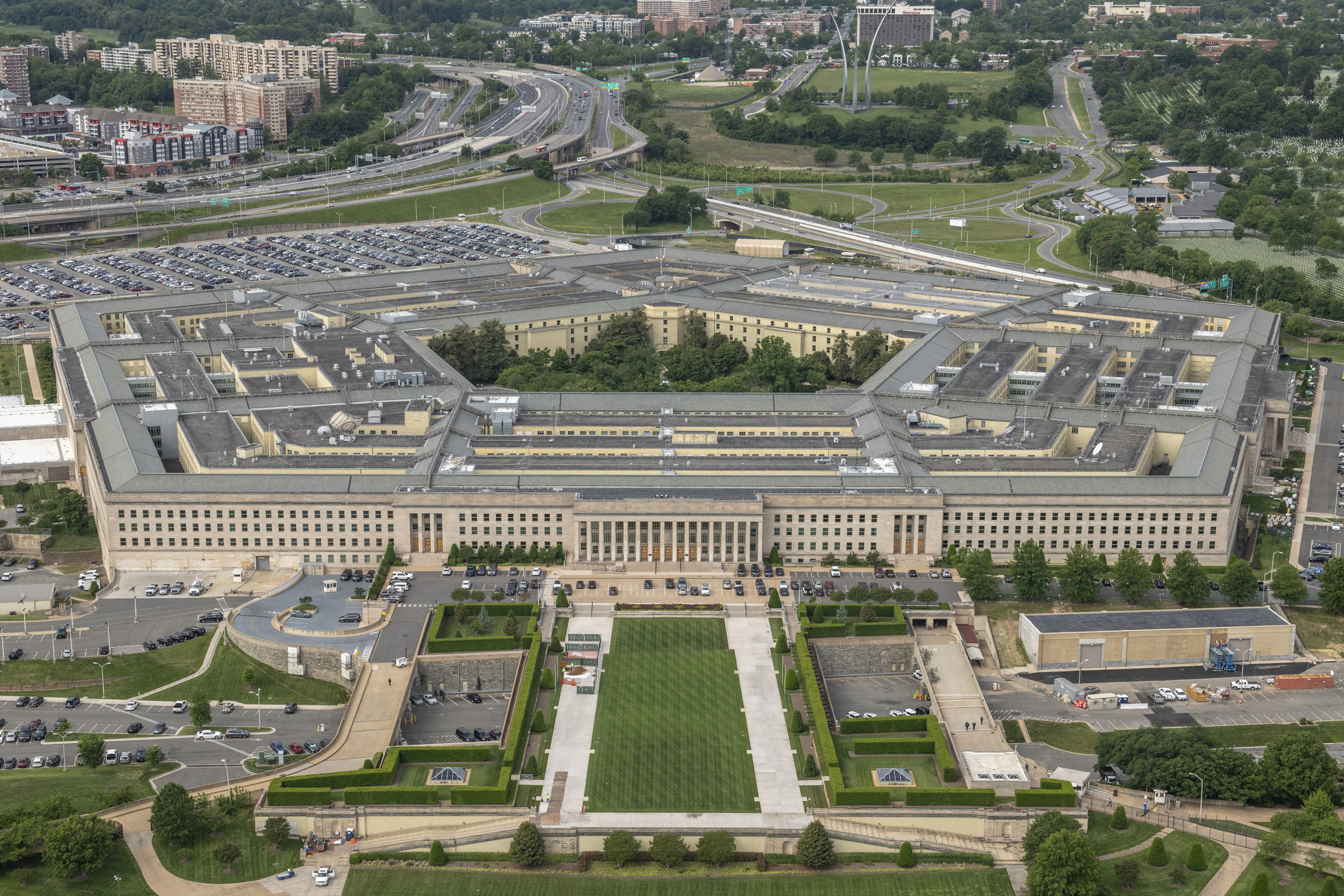
The Pentagon, meanwhile, has maintained that the military remains fully capable of meeting operational demands. “America’s military is the most powerful in the world and has everything it needs to execute at the time and place of the president’s choosing,” chief Pentagon spokesperson Sean Parnell said in a statement shared with Newsweek. “We have executed multiple successful operations across combatant commands while ensuring the U.S. military possesses a deep arsenal of capabilities to protect our people and our interests,” he added.
‘In war, you need bullets to win’
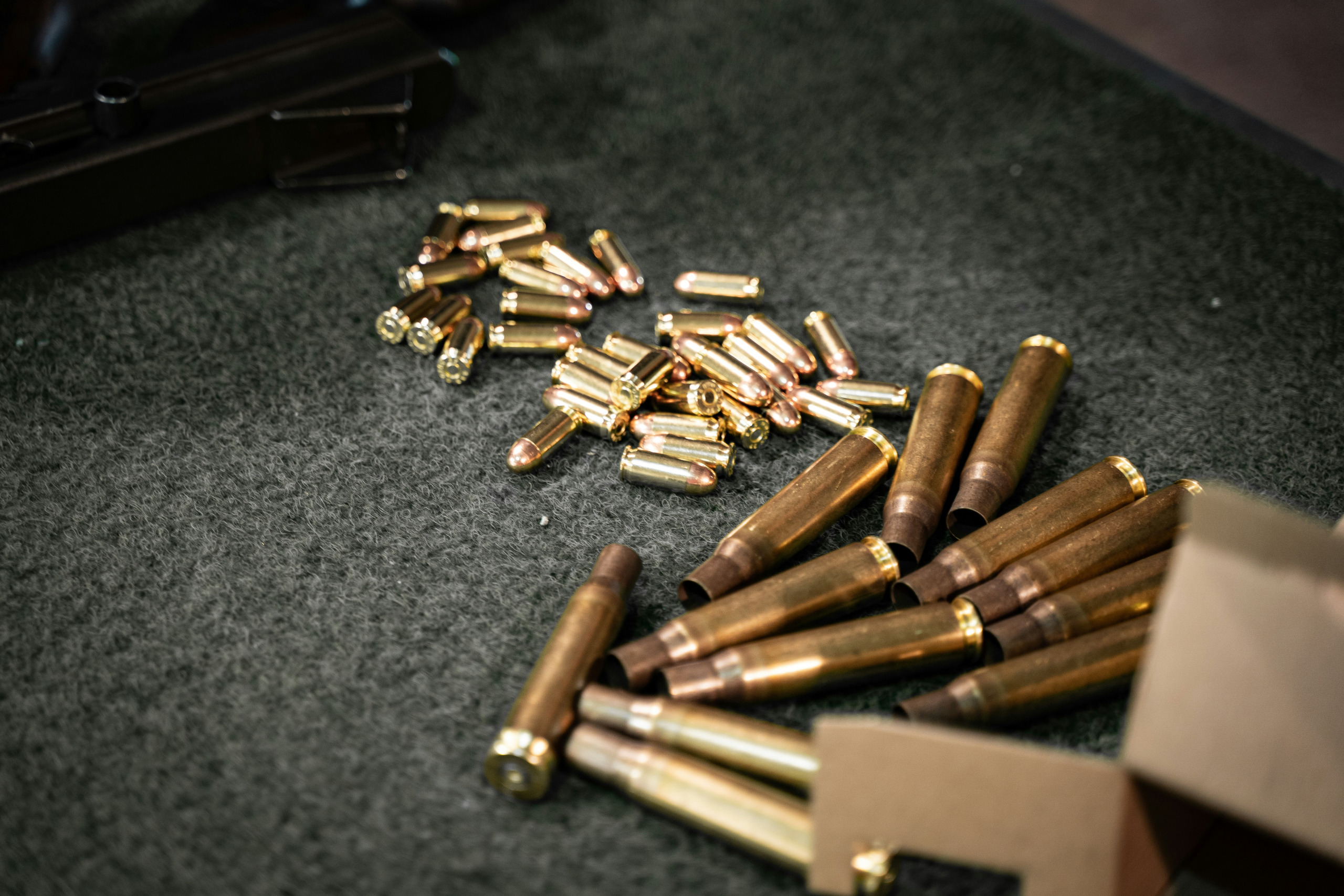
John Ferrari, a senior fellow at the American Enterprise Institute and former Office of Management and Budget official, said the underlying problem extends beyond current battlefield requirements. “The munition challenge is very serious,” Ferrari said. “Why does this remain critical? Because the U.S. Congress has yet to provide a single dollar of funding to rebuild the stockpile. … So we keep shooting and the stockpile keeps getting smaller; the Iranians are just keeping score at this point. The Iranian government is working furiously to rebuild their stocks of munitions and the U.S. is not; in war, you need bullets to win.”
Ferrari further argued that decades of planning based on short, limited conflicts left the U.S. ill-prepared for a prolonged war. He also said military leaders placed too much faith in expensive precision weapons rather than sustained industrial capacity.
Former Deputy Under Secretary of Defense for Policy Mara Karlin said the strategic picture is equally troubling. “The dwindling munitions stockpiles are worrisome, but the much bigger concern is that the U.S. military has been unable to achieve its strategic objective in this war despite months of a widespread and high-intensity campaign,” she told Newsweek. “The operational approach to date has failed to collapse the regime. … Instead, it has survived and grown more relevant.”