






The Department of Homeland Security has significantly reduced its estimate of noncitizens registered to vote in Nevada. Fewer than 200 probable noncitizen voters were identified after review, compared to the approximately 16,000 previously cited by the White House.
This discrepancy raises new questions about President Donald Trump’s claim that large numbers of noncitizens are on electoral rolls.
White House figure faces new questions
During a July 16 primetime address, President Trump stated that hundreds of thousands of noncitizens were registered to vote across the country. The administration later released DHS documents indicating that approximately 278,000 noncitizens had been identified as “registered to vote in federal elections.”
The documents estimated about 16,000 potential noncitizen voters in Nevada. However, Nevada officials disputed this figure, and The New York Times reported that DHS had identified only 185 “potential” noncitizen voters in the state. This information was disclosed during a recent private meeting between DHS and Nevada officials.
DHS explained the 16,000 figure
The department clarified that the larger figure did not represent confirmed noncitizen voters. A DHS spokesman told the Daily Mail, “The 185 are the individuals that had gone through manual review.”
He added, “The list shared with Nevada also included 6,218 other individuals with the highest number of matching attributes. This was at the request of [Nevada]. They wanted to start with a subset less than the 15,903.”
The spokesman also denied that DHS had provided incorrect figures.
DHS also released figures indicating that “there may be as many as” 190,832 noncitizens registered to vote in California, 35,152 in New Jersey, and 14,576 in Pennsylvania.
Officials are still reviewing thousands of names
During the virtual meeting with Nevada officials, DHS staff reportedly described the 16,000 figure as “the ceiling” for potential noncitizen voters, according to a recording obtained by the Times.
Emails reviewed by the outlet indicated that about 14,000 names still require further examination. The list DHS provided to Nevada was reportedly incomplete and did not include individual names. Nevada officials have since requested additional information from DHS.
Nevada warned against disenfranchisement
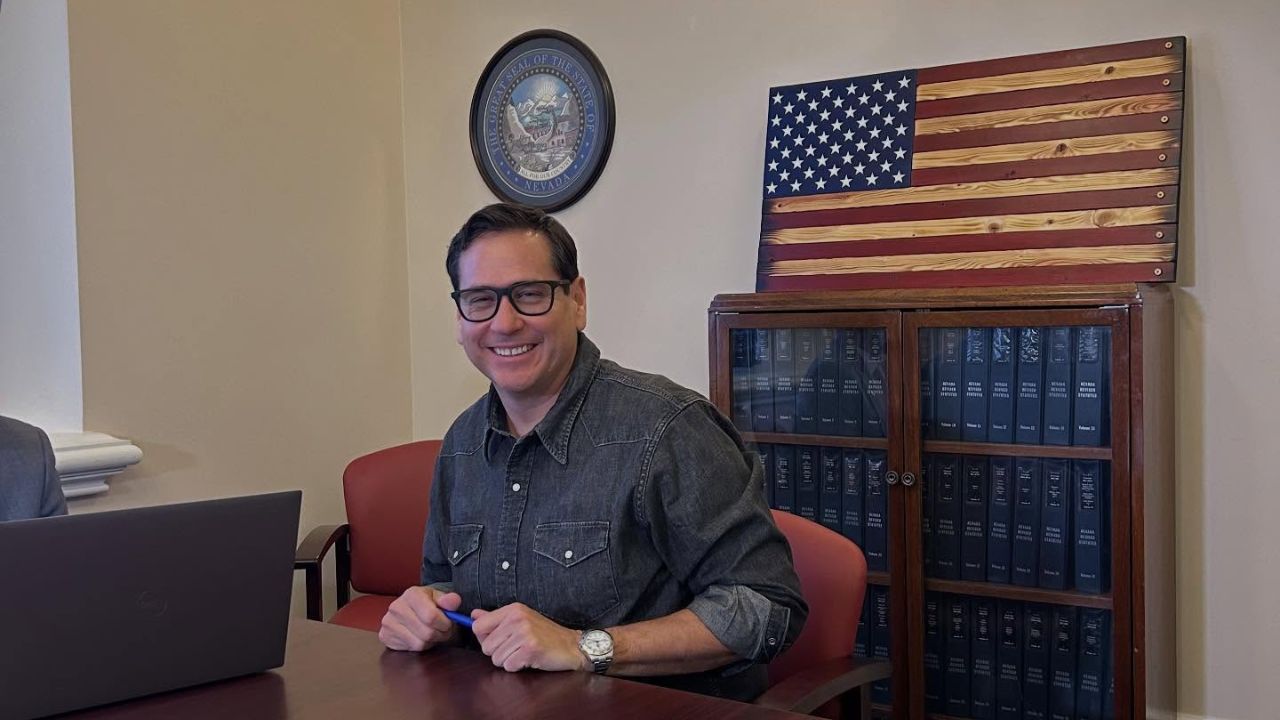
Nevada Secretary of State Cisco Aguilar, a Democrat, described the DHS figures as “preliminary.”
“There is not high enough confidence to be able to share the full data set with Nevada officials,” Aguilar said in a statement, adding, “The Secretary of State’s office will not risk disenfranchising eligible voters and ripping away their constitutional right to vote without the highest confidence of their ineligibility.”