









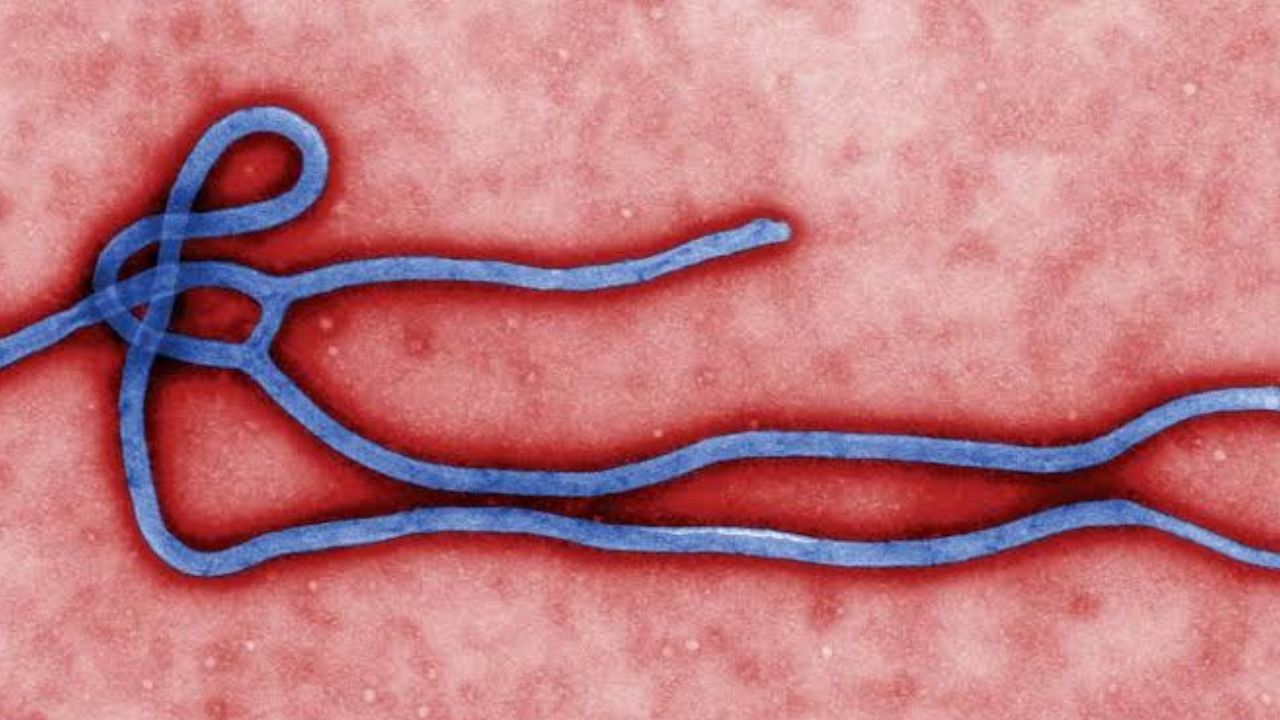
The rapidly expanding Ebola outbreak in the Democratic Republic of Congo has claimed more than 2,000 lives, making it the second-largest Ebola outbreak ever recorded, according to international health authorities. The outbreak, caused by the rare Bundibugyo strain, has spread across five provinces in Congo and has been linked to infections in neighboring Uganda. The unusually rapid spread, difficult operating environment and lack of an approved vaccine or specific treatment for this strain have intensified concerns about containment of the disease.
Ebola death toll in DRC crosses 2,000
According to figures available this week, Congo has recorded 4,449 confirmed Ebola cases and 2,061 deaths, with the outbreak affecting 53 health zones across five provinces. Reports say the principal affected areas are Ituri, North Kivu, South Kivu, Haut-Uele and Tshopo. While the outbreak was officially declared in May, genomic evidence indicates the virus might have been circulating since February.
Health officials now describe it as the fastest-growing Ebola outbreak recorded. According to the U.S. Centers for Disease Control and Prevention (CDC), the epidemic surpassed 1,000 confirmed cases within 40 days of response activation — far faster than Congo’s major 2018 Ebola outbreak, which took about 235 days to reach that milestone. It has been reported that conflict, population displacement, weak infrastructure and limited access to affected communities have complicated the response to the current outbreak.
Latest Ebola outbreak driven by Bundibugyo strain
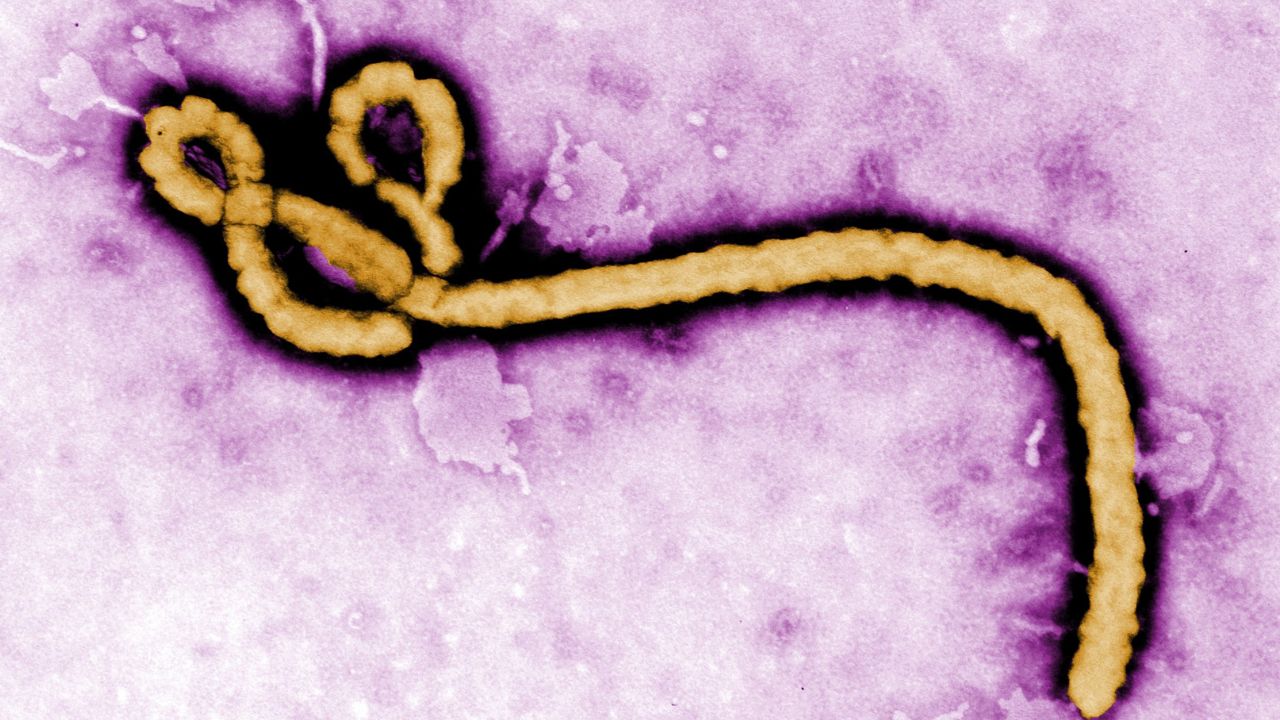
The outbreak is being driven by the Bundibugyo strain of the virus, a species of Ebola first identified in Uganda in 2007. The CDC issued a health alert in May after Congo and Uganda declared outbreaks, warning that conflict, weak health infrastructure and porous borders could complicate containment. Unlike some Ebola outbreaks, there is currently no approved vaccine or specific treatment targeting the Bundibugyo virus. Supportive medical care can improve patients’ chances of survival, making early diagnosis, isolation and contact tracing particularly important.
International response to the outbreak

Uganda recorded Ebola cases linked to travel from Congo, although its outbreak was declared over on July 28 after no additional infections were detected. The cross-border spread nevertheless illustrates the difficulty of containing the virus in a region with substantial population movement.
The WHO and CDC have been supporting surveillance, laboratory testing, infection prevention and contact tracing. Notably, American humanitarian workers, doctors and other personnel operating in affected areas face greater exposure than the general public, and the CDC reported that a U.S. citizen working for a humanitarian organization in Congo contracted Bundibugyo virus in July and was medically evacuated to Germany.
Risk to the U.S. remains low

Despite the scale of the African outbreak, the CDC says no cases connected to it have been confirmed in the U.S. and that the risk to the American public remains low. According to experts, Ebola does not spread through the air like influenza or COVID-19, and transmission generally requires direct contact with infected blood, bodily fluids or contaminated materials. Rapid identification, isolation and monitoring of contacts can substantially limit wider spread.