









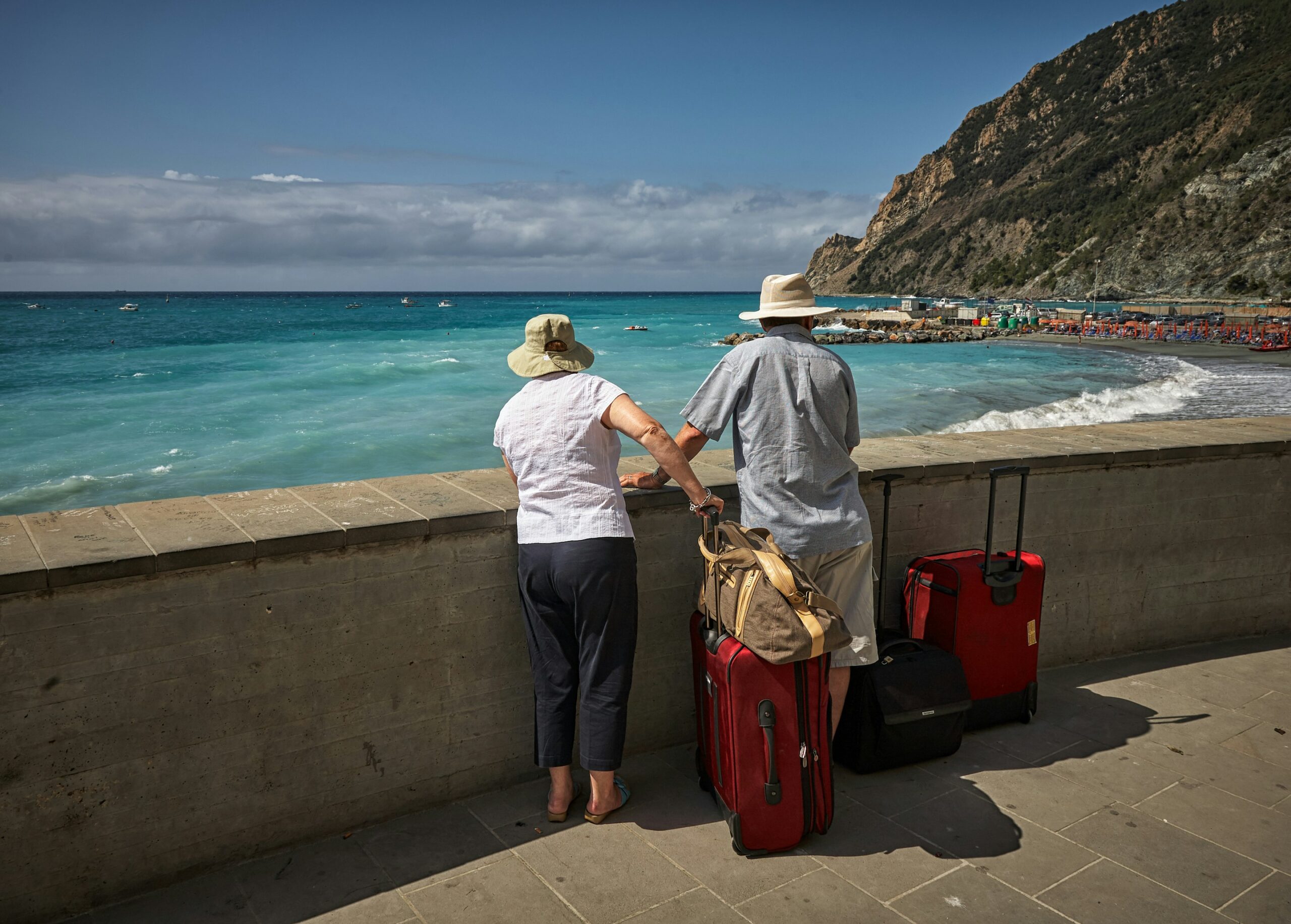
Travel insurance for seniors is designed to provide financial protection and peace of mind for older travelers who are planning domestic or international trips. While the core purpose of travel insurance remains the same across all age groups, policies for seniors often place greater emphasis on medical coverage, pre-existing conditions, and emergency assistance, reflecting the increased likelihood of health-related incidents during travel.
Understanding exactly what is covered is essential before purchasing a policy. Not all travel insurance plans are created equal, and coverage can vary significantly between providers, especially for travelers over certain age thresholds.
Emergency medical treatment overseas
One of the most important components of travel insurance for seniors is emergency medical coverage. This typically includes hospitalisation, doctor consultations, ambulance services, and emergency medical procedures required during the trip.
For seniors travelling overseas, particularly to countries with high healthcare costs such as the United States, Japan, or parts of Europe, this coverage is critical. Even minor medical issues can result in significant expenses without insurance.
Most policies cover unexpected illnesses or injuries that occur during the trip, ensuring access to appropriate medical care without immediate financial burden.
Medical evacuation and repatriation
Medical evacuation is a key feature of senior travel insurance and often one of the most valuable. If a traveller becomes seriously ill or injured in a remote location, they may need to be transported to a suitable medical facility or even returned to their home country.
These services can be extremely expensive, particularly if air ambulance or specialised transport is required. Travel insurance typically covers these costs when medically necessary and approved by the insurer.
Repatriation coverage may also include returning remains to the home country in the unfortunate event of death while travelling, providing important logistical and financial support for families.
Coverage for pre-existing medical conditions
Many seniors have pre-existing medical conditions, and this is a major consideration when choosing travel insurance. Some policies automatically exclude pre-existing conditions, while others may offer coverage under specific terms or after medical assessment.
Common conditions such as diabetes, heart disease, or high blood pressure may be covered if declared and approved by the insurer. However, coverage may come with additional premiums or limitations.
It is essential to disclose all medical history accurately when applying for travel insurance. Failure to do so can result in claims being denied.
Trip cancelation and interruption
Travel insurance for seniors often includes coverage for trip cancelation or interruption due to unforeseen circumstances. This may include sudden illness, injury, or family emergencies that prevent travel or require an early return home.
Covered expenses may include non-refundable flights, accommodation, and prepaid tours or cruises. This protection ensures that travelers do not lose significant financial investments due to unexpected changes in circumstances.
Given that many seniors book travel well in advance, this type of coverage provides valuable financial security.
Lost, stolen, or delayed luggage
Another standard feature of travel insurance is protection for personal belongings. This includes compensation for lost, stolen, or damaged luggage, as well as essential items such as clothing, electronics, and travel documents.
In some cases, policies also provide reimbursement for emergency purchases if luggage is delayed for a specified period. This can be particularly helpful when arriving in a foreign country without essential items.
For seniors, who may rely on specific medications or mobility aids, this coverage can be especially important.
Personal liability coverage
Personal liability is an often-overlooked but important part of travel insurance. It provides protection if a traveller accidentally causes injury to another person or damages property while overseas.
Legal costs and compensation claims can be substantial, particularly in countries with strict liability laws. Travel insurance helps cover these expenses, reducing the financial risk associated with accidental incidents.
This type of coverage provides reassurance for seniors engaging in various travel activities, including tours, cruises, or independent exploration.
Emergency assistance services
Many travel insurance policies for seniors include 24/7 emergency assistance services. These services can help with medical referrals, hospital admissions, language translation, lost document assistance, and coordination of emergency travel arrangements.
Having access to professional support at any time can be particularly valuable when travelling in unfamiliar environments. It ensures that help is available when it is needed most, regardless of time zone or location.
Coverage for cruise and tour disruptions
Seniors are often frequent cruise travelers, and many insurers offer optional or included cruise coverage. This can include protection for missed port departures, itinerary changes, or onboard medical emergencies.
Cruise insurance may also cover cabin confinement due to illness or quarantine, which has become increasingly relevant in recent years.
Similarly, guided tour disruptions or cancelations due to weather or operator issues may also be covered under comprehensive policies.
Optional extras and upgrades
Many insurers offer optional extras that can be added to standard travel insurance policies for seniors. These may include:
- Higher medical expense limits
- Increased baggage coverage
- Adventure activity coverage
- Rental vehicle excess reduction
- Coverage for valuable personal items
While optional, these additions can be useful depending on the nature of the trip and individual needs.
Age limits and premium considerations
Travel insurance premiums generally increase with age due to higher statistical risk of medical incidents. Some insurers also impose upper age limits or require additional medical assessments for older travelers.
It is important to compare policies carefully, as coverage levels and exclusions can vary significantly between providers. Seniors should focus not only on price but also on the extent of medical coverage and support services included.
Importance of declaring health conditions
Full disclosure of medical history is a critical requirement when purchasing travel insurance. Insurers assess risk based on declared conditions, and failure to disclose relevant health information can invalidate a policy.
While declaring pre-existing conditions may increase premiums, it ensures that claims are not rejected later. Transparency is essential to maintain valid and effective coverage.
Conclusion
Travel insurance for seniors provides comprehensive protection tailored to the unique needs of older travelers. From emergency medical treatment and evacuation to trip cancelation and luggage protection, it is designed to reduce financial risk and provide peace of mind throughout the journey.
While coverage varies between providers, the most important element is ensuring adequate medical protection and transparency regarding pre-existing conditions. Seniors should carefully review policy details to ensure they are fully covered for their specific travel plans.