
The State Department issued a worldwide travel alert for Americans abroad, warning that heightened tensions in the Middle East have increased the risk of attacks against U.S. citizens and interests overseas. The advisory, issued on Saturday, July 18, urged Americans, particularly those in the battle-torn region, to remain vigilant, monitor local security updates and follow instructions from U.S. embassies and consulates. The warning came as conflict between the U.S. and Iran intensified following the collapse of a month-old ceasefire agreement.
State Department warns Americans traveling abroad of unpredictable security environment
In its global advisory, the State Department cautioned that the conflict in the Middle East could escalate without warning. “Due to heightened tensions in the Middle East, the security environment remains complex with the potential for unforeseen escalation,” the department said.
While officials stopped short of ordering evacuations or imposing new travel restrictions, they warned that commercial flight cancelations and periodic airspace closures are likely to disrupt travel across the region as military operations continue. The advisory also noted and warned that U.S. diplomatic facilities, including some outside the Middle East, have been targeted.
Embassy alerts issued in Jordan and Bahrain


The worldwide advisory followed several country-specific security warnings. The U.S. embassy in Jordan warned of a “specific and credible threat” involving Aqaba’s airport and seaport, urging Americans to avoid both facilities. Jordanian authorities later clarified that neither location had been evacuated and that operations continued as normal.
Earlier in the week, the U.S. embassy in Bahrain warned that it had received information suggesting “Iran may seek to target unspecified locations in central Manama.” Americans were instructed to “remain vigilant, follow local authorities’ instructions and review the latest guidance from the U.S. embassy.” The embassy also advised people to seek shelter immediately, ideally in the lowest level of a building or another hardened structure, if explosions or warning sirens were heard.
Military escalation drives growing concern


The travel warning was issued at a time when hostilities continue to spread beyond Iran’s borders. Reuters reported that recent Iranian offensive operations appeared to target or affect Saudi Arabia, Kuwait, Bahrain and Jordan. Kuwaiti officials recently said they intercepted Iranian missiles and drones, while Saudi Arabia activated early warning systems in some areas and urged residents to seek shelter.
The latest escalation in the Iran war follows the collapse of a temporary Memorandum of Understanding between Washington and Tehran that had been intended to halt military operations and create space for negotiations over Iran’s nuclear program, sanctions relief and regional security.
Fresh U.S. strikes follow deadly Iranian attacks

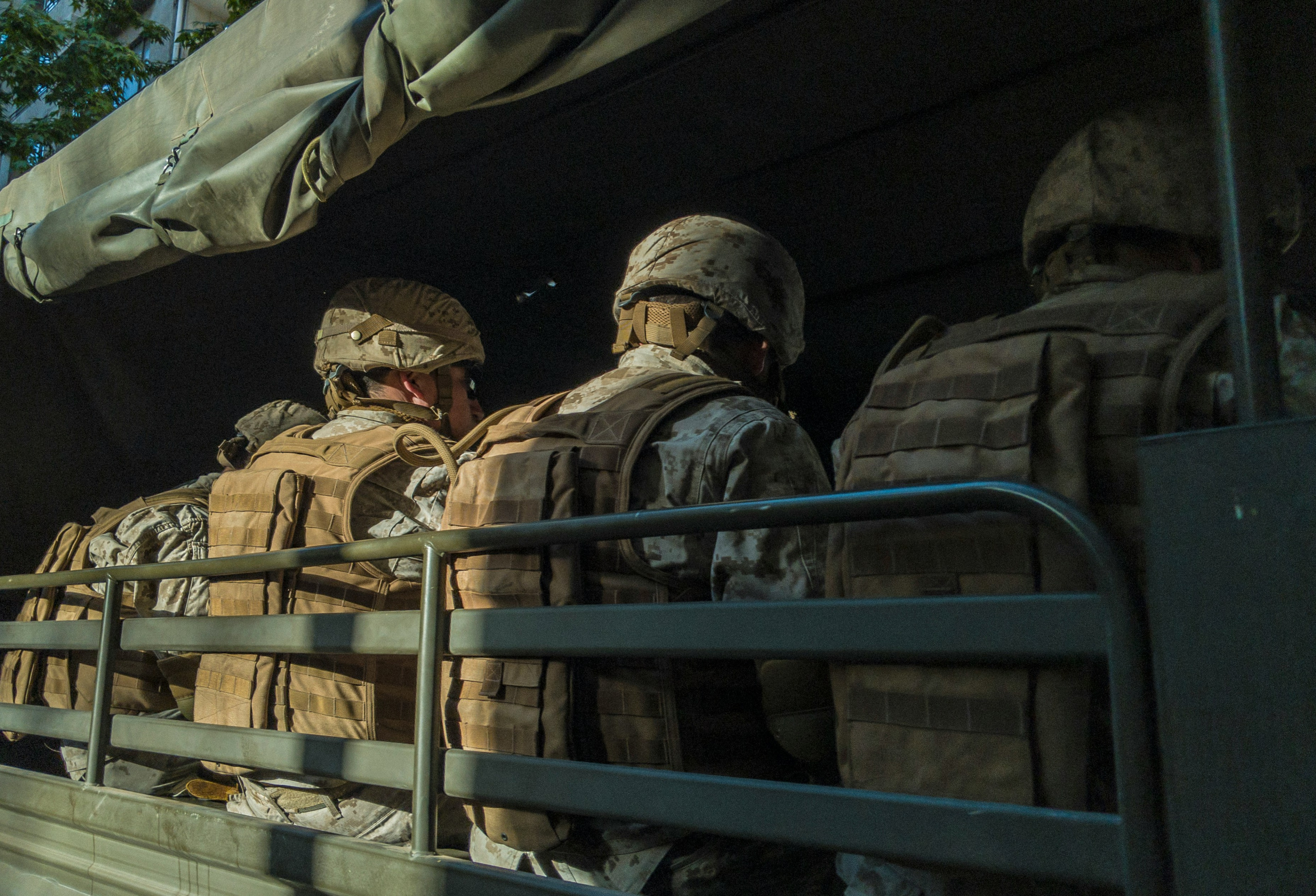
Hours after the worldwide alert was issued, U.S. Central Command launched another round of strikes targeting Iran’s Islamic Revolutionary Guard Corps (IRGC), saying the operation was aimed at punishing forces responsible for the deadly attack on American troops in Jordan and degrading Iran’s military capabilities. The Jordan attack killed two U.S. service members and injured four others, who have since been treated and discharged, according to military officials. Defense Secretary Pete Hegseth honored the fallen troops, writing on X, “Godspeed, heroes. Their sacrifice only stiffens our resolve.”
Iran’s Supreme Leader Ayatollah Mojtaba Khamenei responded to the U.S. strikes with a warning broadcast by Iranian state media. “Now that the American enemy is seeking to escalate the conflict thereby incurring even heavier costs and further humiliation, it should know that the noble nation of Iran and the Resistance Front have unforgettable lessons in store for it,” Khamenei said.