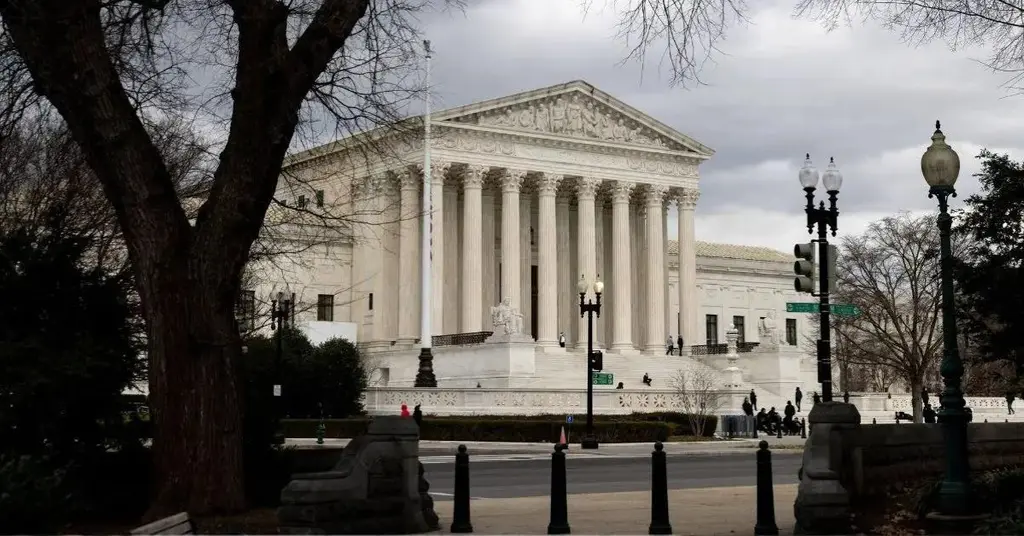
The U.S. Supreme Court dealt a significant setback to Republicans and President Donald Trump, ruling that states can continue to count certain mail-in ballots received after Election Day, preserving voting procedures used in much of the country.
Counting ballots after Election Day
In a narrow 5-4 decision favoring the state of Mississippi, the Court upheld laws allowing late-arriving mail ballots to be counted for up to five days after Election Day. The ruling overturned a previous decision by the Fifth Circuit Court of Appeals, which had held that federal law prohibited counting ballots after Election Day.
Justice Amy Coney Barrett authored the majority opinion, joined by Chief Justice John Roberts and the Court’s liberal justices. Barrett wrote, “Nothing in the federal Election Day statutes requires ballots to be received by Election Day.”
The ruling ensures that election systems in roughly 30 states that currently accept some mail-in ballots after Election Day will remain intact heading into future elections.
Barrett further argued that federal law governs when voters cast their ballots, rather than when election officials receive them, emphasizing that the statutes “say nothing about ballot receipt.” The Court framed the ruling as a limited interpretation of federal law, stressing that any stricter nationwide voting deadlines would need to come from Congress rather than the judiciary.
“The question today is not whether [an election-day receipt deadline] is a good or bad idea,” Barrett wrote, but whether “the idea has made its way into the United States Code.”
Donald Trump responds to the Supreme Court’s decision

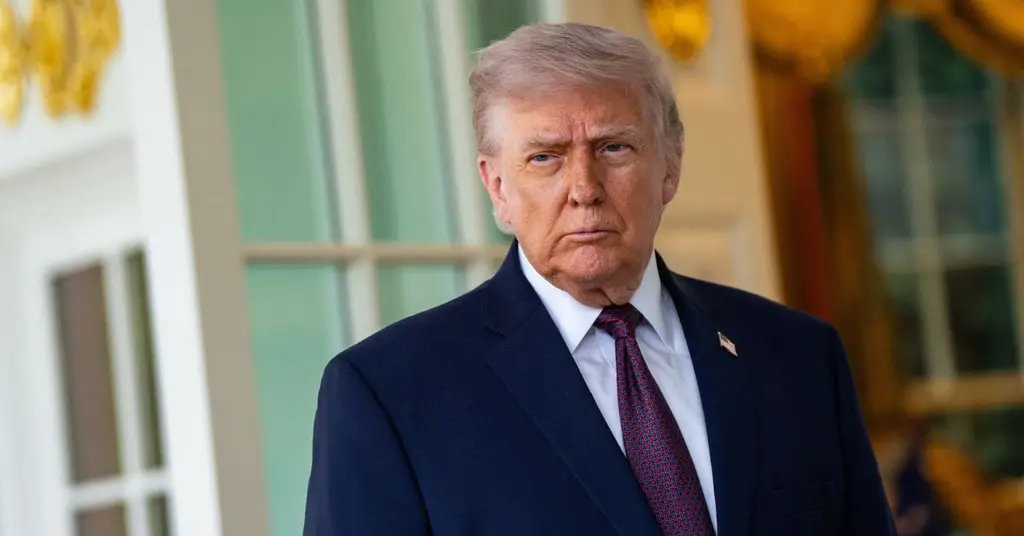
Following the ruling, Trump criticized the decision on Truth Social, arguing it made it “more important than ever” for Congress to pass his proposed voting reform legislation, the SAVE America Act.
Barrett also noted that concerns surrounding election integrity “are properly directed to legislatures, not courts,” signaling lawmakers will need to act if national ballot deadlines are to change.
Protecting election integrity
Election expert Mitchell Brown of Auburn University defended the ruling, telling Newsweek, “This is a sober response from the Court. It upholds 250 years of American tradition about state versus federal power in elections and makes sense.”
“Regardless of how people feel about access and integrity, there is nothing to suggest that the safeguards in place for protecting election integrity in mail ballot states somehow threaten American democracy. Mail-in states have different procedures that express the will and needs of their residents; that doesn’t make them corrupt or invalid. And ultimately, according to our constitution, states get to decide,” he explained.
In dissent, Justice Samuel Alito argued the ruling rewrites federal law. “If ballots received after Election Day are added … the electorate’s choice does not occur on Election Day,” he wrote, warning the decision “threatens to produce lamentable consequences.”