









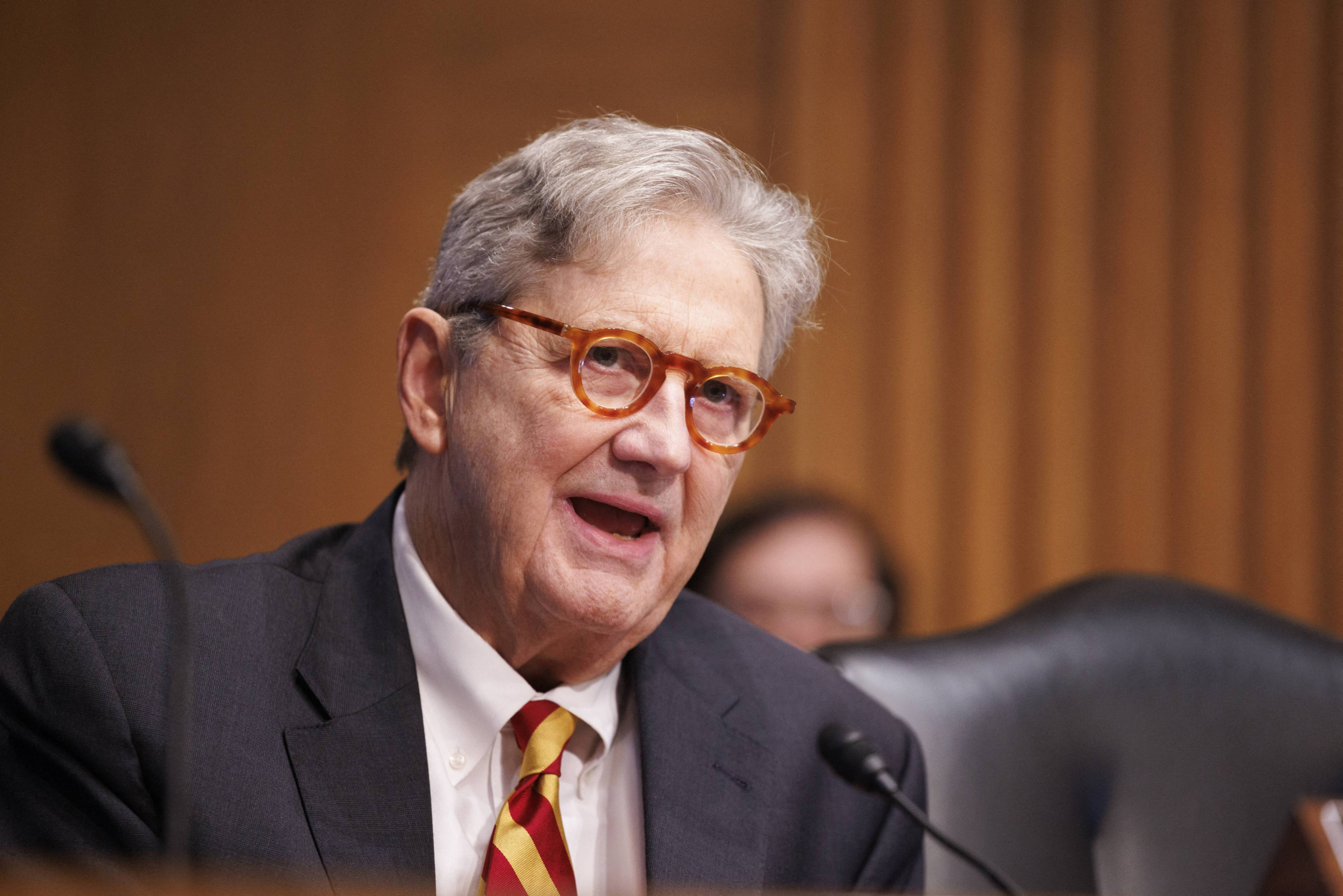
Republican Sen. John Kennedy has broken with the Trump administration on its newly announced civilian nuclear agreement with Saudi Arabia, warning that the timing sends the wrong message as the U.S. remains at war with Iran. His comments come as Congress prepares to review the agreement, which has already sparked bipartisan concerns over nuclear proliferation and confusion after President Donald Trump added a new condition requiring Saudi Arabia to normalize relations with Israel.
Sen. John Kennedy questions timing of nuclear deal
Speaking on CBS News’ Face the Nation on Sunday, July 26, Kennedy said he is not comfortable with the agreement in its current form. “No. Maybe someday, but not right now,” the Louisiana Republican said. Kennedy argued that negotiating a civilian nuclear agreement while simultaneously striking Iran over its nuclear ambitions creates conflicting signals. “We’re bombing a country to keep them from getting a nuclear weapon, but we’re signing a deal with another country,” he said. “I know it’s a commercial agreement — but that the world perceives as possibly someday leading to a nuclear weapon.”
While stressing he does not oppose civilian nuclear cooperation in principle, Kennedy said the timing is troubling. “The world’s on a hair trigger,” he said, pointing to heightened instability across the Middle East and beyond.
Civilian nuclear agreement between Saudi Arabia and U.S.
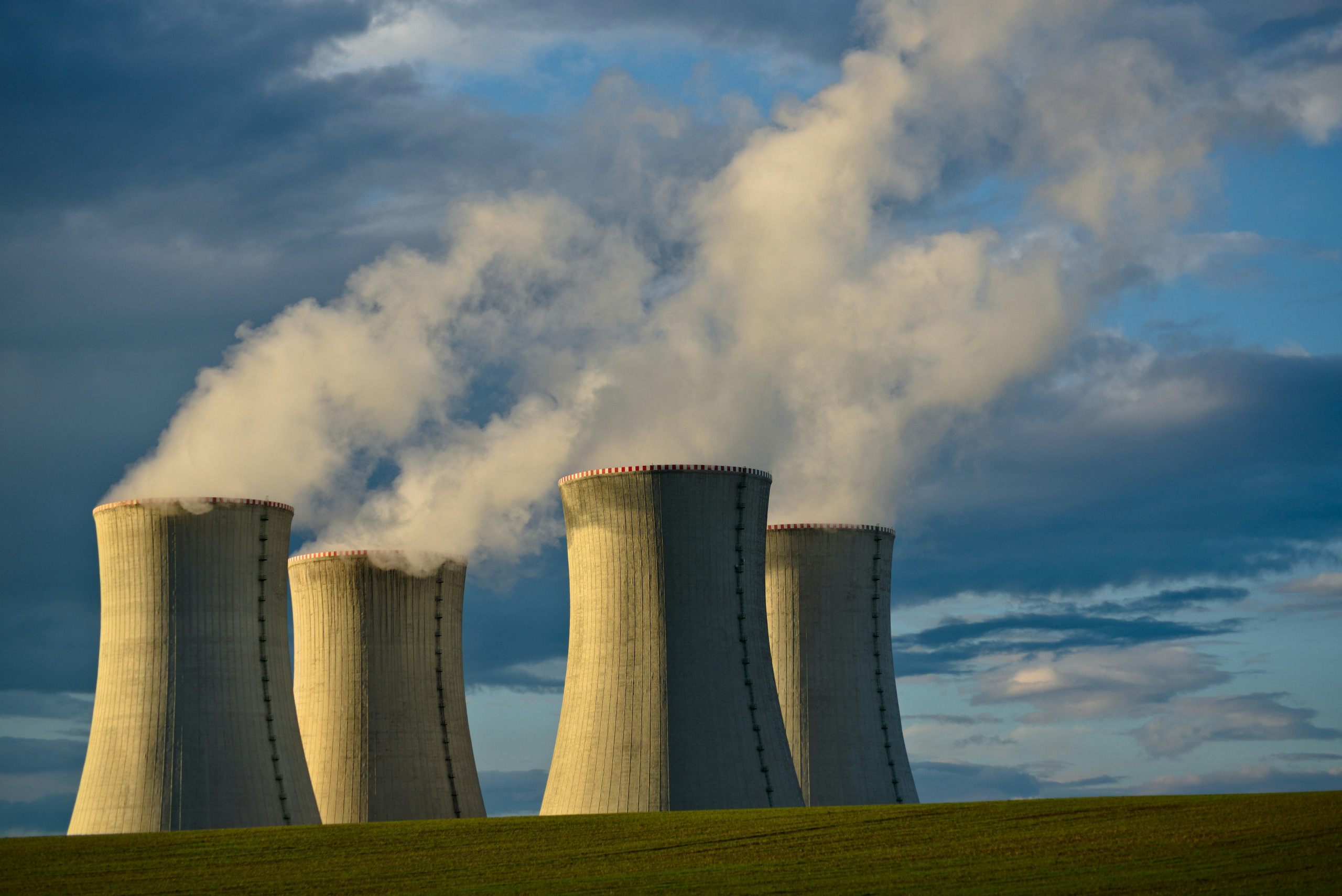
The deal, announced last week by the U.S. Department of Energy, establishes what officials describe as a “peaceful nuclear co-operation agreement” designed to expand American involvement in Saudi Arabia’s civilian nuclear sector.
Although the full text has not been released, U.S. media reports indicate Saudi Arabia could eventually be allowed to enrich uranium domestically after a joint study with the U.S. While enriched uranium can fuel nuclear power plants, it can also be used in developing nuclear weapons.
Energy Secretary Chris Wright said, “Rest assured, these agreements uphold the highest standards of nuclear safety and nonproliferation.” The department added that the deal advances “U.S. and regional security.”
Secretary of State Marco Rubio also rejected proliferation concerns, saying, “The U.S. is not going to reach any agreement with any country in the world that leads to the risk of proliferation.”
Donald Trump adds new condition to the agreement
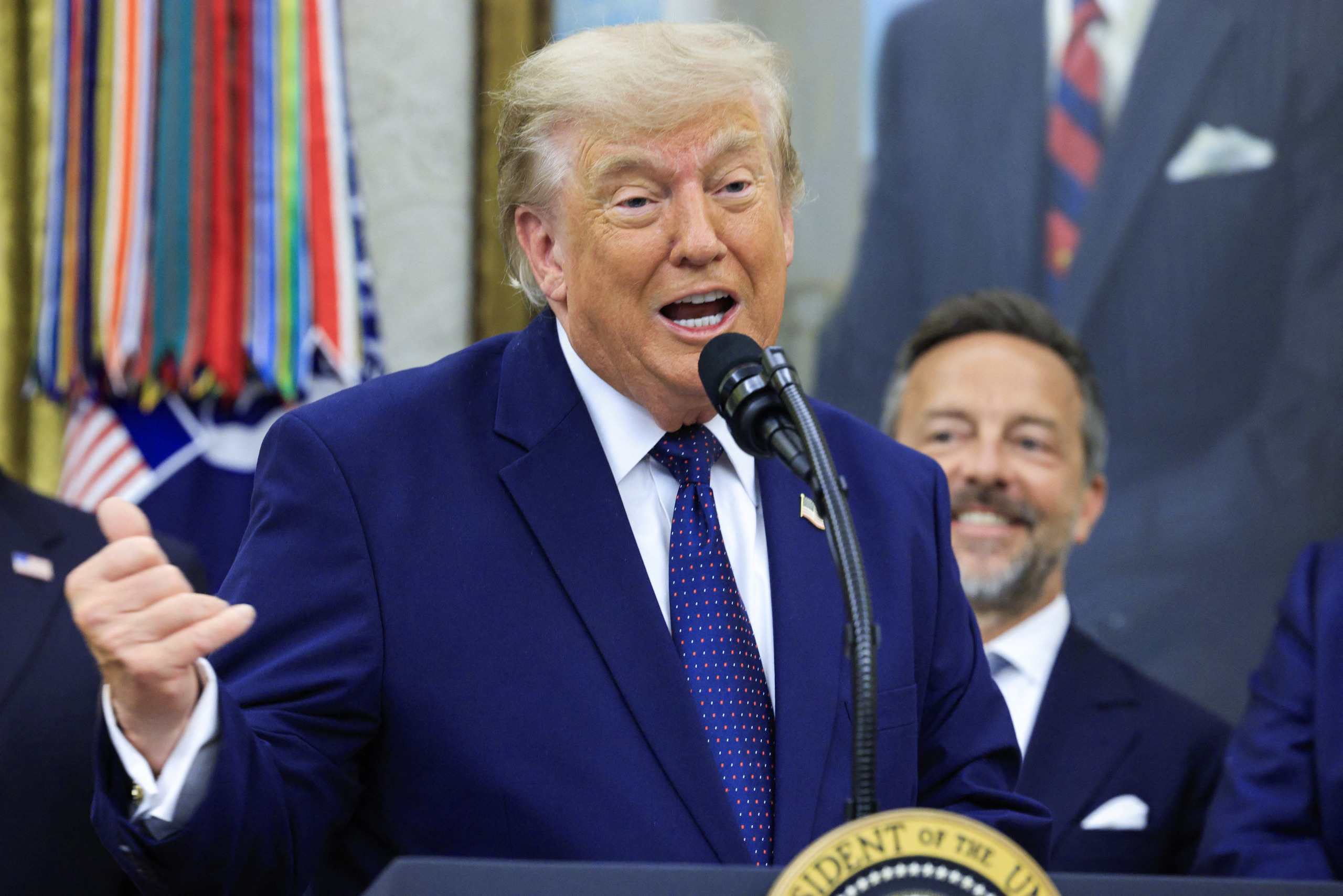
The agreement quickly became more complicated when Trump announced on Thursday, July 23, that it would proceed only if Saudi Arabia joins the Abraham Accords and normalizes relations with Israel.
“There will be no enrichment of material!” Trump wrote on Truth Social, adding that the agreement “is totally subject to Saudi Arabia joining the very respected and successful Abraham Accords.”
Saudi Arabia, meanwhile, has maintained that recognition of Israel depends on an irreversible path toward a Palestinian state.
CNN reported that Trump’s announcement surprised administration negotiators and Saudi officials alike. White House officials reportedly blamed the Energy Department for moving ahead with the announcement of the nuclear deal despite requests to delay it, arguing that the agreement was not yet finalized because required notifications to Congress had not been sent. Trump later told reporters that he and Wright “didn’t talk about” the agreement. “But it was always understood — and Chris knew and Saudi Arabia knew — that if they didn’t join the Abraham Accords… I’m not going to do the deal,” he claimed.
The White House insisted that the condition Trump imposed on the signing of the agreement does not constitute a policy shift. Spokesperson Taylor Rogers said, “President Trump’s energy team is fully aligned, and always has been: The civil nuclear deal being brokered between the United States and Saudi Arabia is contingent on Saudi Arabia joining the successful Abraham Accords, which will help bring true peace to the Middle East.”
The Energy Department also rejected reports of internal disagreements, with press secretary Ben Dietderich calling them “fake news” and saying the department had “closely coordinated” the negotiations and announcement with the White House and State Department, adding that the agreement and the Abraham Accords “achieve a common goal — delivering lasting peace through commerce, not conflict.”
Congress prepares to thoroughly review the nuclear agreement
The agreement now heads to Congress, where lawmakers from both parties have signaled opposition despite Republicans controlling both chambers. Massachusetts Democratic Sen. Edward Markey accused the Trump administration of “allowing Saudi Arabia, a belligerent and authoritarian nation, to develop nuclear weapons technologies while starting a war with Iran under the guise of preventing an Iranian nuclear bomb,” adding that the admin’s “hypocrisy is matched only by their recklessness.”
Some Israeli officials and nuclear experts have also warned that allowing Saudi uranium enrichment could create long-term proliferation risks, even if any weapons capability remains years away. Nuclear expert Rosemary Kelanic called the arrangement “quite shocking,” noting, “The U.S. has never done that before.”
Others, including former National Security Council official Bob McNally, counter-argued that the U.S. has a strong record of responsibly managing civilian nuclear partnerships.