









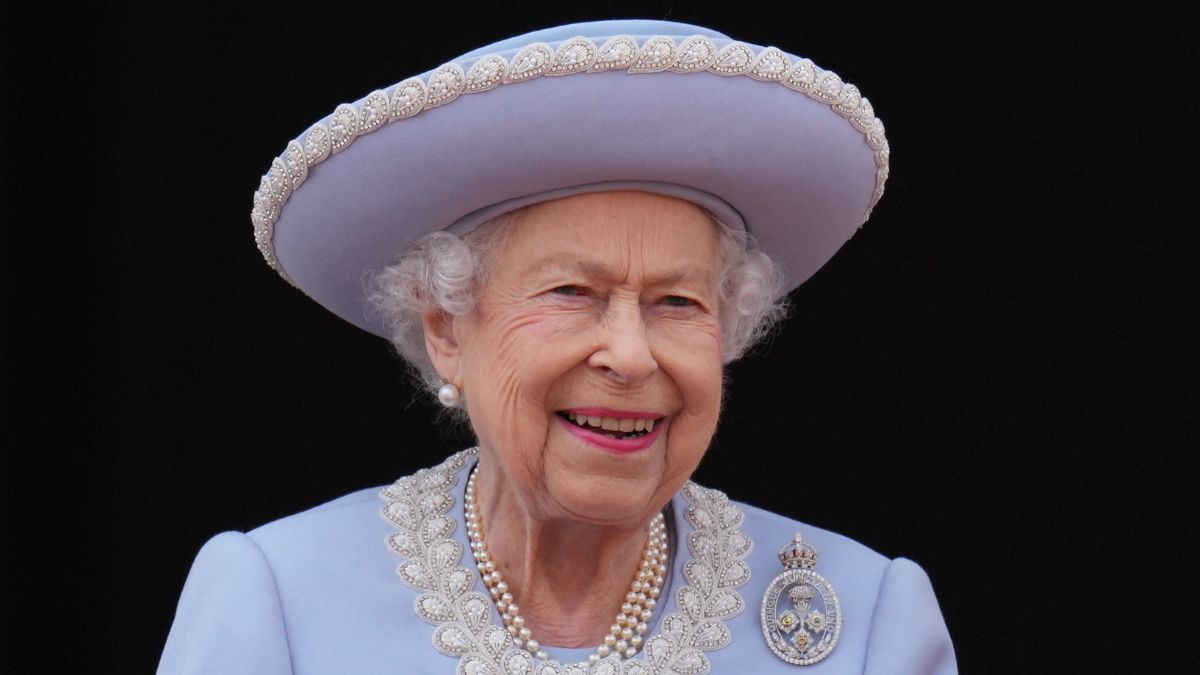
Before Queen Elizabeth II fell in love with Prince Philip, the Duke of Edinburgh, and launched one of the most enduring royal marriages in modern history, her mother reportedly had someone else in mind.
Philip was born a prince of Greece and Denmark before serving as a decorated Royal Navy officer.
Yet according to royal historian Hugo Vickers, author of the 2026 biography Queen Elizabeth II: A Personal History, the then-future monarch’s mother hoped her eldest daughter would marry Hugh, Earl of Euston — an English aristocrat and Grenadier Guard officer — rather than the man who eventually became her husband.
The Queen Mother’s preferred match
“The Queen Mother was very keen that [her daughter] should marry a Grenadier Guard,” Vickers told Fox News Digital. “And the Grenadier Guards [are] the most prestigious of all the British regiments. If you’re a Grenadier Guard, you are the top.”
Vickers said Elizabeth and her younger sister, Princess Margaret, spent much of World War II at Windsor Castle.
“There were quite a number of Grenadier Guards stationed [nearby],” Vickers shared. “And Princess Margaret used to say that the whole of the castle was surrounded by barbed wire, which wouldn’t have kept the Germans out, but certainly kept [them] in.
“With all of these Grenadier Guards around the place, The Queen Mother was very much hoping — she placed a number of Grenadier Guards, as it were, on Princess Elizabeth’s path. She would have loved her to marry Lord Euston. I think it was slightly in the cards at one point, and that could have happened.”
A future king in waiting?
According to Vickers’ book, politician Sir Henry “Chips” Channon documented the gossip circulating among royal and society circles at the time. In 1943, Channon believed Hugh was “reserved for a higher destiny — the very throne itself.”
Royal expert Richard Fitzwilliams told Fox News Digital that “the Queen Mother may well have preferred an English aristocrat.”
The book also cites Lady Brigid Guinness, who told Channon that while Hugh was courting her, she believed he would ultimately end up with Elizabeth because “she likes him.”
Vickers also noted that another development may have changed Hugh’s fortunes.
“My understanding is that Lord Mountbatten was instrumental in getting Earl Euston a fabulous job as ADC (aide-de-camp) to the Viceroy of India,” Vickers told Fox News Digital. “So Earl Euston went to India, which, of course, got him out of the way.” (Lord Louis Mountbatten, Philip’s uncle and Elizabeth’s second cousin, was an influential British naval commander.)
The royal family’s enthusiasm for the match reportedly faded over time. By October 1943, Channon wrote that Hugh had been dropped as a prospect because he was considered “too inert and énervé.”
Elizabeth only had eyes for Philip
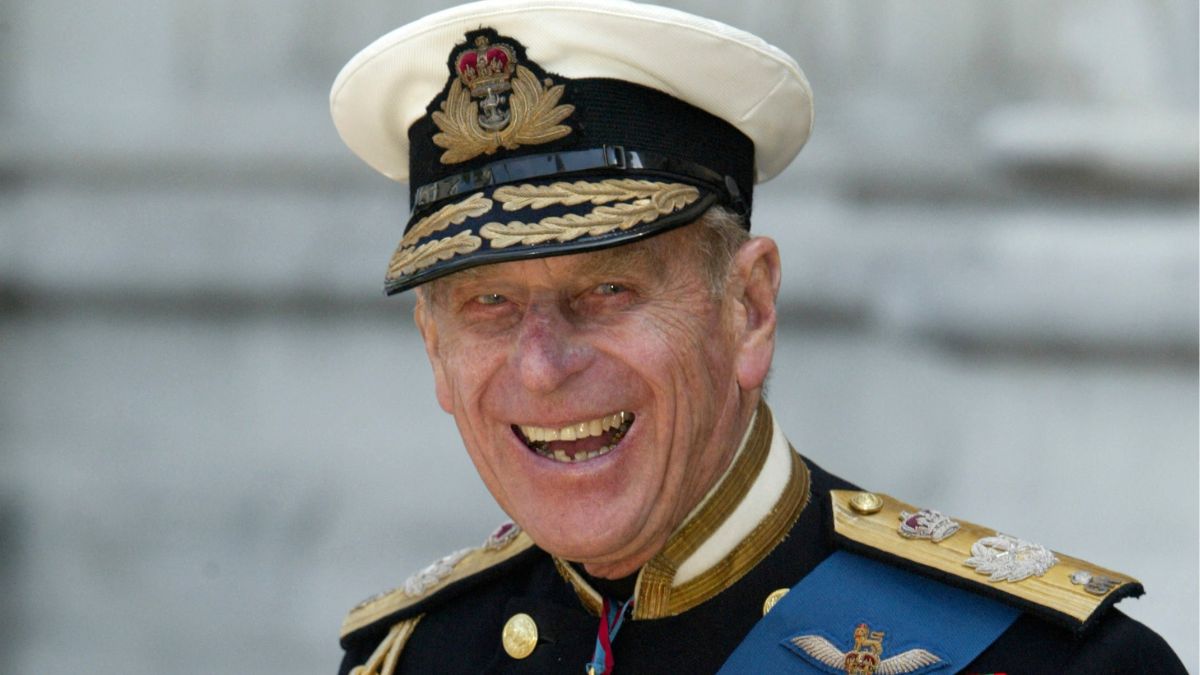
Despite her parents’ concerns, Elizabeth reportedly never wavered when it came to Philip.
“Thirteen-year-old Princess Elizabeth fell head over heels with 18-year-old Philip on that crucial fine weekend of July 1939,” British broadcaster and photographer Helena Chard told Fox News Digital. “She was so amazed by the handsome, athletic Philip. A smitten Elizabeth kept a photograph of Philip in her bedroom.
“Despite Princess Elizabeth’s heart set on Philip, her parents thought he was a brash, totally unsuitable match,” Chard added. “They discussed other potential suitors from high-society circles. One of these high-ranking British nobles was the Earl of Euston.”
Chard said Elizabeth refused to seriously consider other candidates.
“Elizabeth steadfastly refused to look at anyone else. If anyone was a possible match, it was Lord Porchester, nicknamed ‘Porchie’ [real name: Henry Herbert, 7th Earl of Carnarvon]. At least he had a passion for horse racing. However, their relationship was platonic.”
Royal resistance
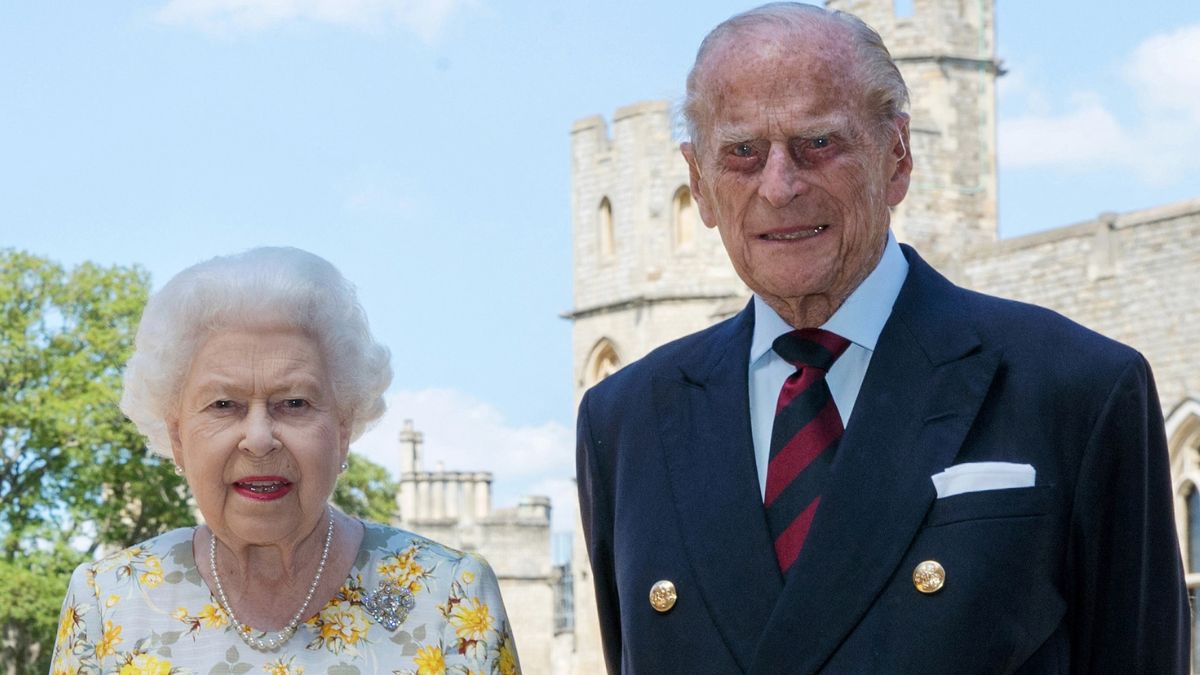
Philip’s path to the altar wasn’t easy.
Elizabeth’s father, King George VI, “was not enamored with Philip, who he saw as a rather brash young man,” royal broadcaster Ian Pelham Turner told Fox News Digital.
“But Elizabeth became infatuated with the dashing young blond. She kept a photograph of Philip, wearing a beard, in her boudoir without her parents’ permission. When it was obvious that Elizabeth was in love with Philip, the king took Elizabeth and her sister Margaret on a royal trip as a cooling-off period, to no avail. His daughter had made up her mind.”
Chard said Elizabeth’s feelings only intensified.
“Determined, Princess Elizabeth eventually convinced her father to allow her to marry Philip after a royal tour of South Africa,” Chard explained. “King George VI realized that ‘distance made the heart grow fonder.’ Princess Elizabeth, now 21, didn’t forget about Philip. She missed him more.”
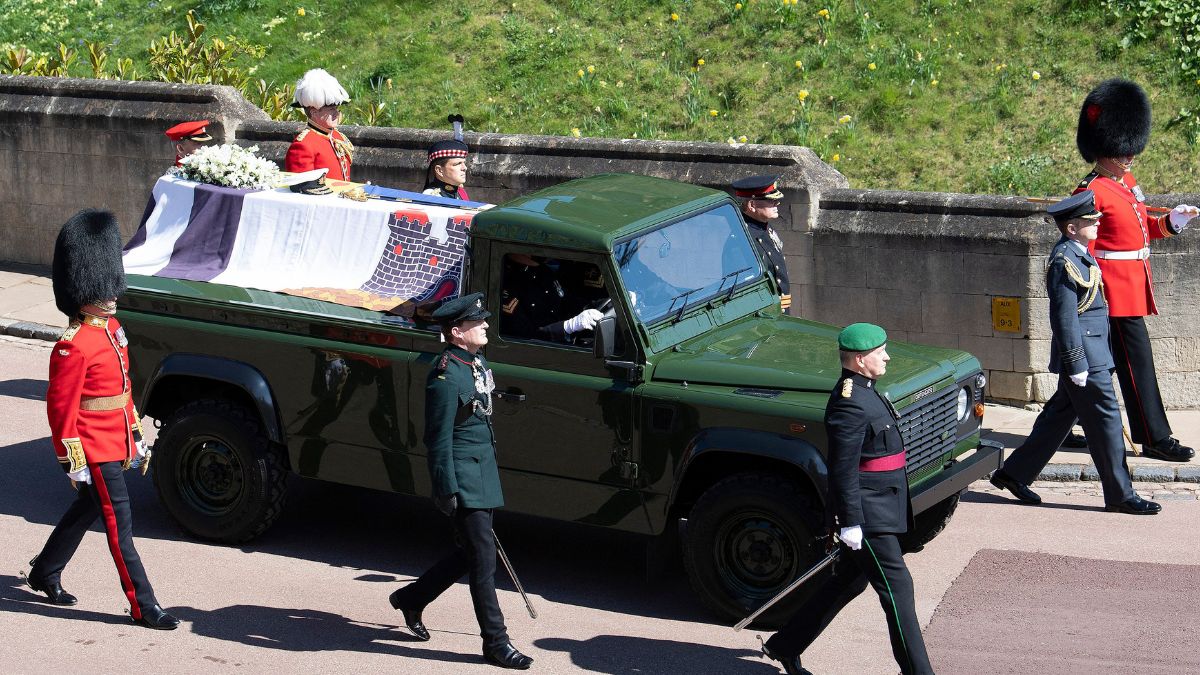
British royals expert Hilary Fordwich further noted that Philip faced skepticism from many within royal circles.
“What many now don’t know or realize is that Prince Philip initially wasn’t viewed as appropriate by many, particularly courtiers, who found him too foreign, too rough-edged, too ambitious and insufficiently English,” Fordwich told Fox News Digital.
Love wins out
Ultimately, Elizabeth got her way.
“Princess Elizabeth’s parents eventually gave their full blessing,” Chard said. “Their engagement was officially announced in July 1947, and their relationship of choice, not arrangement, was a huge success. Let’s face it, Philip was the most handsome of them all!”
Elizabeth and Philip married on November 20, 1947, beginning a partnership that would last more than seven decades.
“I think it was a much better choice that Queen Elizabeth married Prince Philip,” Vickers told Fox News Digital. “Prince Philip was a breath of fresh air. He had a very good naval career during the war. He was bursting with ideas. They feared he would be a modernizer. They were absolutely right.”
“I think the Duke of Grafton” — the title Hugh later inherited — “a charming and cultured man,” Vickers added, “would not have been a modernizer or a vibrant influence on how to move the House of Windsor forward.”
Fordwich agreed that Elizabeth’s determination revealed the strength of their bond.
“It was a testament of the queen’s deep feelings for him that she wouldn’t be dissuaded from him despite considerable pressure from all sides,” Fordwich said. “Their relationship was based on genuine love and mutual appreciation, [which was] rather unusual for royal marriages.”