President Donald Trump‘s repeated threats to destroy Iran‘s power plants and bridges have reignited debate over whether the United States is signaling potential war crimes, as fighting between Washington and Tehran continues despite a ceasefire framework signed in mid-June 2026.
In an interview with Fox News, Trump said the U.S. would intensify its military campaign before targeting critical infrastructure.
“We’re going to hit them very hard tomorrow night. We’re going to hit them very hard the night after and then next week it gets really bad for them, because next week comes the power plants. Next week comes the bridges,” Trump said. “We’re going to knock out all their power plants. We’re going to knock out all their bridges unless they get to the table and negotiate.”
His remarks came as U.S. Central Command carried out a fifth consecutive night of strikes on Iranian air defenses, missile and drone sites, coastal command centers, surveillance facilities and additional targets near the southern port of Bandar Abbas.
A pattern of escalating rhetoric stretching back to April
Trump has repeatedly threatened Iranian civilian infrastructure throughout the conflict.
He warned Iran to reopen the Strait of Hormuz or face sweeping attacks.
In a social media post, Trump wrote, “Tuesday will be power Plant Day and bridge day. All wrapped up in one in Iran. There will be nothing like it.”
Asked whether any targets would be off-limits, he replied, “We have a plan because of the power of our military. Every bridge in Iran will be decimated by 12 o’clock tomorrow night. Every power plant in Iran will be out of business, burning, exploding and never to be used again. I mean, complete demolition, by 12 o’clock.”
On April 7, Trump escalated the rhetoric further, writing on Truth Social, “A whole civilization will die tonight, never to be brought back again,” before adding, “I don’t want that to happen, but it probably will.”
The Associated Press later reported that Trump expanded the threat after Iran rejected a 45-day ceasefire proposal, telling reporters, “The entire country can be taken out in one night and that night might be tomorrow night.”
The rhetoric was followed by military action. The U.S. struck a bridge under construction in Karaj, northwest of Tehran, in early April. Trump later shared footage of the collapse on social media, promising “more to come.”
Legal experts and international bodies raise alarm

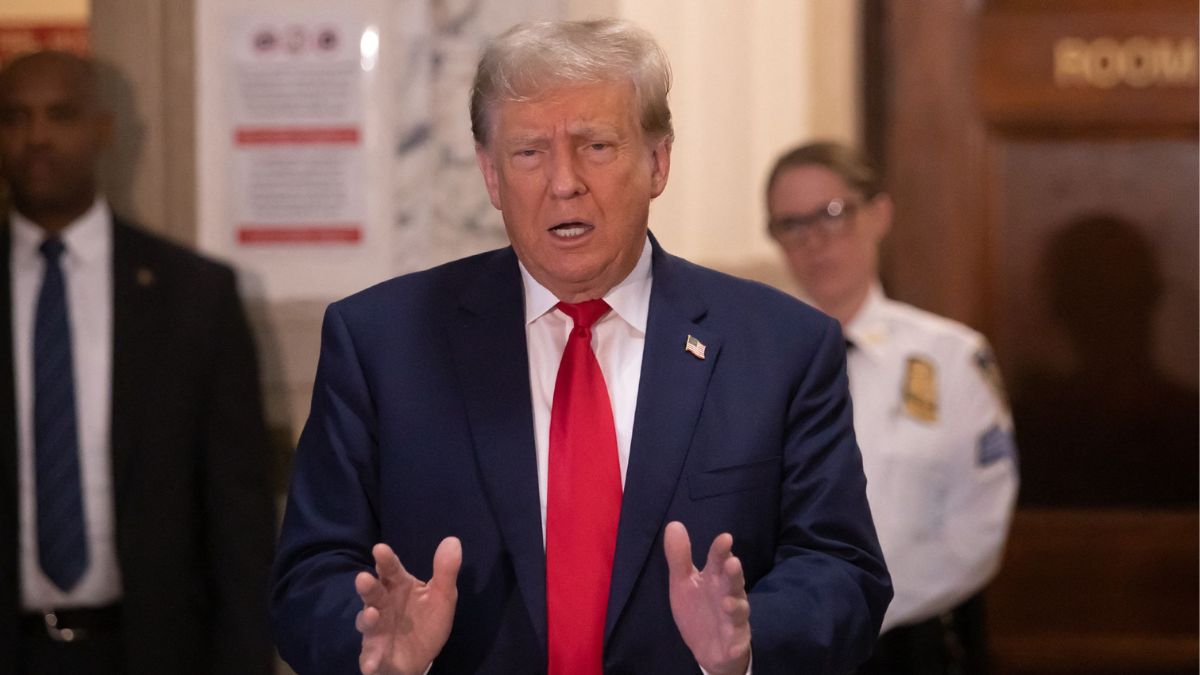
Trump’s April comments prompted swift criticism from legal scholars and international officials.
A spokesperson for United Nations Secretary-General António Guterres warned on April 6 that attacks on civilian infrastructure are prohibited under international law.
The Washington Post reported that Trump spent much of that day rejecting suggestions that bombing every bridge and power plant in Iran could constitute war crimes, arguing Iran’s leaders were “animals” who required a harsh response.
More than 100 international law experts later signed an open letter warning that U.S. strikes on Iran “raise serious concerns about violations of international humanitarian law, including potential war crimes.”
Legal experts told the Associated Press that the legality of such attacks would depend on whether the facilities were legitimate military objectives, whether force was proportional and whether civilian casualties were minimized.
Democratic lawmakers echoed those concerns. Sen. Chris Van Hollen wrote on X, “Once again, Trump is threatening war crimes against the Iranian people. All this could be avoided if Republicans in Congress joined us in voting to end this illegal and costly war.”
Trump administration officials rejected that characterization.
National security adviser Mike Waltz argued the United States has “a long history of taking down bridges, power plants and other infrastructure that is powering Iran’s military,” saying such facilities are legitimate military targets because they support Iran’s armed forces and “war economy.”
Trump’s own response to the war crimes question
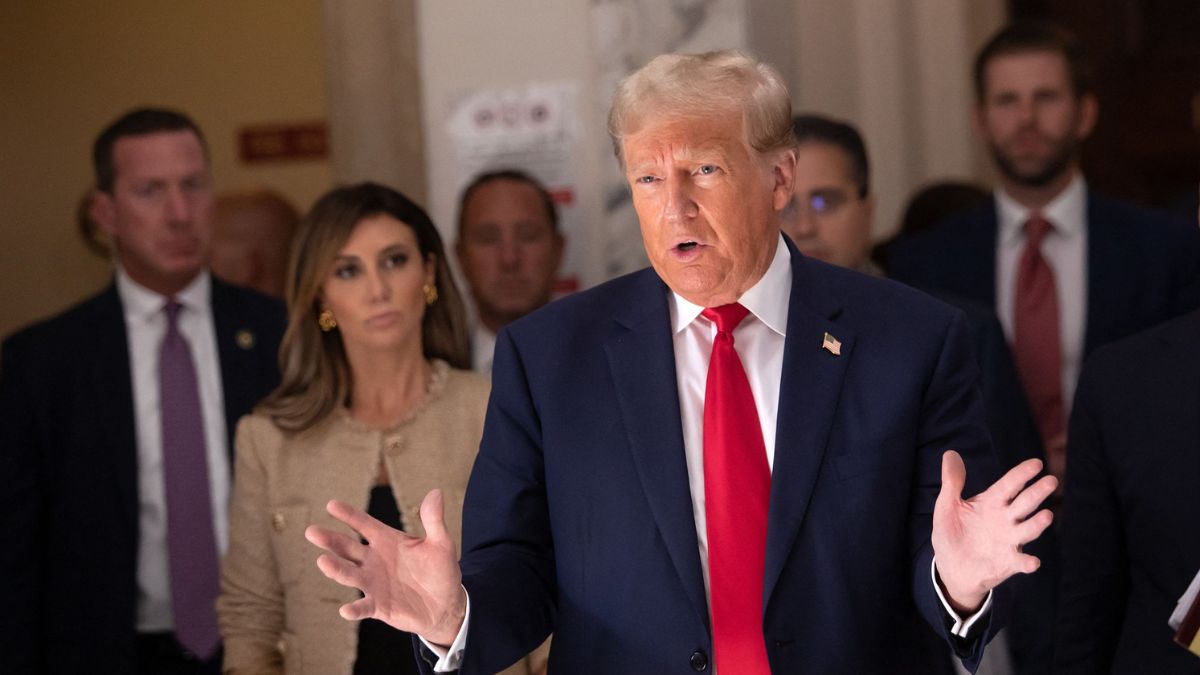
Trump has repeatedly dismissed concerns that his rhetoric could imply war crimes.
He has said he was “not at all” worried that targeting civilian infrastructure could violate international law, while the White House has maintained that U.S. operations “will always act within the confines of the law.”
In an interview with The New York Times in January 2026, Trump said, “I don’t need international law,” adding that the only limit on his authority is his “own morality.”
Defense Secretary Pete Hegseth has also faced scrutiny after dismissing the military’s senior uniformed legal advisers. Hegseth has previously described military lawyers as “roadblocks to orders that are given by a commander-in-chief.”
The legal framework at stake
International humanitarian law broadly prohibits deliberate attacks on civilians and civilian infrastructure, including protections contained in the Geneva Conventions and the United Nations Charter.
The Geneva Conventions prohibit attacks on facilities “indispensable to the survival of the civilian population.” Pentagon guidance likewise excludes civilians, medical and religious personnel and combatants who are hors de combat from lawful targeting. Cultural sites are also protected unless they qualify as military objectives.
Under U.S. military law, service members must obey lawful orders but are required to refuse unlawful ones. Carrying out an illegal order does not shield personnel from criminal liability.
Where the conflict stands now
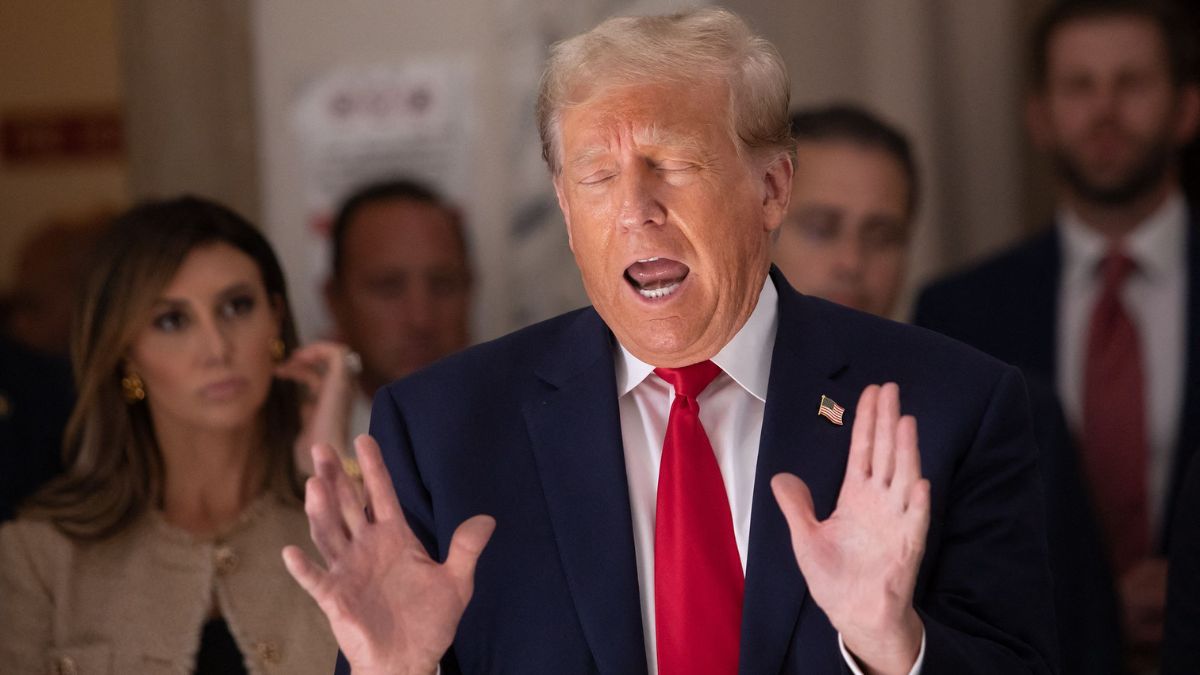
The renewed threats come as diplomacy continues to unravel.
During the week of July 6, Trump declared the June ceasefire memorandum “over” after Iranian attacks in the Strait of Hormuz prompted U.S. retaliation.
“Every time they hit us, we hit them 20,” Trump said, warning the military response would become “much worse” if Iran continued targeting U.S. interests.
Since then, hostilities have continued. The United Arab Emirates said Iranian missiles struck two of its tankers in Omani waters, killing one crew member, while Tehran claimed it had disabled two “rogue supertankers.”
By July 15, the U.S. military said it had completed a second wave of strikes aimed at degrading Iran’s ability to threaten shipping in the Strait of Hormuz, marking the fifth consecutive day of American attacks. CNN reported that Trump was also considering expanding the operation, while Iran’s Foreign Ministry said it had no plans to resume negotiations.
Diplomatic contacts have nevertheless continued. Iranian Foreign Minister Abbas Araghchi met his Omani counterpart on July 11 to discuss the Strait of Hormuz and CNN reported that Oman had drafted a preliminary proposal to manage maritime traffic.
Amid the fighting, Iran released an American woman detained since December 2024. Trump described the move as a gesture of goodwill and her attorney later identified her as Dena Karari.
The United States has also increased economic pressure on Tehran. The U.S. military said it disabled an empty oil tanker bound for Kharg Island, through which roughly 90 percent of Iran’s oil exports pass, as part of its broader blockade strategy.