The Trump administration did not ask the U.S. Supreme Court to rehear its decision striking down President Donald Trump‘s birthright citizenship restrictions and the deadline to do so has expired, according to court records reviewed by Newsweek.
Birthright citizenship grants U.S. citizenship to most people born in the country regardless of their parents’ immigration status. Trump sought to narrow that interpretation through an executive order signed on the first day of his second term.
Under Supreme Court Rule 44, parties generally have 25 days to seek rehearing unless the court grants an extension. That deadline expired on July 27, 2026. SCOTUSblog reporter Amy Howe first reported on July 28 that no petition had appeared on the court’s electronic docket.
Trump vowed immediate action
Trump said on Truth Social that he would seek reconsideration.
“I will be asking for a Rehearing by the United States Supreme Court, IMMEDIATELY,” Trump wrote, calling the ruling, “This miscarriage of justice will destroy America if they don’t change their absolutely insane decision.”
Despite that pledge, Politico senior legal affairs reporter Josh Gerstein noted after the deadline passed that neither the White House nor the Justice Department had commented.
“SOUND OF SILENCE: WH and Justice Department mum on Trump’s promise to demand SCOTUS rehear the birthright citizenship case. Deadline expired Monday. Is the petition in the mail?” Gerstein wrote, as reported by Mediaite.
Newsweek said it contacted the White House for comment outside business hours but had not received a response before publication.
The underlying ruling in Trump v. Barbara

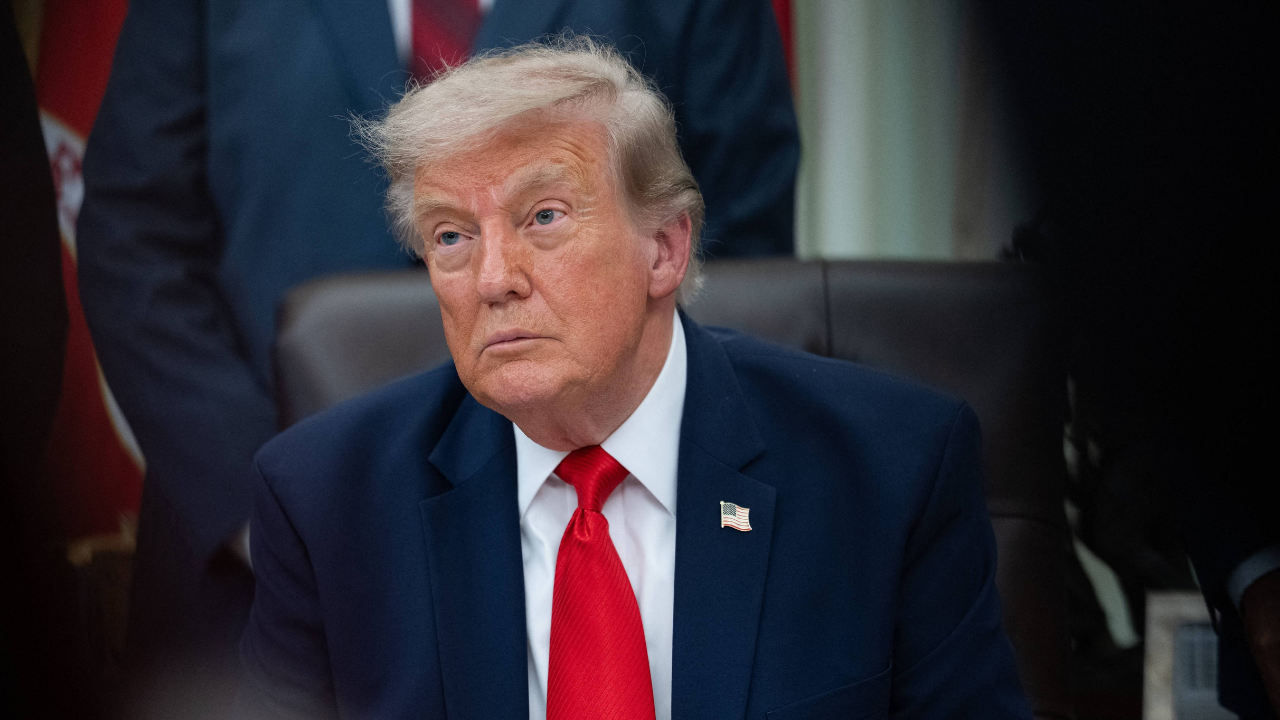
In Trump v. Barbara, the Supreme Court ruled 6-3 against Trump’s executive order limiting birthright citizenship.
Writing for the majority, Chief Justice John Roberts said children born in the United States “are citizens at birth,” reaffirming that the 14th Amendment extends citizenship to “every free-born person in this land.”
The amendment provides that “all persons born or naturalized in the United States and subject to the jurisdiction thereof, are citizens of the United States and of the State wherein they reside.” The court held that children born in the U.S. to parents who are unlawfully or temporarily present are citizens at birth.
The ruling preserved the framework established in United States v. Wong Kim Ark (1898), which recognized birthright citizenship for children born in the United States to immigrant parents.
Justices Clarence Thomas, Samuel Alito and Neil Gorsuch dissented. In a 39-page opinion, Alito wrote that the court “made a serious mistake” in upholding birthright citizenship.
Why the rehearing bid was always a long shot
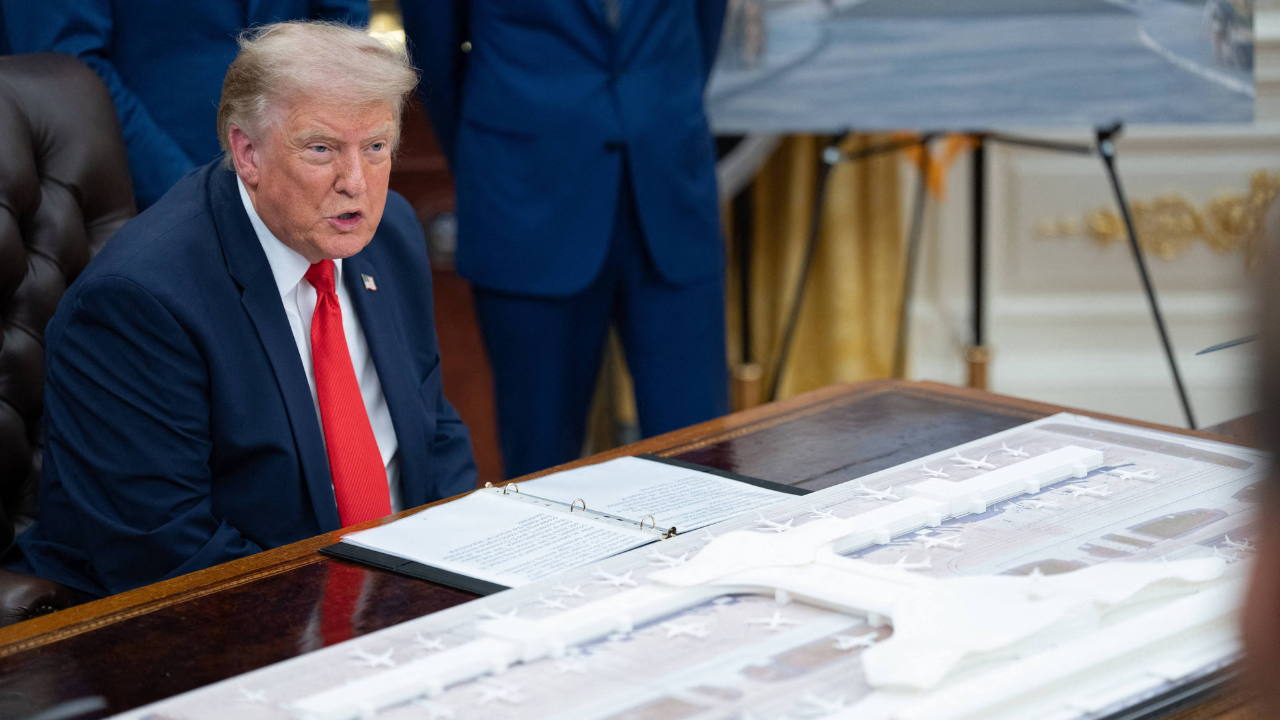
Even if Trump had filed on time, legal experts said the odds of success were remote.
Supreme Court rules require a majority to grant rehearing, including at least one justice who joined the majority opinion. According to Howe’s SCOTUSblog report, Trump would have needed five votes, including support from at least one — and likely two — of the justices who sided with Roberts or from Justice Brett Kavanaugh, who agreed with the outcome but not the majority’s reasoning.
Georgetown law professor Stephen Vladeck, quoted by Howe, noted that the Supreme Court has not granted rehearing in an argued case since 1965, underscoring how rarely such petitions succeed.
Congress moves to legislate around the ruling
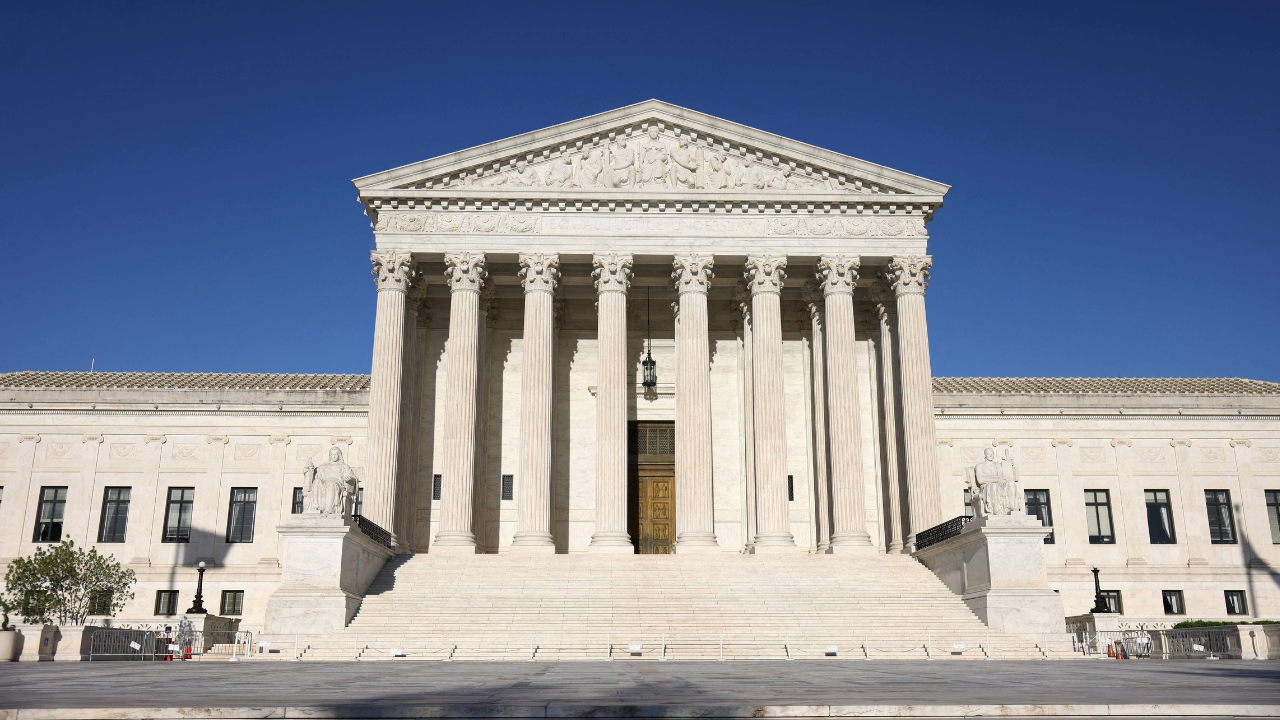
With the rehearing deadline now passed, Republican lawmakers have turned to legislation, following a path suggested by Kavanaugh’s concurring opinion, which concluded Trump’s order conflicted with federal statute rather than the Constitution.
Rep. John McGuire of Virginia introduced legislation to amend Section 301(a) of the Immigration and Nationality Act, which currently grants automatic citizenship at birth to anyone born in the United States and subject to its jurisdiction, according to The Hill.
Sen. Jim Banks of Indiana introduced separate legislation on July 13 to codify Trump’s executive order.
“The Supreme Court’s birthright citizenship decision was an unprecedented assault on American sovereignty and we must do whatever it takes to save our country,” Banks said in remarks reported by The Hill. “I’m leading the Citizenship Act to reverse the effects of this consequential ruling and ensure the millions of illegal aliens that invaded our country can’t continue to exploit our immigration system.”
Rep. Morgan Griffith of Virginia separately introduced the End Birthright Citizenship for Territories Act, which would limit automatic citizenship in Puerto Rico, Guam, the U.S. Virgin Islands and the Northern Mariana Islands to people born before January 1, 2027, unless at least one parent is a U.S. citizen or lawful permanent resident.
Advocacy groups call the ruling a major victory
The American Civil Liberties Union, which represented the plaintiffs alongside several partner organizations, welcomed the decision.
“In a major victory, the U.S. Supreme Court today ruled that President Donald Trump’s executive order seeking to restrict birthright citizenship is unconstitutional,” the organization said, adding that the ruling “reaffirms that birthright citizenship is guaranteed by the Constitution.”
How the case reached the Supreme Court
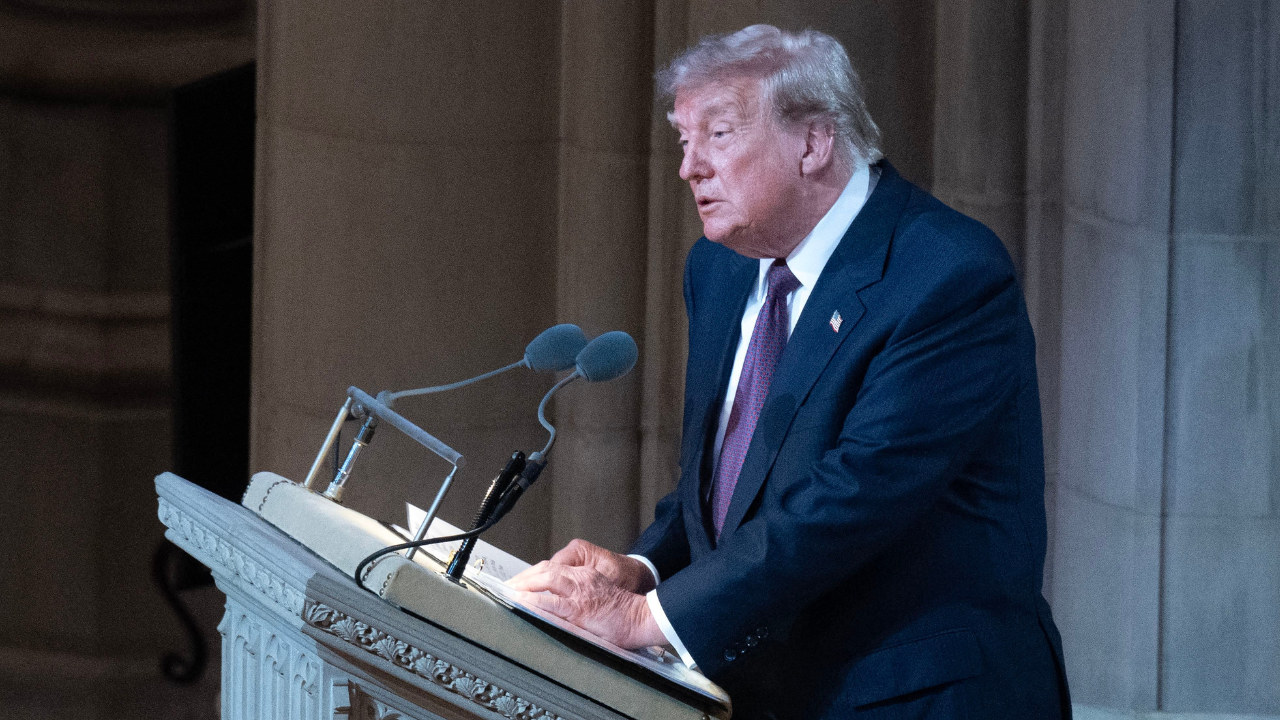
The dispute began with Trump’s executive order ending automatic citizenship for children born in the U.S. to undocumented immigrants or parents on temporary nonimmigrant visas.
Lower courts blocked the policy before the Supreme Court heard arguments on April 1, 2026. Trump attended the hearing in person, becoming the first sitting president to appear at oral arguments before the nation’s highest court.
During arguments, the justices questioned how the administration’s proposed “domicile” test could be applied at birth. Justice Amy Coney Barrett asked the solicitor general how officials could determine whether a parent intended to remain in the United States. The solicitor general replied that the order instead relied on “an objectively verifiable thing, which is immigration status.”
With the rehearing deadline expired and no petition filed, the Supreme Court’s June 30 ruling stands as the final judgment in the case. The broader political debate over birthright citizenship, however, is expected to continue through congressional legislation and potential future constitutional proposals.