









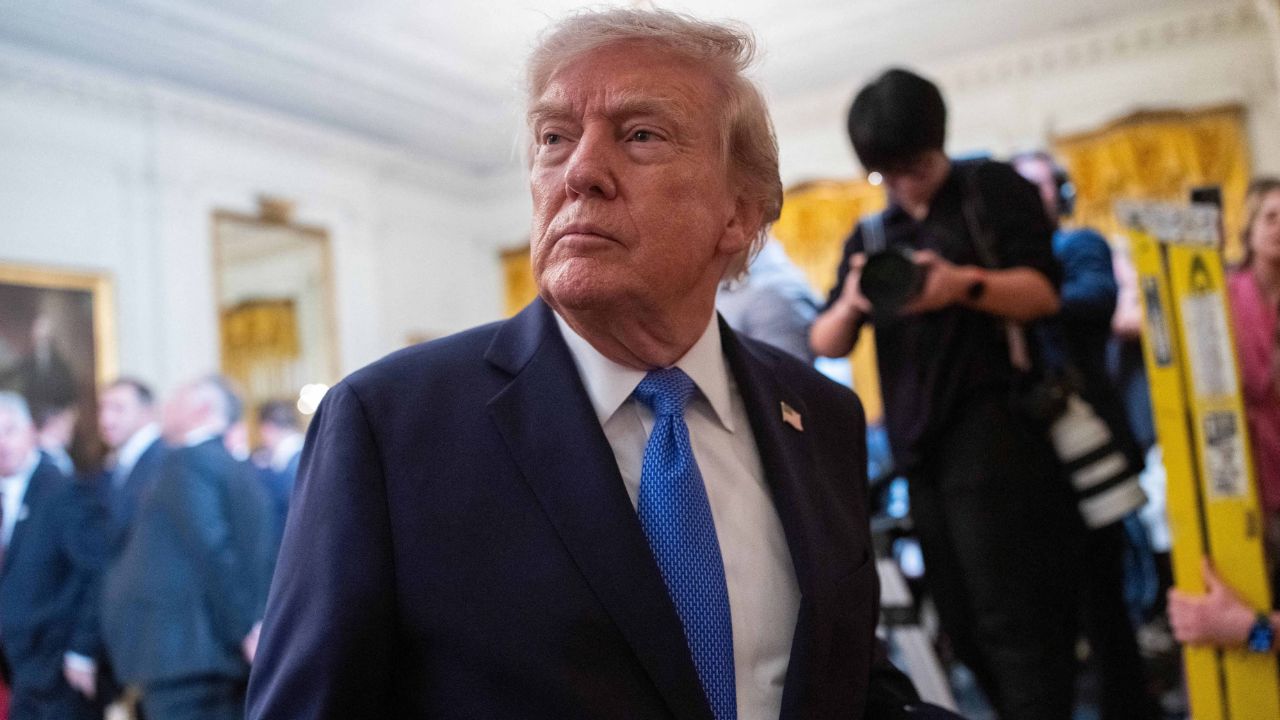
President Donald Trump sharply criticized a federal appeals court ruling blocking construction of his planned White House ballroom, calling the decision politically motivated and vowing to take the legal fight to the Supreme Court.
Donald Trump targets judges
In a Truth Social post, Trump accused the judges who ruled against the project of threatening U.S. security, arguing the proposed ballroom is part of a broader effort to strengthen protections at the White House complex.
“Two [Barack] Obama and [Joe] Biden Appellate Court Judges just voted against the desperately needed Military Center, required for the National Security of Washington, D.C., and our Country, itself,” Trump wrote.
He also highlighted the dissenting opinion of Judge Neomi Rao, who argued the lower court improperly halted construction. Trump quoted Rao as calling the ruling “a blatant abuse of discretion” and saying that “construction should be allowed to continue.”
The U.S. Court of Appeals sided with historic preservation advocates who challenged the construction plans, ruling that work on the ballroom cannot proceed without authorization from Congress.
The appeals court’s ruling
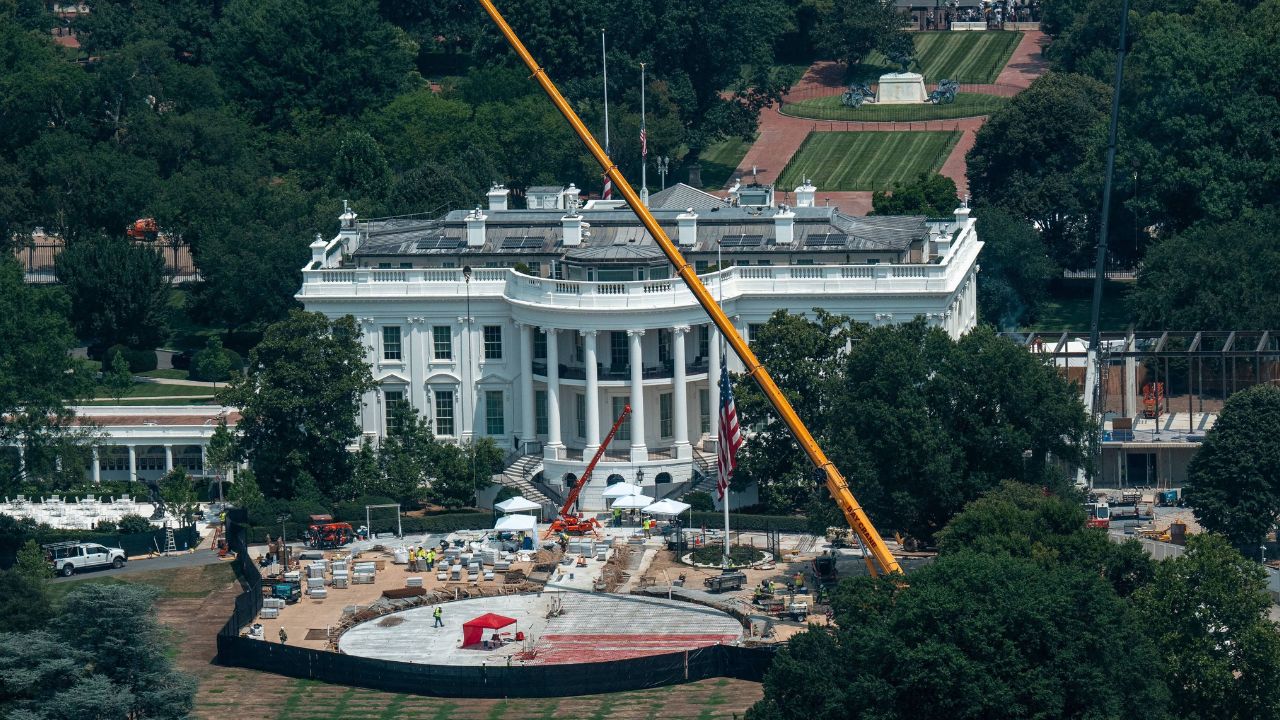
The court temporarily stayed its ruling for two weeks, giving the Trump administration time to ask the Supreme Court to review the case.
“Whether or not a massive ballroom should be constructed is for Congress to decide and is not a matter for executive self-help,” the appeals court said.
The judges stressed that their decision does not address the merits of building the ballroom itself. Instead, they said the dispute concerns constitutional and legal requirements surrounding alterations to federal property.
The ruling does not permanently prevent construction but blocks work from continuing during the litigation without congressional authorization.
Trump said he will be “immediately appealing” the decision, potentially sending the dispute to the conservative-majority Supreme Court.
Separation-of-powers dispute
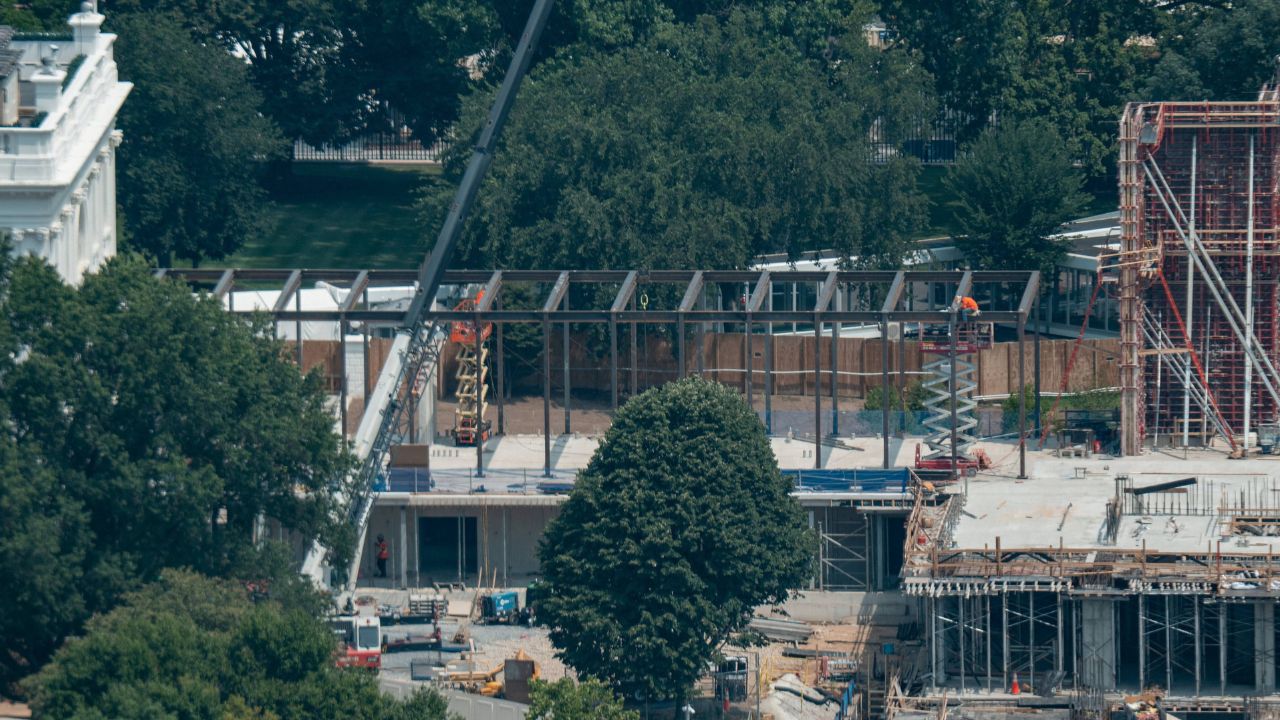
The legal battle could become a significant separation-of-powers dispute during Trump’s second term. If the Supreme Court agrees to hear the case, the justices could determine whether a president has authority to undertake a major White House construction project without congressional approval.
The outcome could also have implications for future presidents and the legal standards governing alterations to federally protected historic properties.
The controversy follows months of political and legal disputes over Trump’s proposal to replace the East Wing with a roughly 90,000-square-foot ballroom capable of accommodating nearly 1,000 guests.
Trump has defended the project as a long-overdue modernization of the White House, saying it would provide a secure venue for state dinners, diplomatic gatherings and major presidential ceremonies.
Plans also call for extensive security infrastructure, including bomb shelters, hardened communications facilities and missile and drone-resistant construction.