
A federal judge has ordered the Department of Justice (DOJ) to either release more unredacted records from the Jeffrey Epstein investigation or explain why the remaining redactions are legally justified. The order comes as convicted Epstein associate Ghislaine Maxwell is arguing that documents disclosed this year under the Epstein Files Transparency Act contain newly discovered evidence that undermines her conviction.
Judge demands explanation for redactions
U.S. District Judge Emmet Sullivan issued the order on Thursday, June 25, directing acting Attorney General Todd Blanche to either explain why the DOJ has continued to withhold portions of the investigative records or remove the redactions. The judge also ordered the government to provide a list of every redaction made to the Epstein files.
According to reports, Sullivan’s order stems from a lawsuit filed in April by independent journalist Katie Phang, who argued that the redactions constitute a “brazen, shocking and ongoing violation” of the federal law requiring the release of Epstein-related records.
Earlier this year, the DOJ released more than 3 million pages of records pertaining to the disgraced financier under the Epstein Files Transparency Act while withholding or heavily redacting other material, citing attorney-client privilege, duplicate records and other legal exemptions. Officials have maintained that roughly half of the more than 6 million pages collected during the investigation remain unreleased because they are duplicative, unrelated to Epstein or otherwise exempt from disclosure. Earlier this month, the DOJ told CBS it “has released every document required by the Epstein Files Transparency Act.”
Heavily redacted release draws criticism

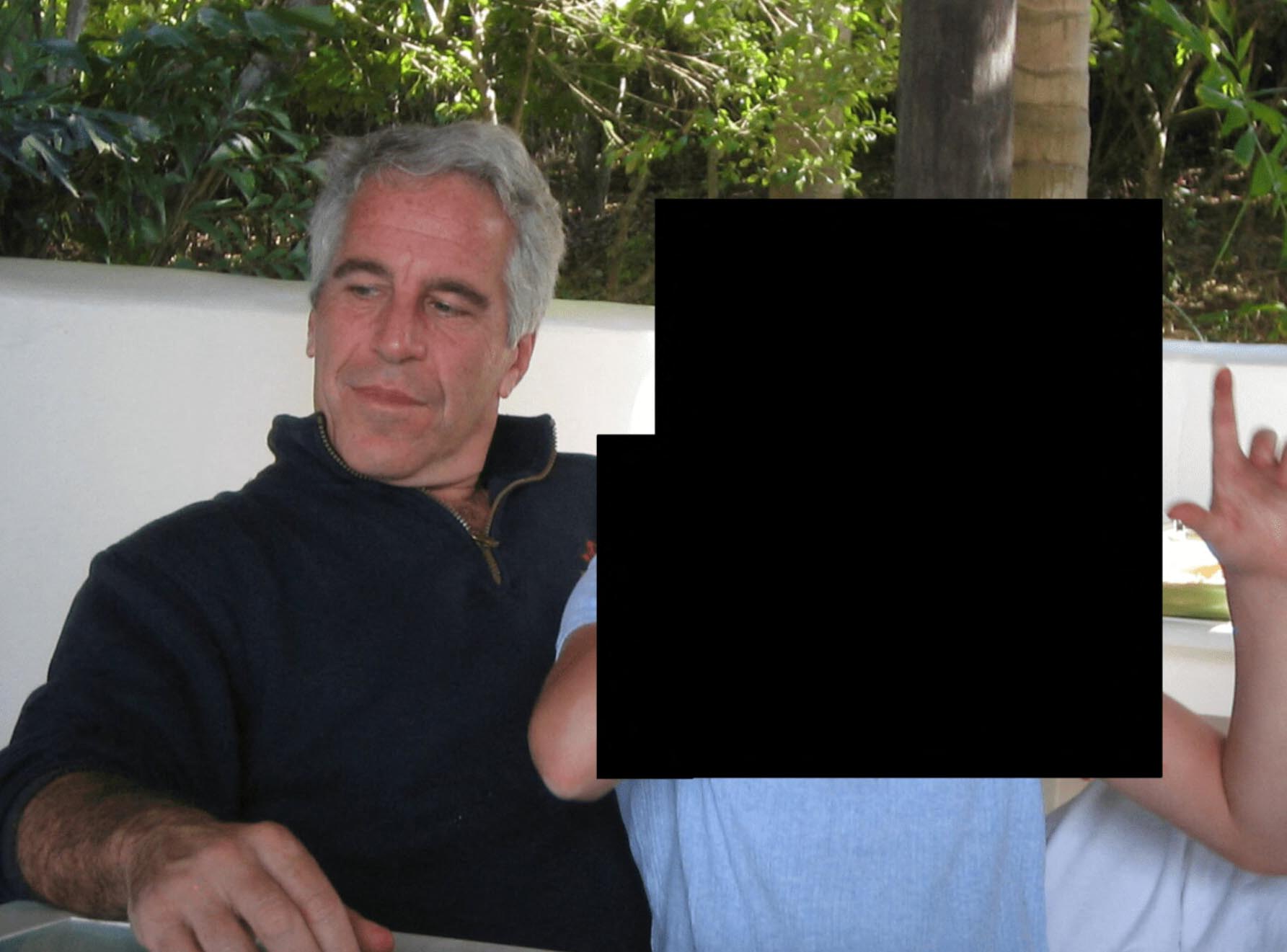
Notably, Sullivan’s order follows growing bipartisan calls for greater transparency surrounding the government’s handling of the Epstein investigation. The heavily redacted release of Epstein files drew criticism from both lawmakers and victims’ advocates, who questioned whether some of the withheld material exceeded what federal law allows.
One flashpoint involves an email referencing a “torture video.” Democratic Rep. Ro Khanna and Republican Rep. Thomas Massie questioned why the recipient’s identity was blacked out. Blanche later identified the recipient as Sultan Ahmed bin Sulayem, saying the redaction applied only to personally identifiable information contained in the email address rather than the individual’s name.
Ghislaine Maxwell argues new documents undermine her conviction


Separately, Maxwell filed an amended habeas corpus petition arguing that documents released under the Epstein Files Transparency Act demonstrate her constitutional rights were violated before her December 2021 conviction. Representing herself, Maxwell claimed lawyers representing Epstein’s accusers acted as “de facto prosecutors and agents of the government,” denying her due process. She cited a letter from a former federal prosecutor stating, “I did what I could,” in regards to assisting the victims’ attorneys in efforts to undo Epstein’s controversial 2007 federal non-prosecution agreement in Florida.
Maxwell also argued the newly released records show prosecutors failed to conduct “any real investigation of their own,” resulting in “misrepresentations to judges and the jury resulting in an unsafe conviction.” She also cited prosecutors’ failure to interview former Epstein associate Leslie Wexner, the billionaire founder behind Victoria’s Secret, who testified before Congress in February that he ended his relationship with Epstein in 2007 and had no knowledge of his criminal conduct.
Prosecutors reject Ghislaine Maxwell’s claims as legally meritless


Federal prosecutors have urged U.S. District Judge Paul Engelmayer, who is overseeing Maxwell’s petition, to reject the filing. U.S. Attorney Jay Clayton argued that most of Maxwell’s claims were filed too late and that the remaining allegations were speculative or legally deficient. “In short, the defendant — for multiple, independent reasons — utterly fails to carry her burden to overturn her proper conviction and just sentence,” Clayton wrote in a filing made public on Wednesday, June 24.
Maxwell has repeatedly sought to overturn her conviction, including arguing unsuccessfully that Epstein’s 2007 non-prosecution agreement shielded her from prosecution. The U.S. Supreme Court declined to hear that appeal in October 2025.