









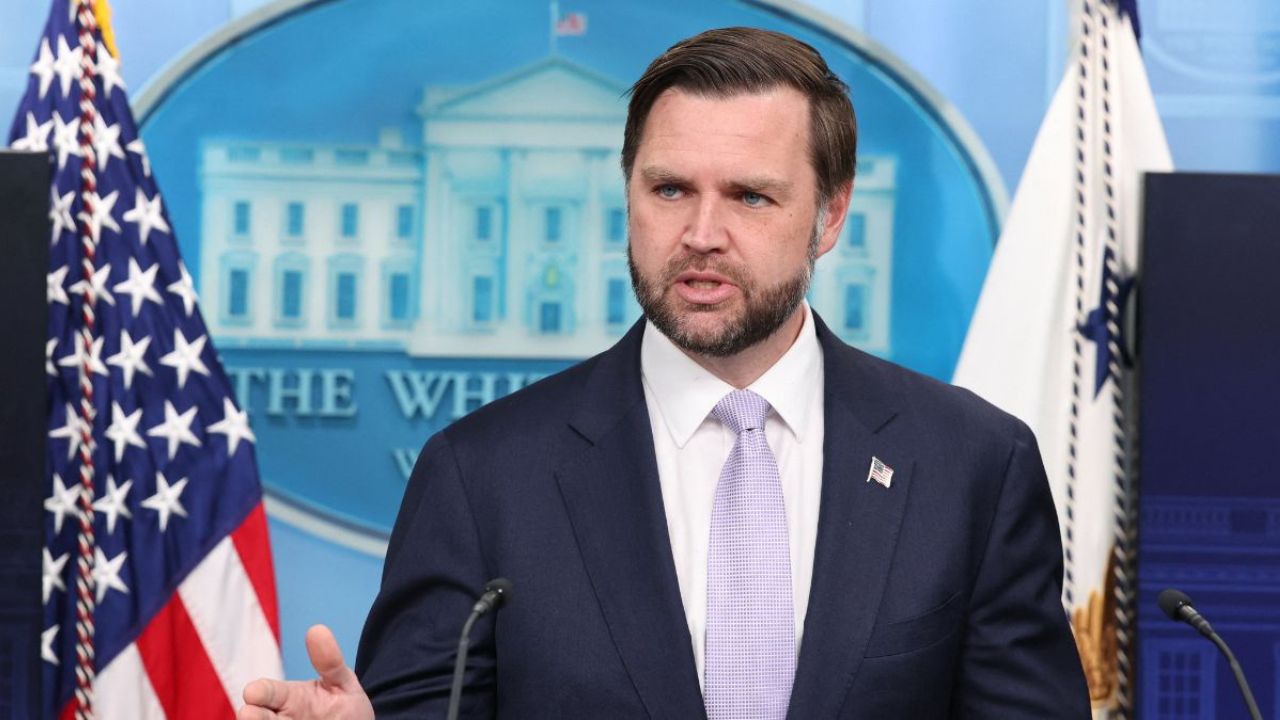
J.D. Vance is backing Donald Trump’s aggressive economic pressure against Iran.
Vance appeared on “The Clay & Buck Show” and laid out the administration’s position.
“This is a delicate dance” because Iran will “try to apply economic pressure to us,” he said.
Vance believes economic pressure could force Iran to change course
Vance even argued that Washington has gained the upper hand over the past several weeks and claimed that Iran “felt a lot more pressure” than the U.S.A.
Since the Strait of Hormuz is Iran’s main source of leverage, Vance asserted the administration wants to ease pressure on drivers and current oil rates.
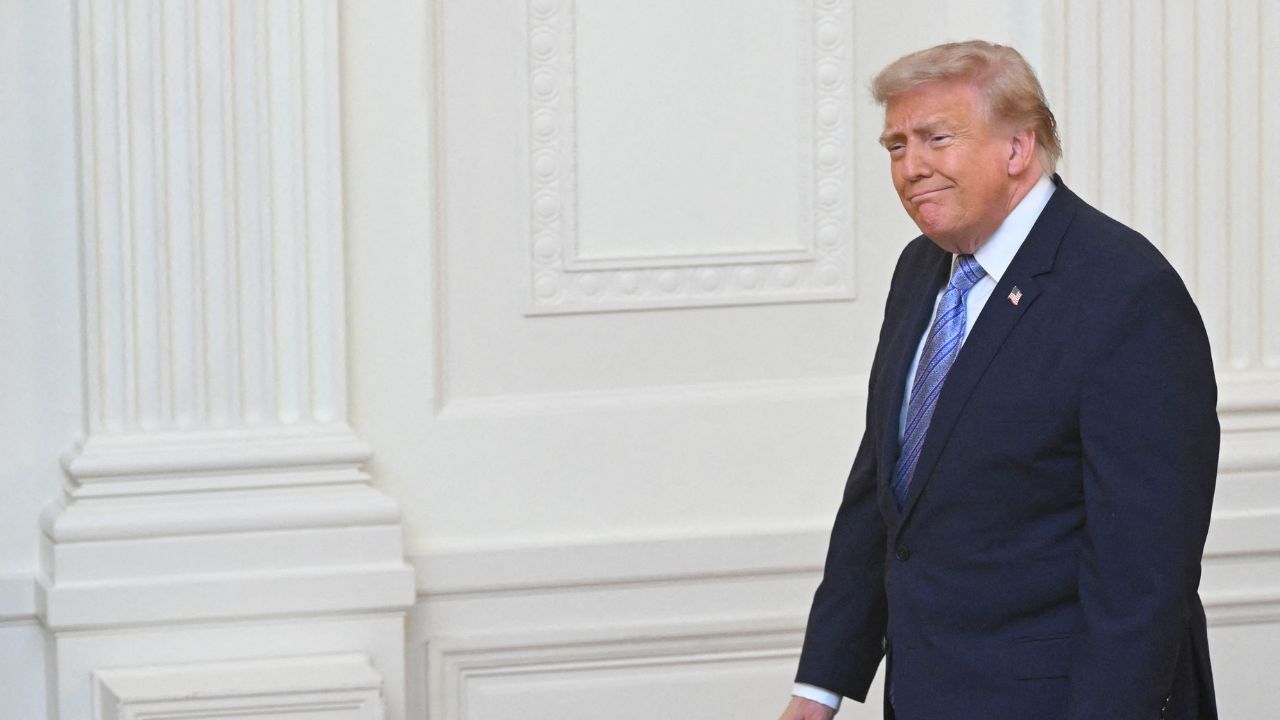
“If we can, not even get it back to where it was before, but if we can get enough oil and gas out to give some Americans some ease at the pumps, some ease on energy prices,” he stated.
However, CNBC reported that ship traffic through Hormuz remains far below pre-war levels. Kpler data showed 10 crossings on Monday, August 17 and two on Sunday, August 16, compared with an average of about 130 ships a day before the war.
China faces pressure to join the economic campaign against Iran
U.S. Treasury Secretary Scott Bessent urged China to support Washington’s latest efforts to economically isolate Tehran.
When CNBC asked whether the new economic sanctions would include China, he pointed at China’s dependence on energy from the Gulf.
He said, “Keep in mind, the Chinese get 50 per cent of their energy from the Gulf. So, it would do them a big service to get with the programme.”
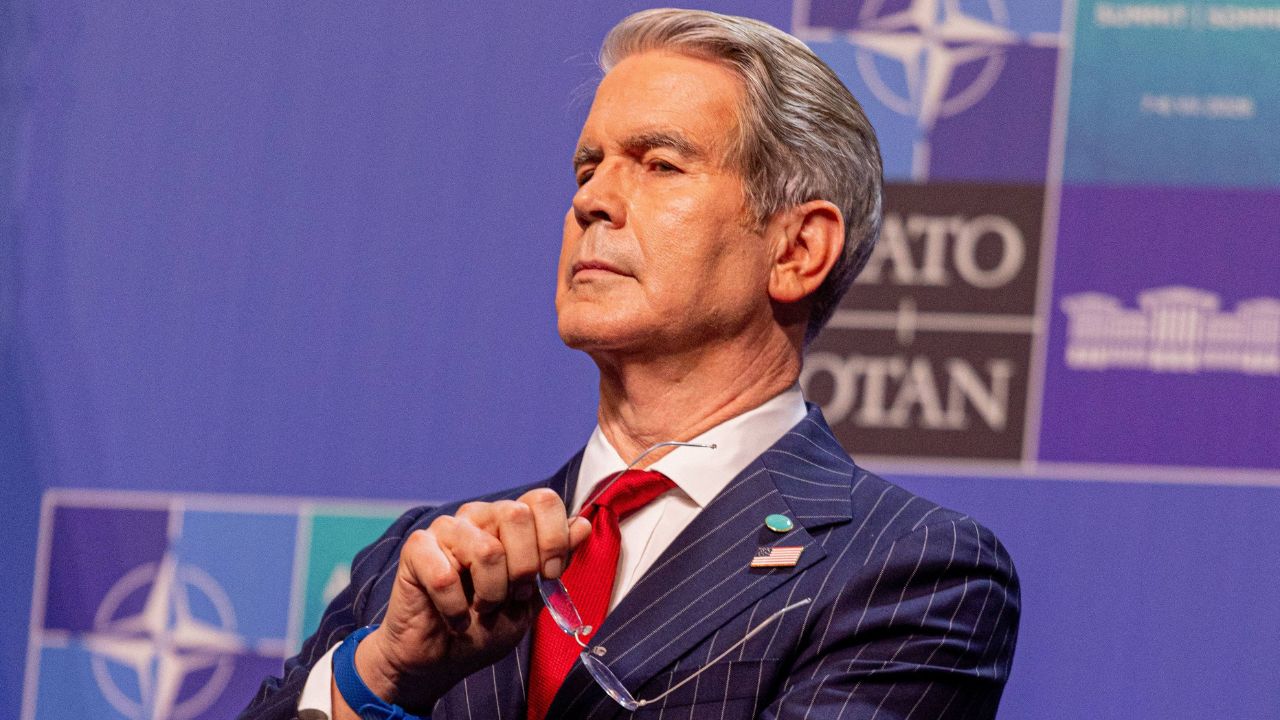
Bessent also warned that the campaign could force both its allies and adversaries to choose sides.
“This is going to be the greatest coordinated economic isolation in the history of the world. And we are going to them and saying you are either with us or against us,” he declared.
However, he acknowledged the sensitivity of discussions with Beijing and said, “Many conversations are best to have in private.”
Iran responds to the U.S.A’s rigorous economic campaign
Trump announced the campaign through a Truth Social post on August 20, calling it an “ECONOMIC D-DAY.” He wrote, “This will be economic warfare and isolation on an unprecedented scale.”
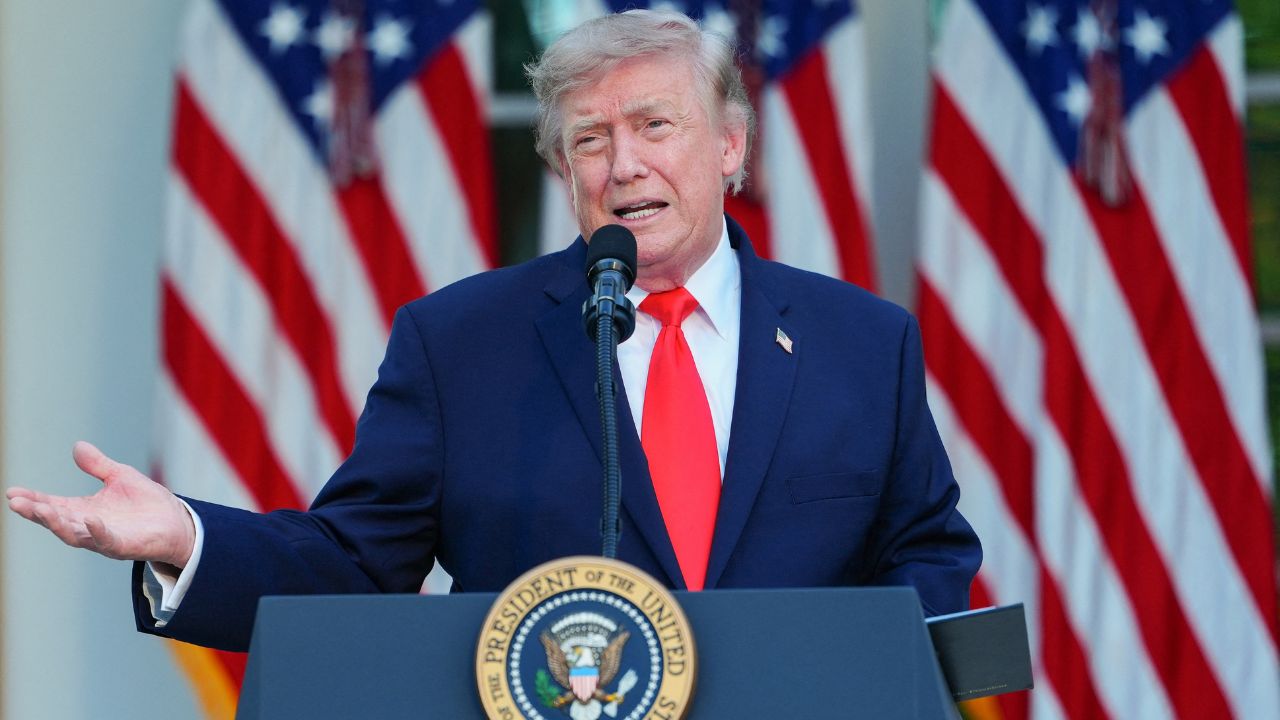
The president added, “Any country that allows its financial institutions, businesses, airports, or government entities to provide any type of lifeline to Iran will itself face tremendous economic consequences.”
But Iranian officials did not seem provoked by Trump’s threat. Iranian Foreign Minister Abbas Araghchi took to X and penned, “The so-called “Economic D-Day” is a diversion from America’s own crisis: unprecedented debt & surging interest costs.”
“Doubling down on failed policies will only bring further defeat—and enmity of Iranians. US economic terrorism threatens global economy and sovereignty worldwide,” he said.