







Every year, thousands of cannabis activists around the world gather in parks, city streets, beaches, and public squares to call for something many believe should have happened decades ago — fair cannabis laws.
The Global Cannabis March has become one of the most recognizable international cannabis activism events on the planet. From Europe to North America, Latin America to Africa, the event brings together patients, growers, entrepreneurs, activists, and ordinary cannabis users under one message:
Stop criminalizing cannabis culture.
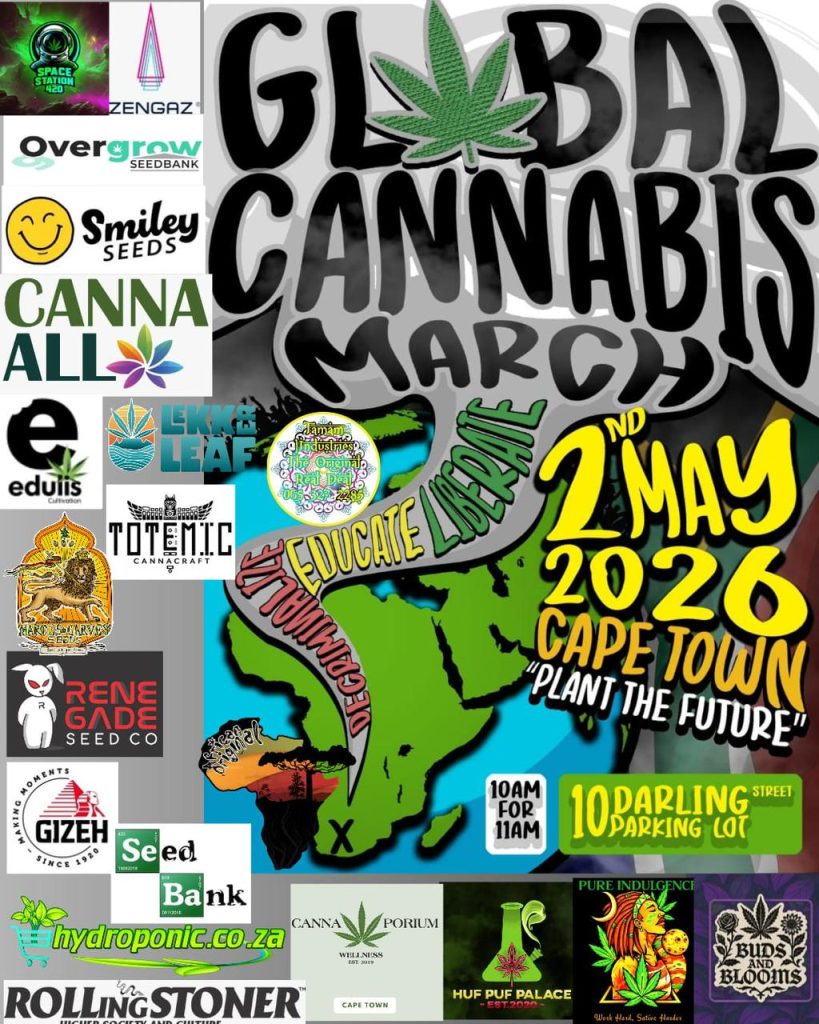
In 2026, South Africa once again joined that global conversation.
But unlike some countries where legalization has already created billion-dollar retail industries, South Africa’s cannabis movement still finds itself caught between progress and uncertainty.
South Africa’s cannabis story has never followed the same path as the United States or Canada.
There are no massive public cannabis corporations dominating the market yet. No fully legal recreational dispensary chains. No nationwide retail framework.
Instead, South Africa’s cannabis movement has been driven by activists, court battles, underground growers, Rastafari communities, and ordinary citizens who spent decades fighting prohibition laws many viewed as outdated and unjust.
For years, cannabis users in South Africa faced arrests, raids, criminal records, and social stigma over a plant deeply rooted in local culture and traditional use.
That started changing in 2018 when South Africa’s Constitutional Court ruled that adults have the right to use and cultivate cannabis privately. The ruling became a landmark moment in African cannabis reform and helped position South Africa as one of the continent’s most progressive cannabis jurisdictions.
But legalization did not suddenly solve everything.
Today, cannabis culture in South Africa is more visible than ever.
Cannabis clubs operate openly in major cities. Boutique “private clubs” and wellness-style cannabis stores have appeared across Cape Town, Johannesburg, Durban, and Pretoria. Social media cannabis culture has exploded, and private events regularly attract large crowds.
Yet despite all of this visibility, the legal framework still remains incomplete.
Adults may legally use cannabis privately, and the government has introduced the Cannabis for Private Purposes Act along with draft possession and cultivation regulations.
But commercial recreational sales remain legally uncertain.
That contradiction has created one of the strangest cannabis markets in the world:
- cannabis is everywhere
- private use is protected
- but formal retail regulation still does not fully exist
As a result, many cannabis businesses operate in a legal grey area using membership clubs, cultivation collectives, and private association structures.
For activists marching in 2026, that uncertainty remains one of the movement’s biggest frustrations.
Some people assume cannabis activism disappears once legalization begins. South Africa proves the opposite.
The Global Cannabis March continues to play an important role because many activists believe the real fight has shifted from decriminalization toward fair inclusion, economic access, and sensible regulation.
The movement today focuses on several major concerns:
- protecting small-scale growers
- ending ongoing arrests
- creating fair cannabis regulations
- preventing corporate monopolies
- recognizing traditional cannabis communities
- expanding medical access
- building a sustainable local cannabis economy
For many South Africans, cannabis reform is not simply about recreational use.
It is tied to:
- poverty reduction
- rural agriculture
- post-apartheid economic inequality
- indigenous rights
- religious freedom
- healthcare access
That gives the South African cannabis movement a very different tone compared to some Western cannabis markets that became heavily commercialized almost immediately.
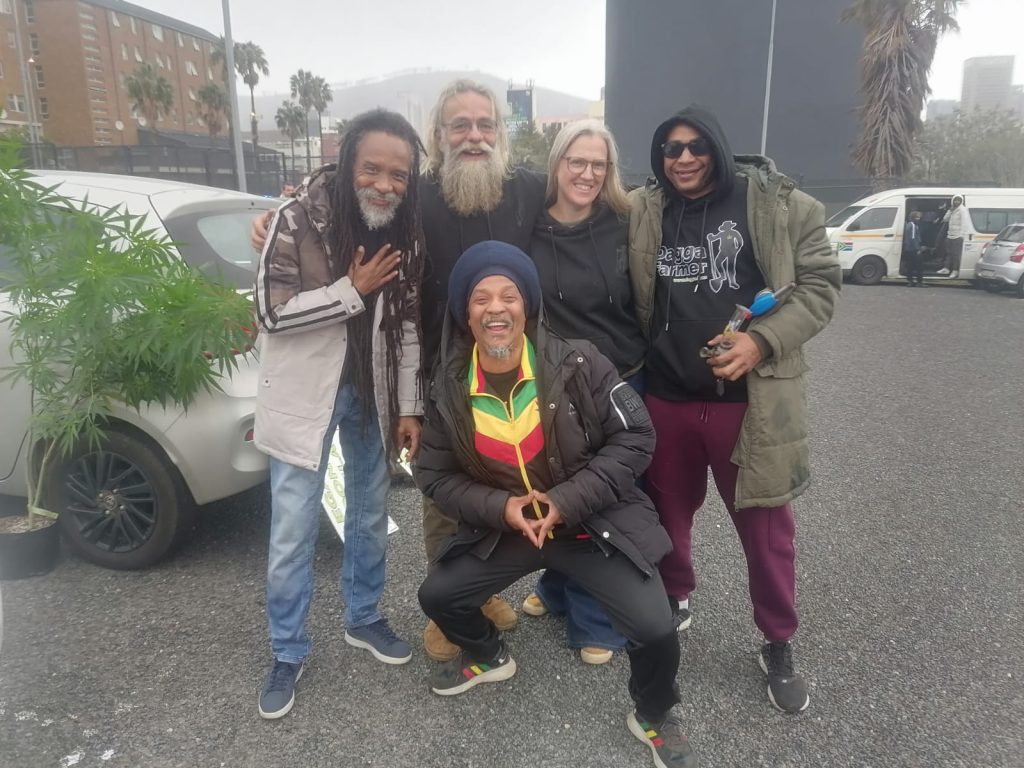
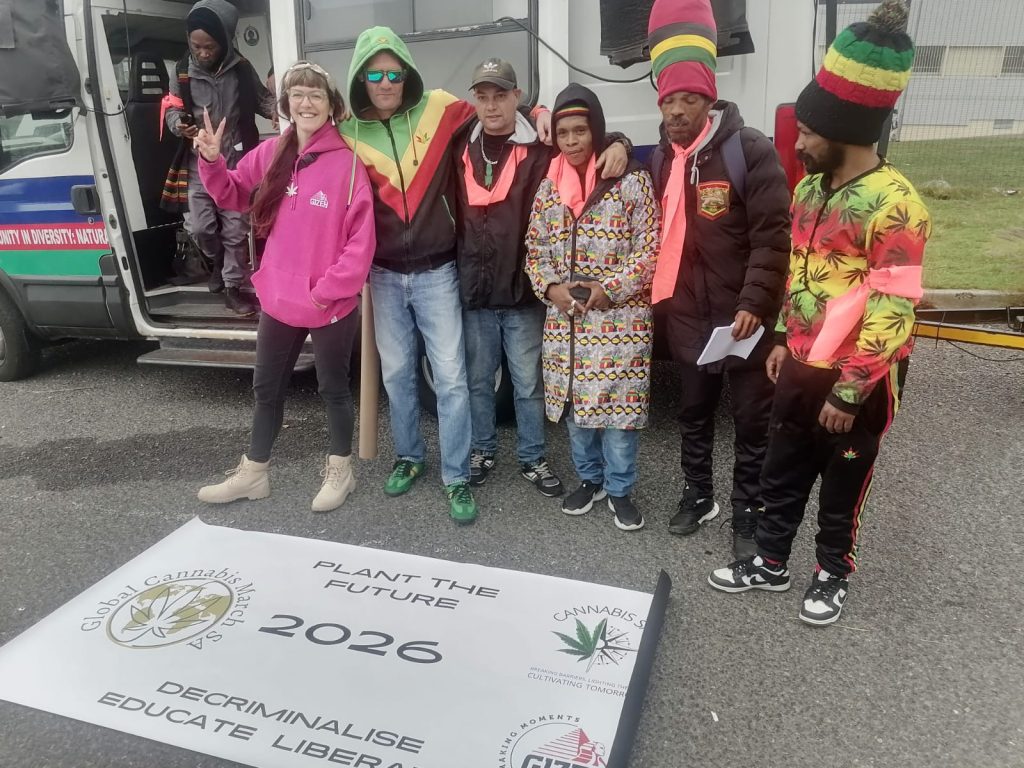
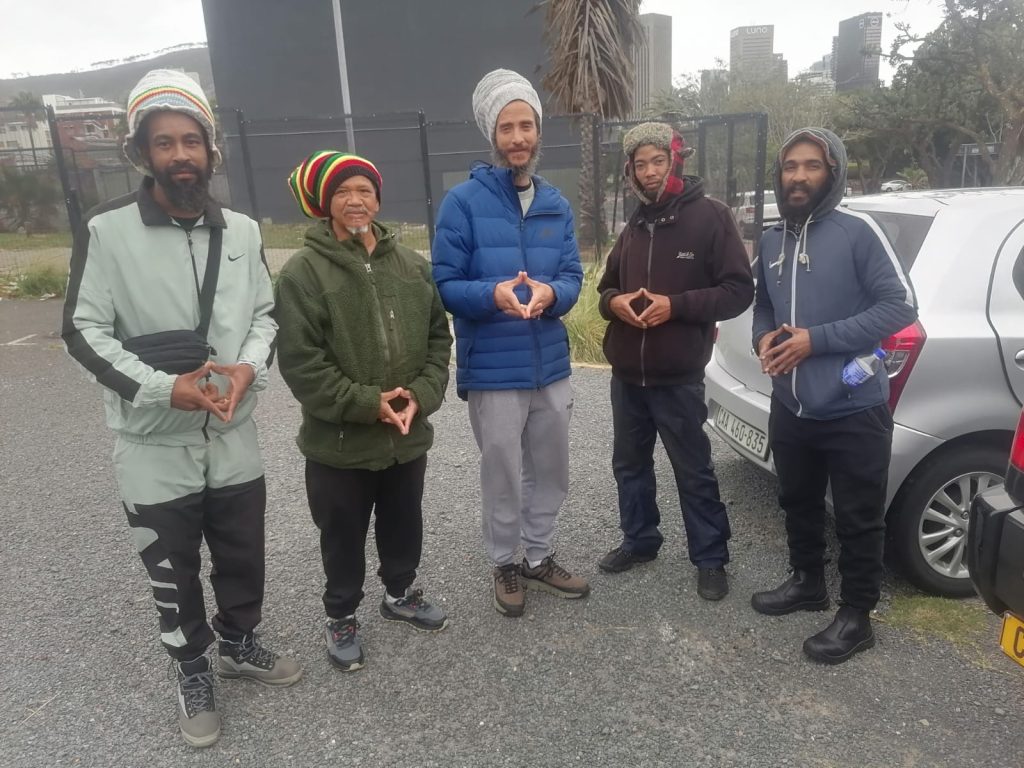
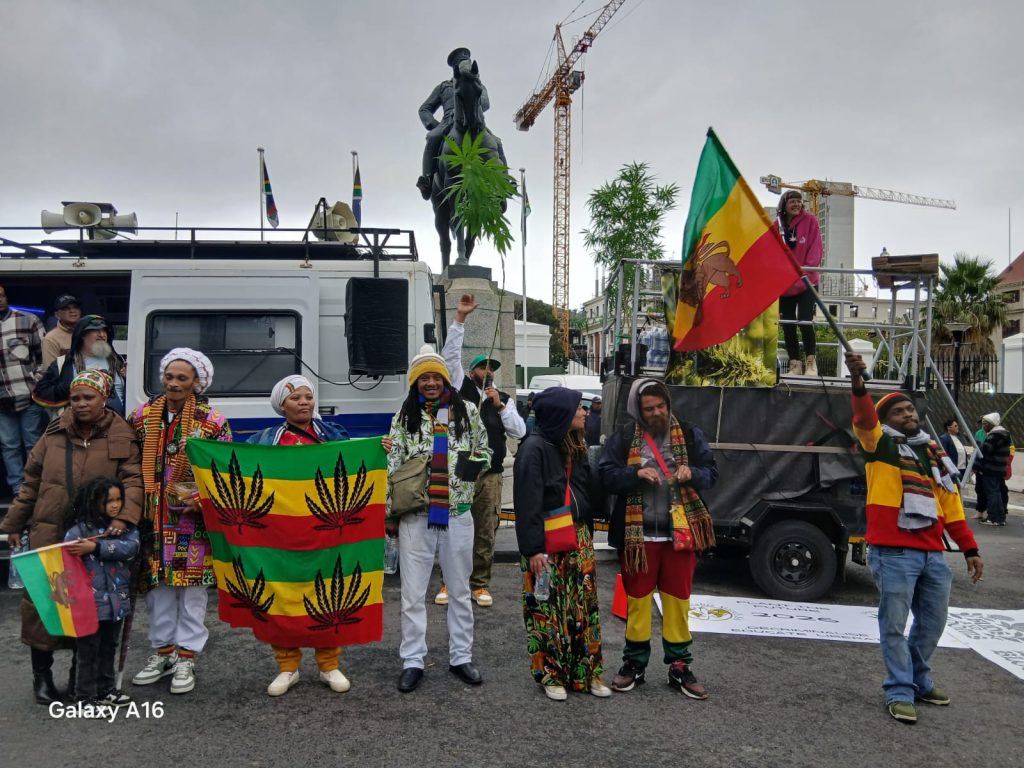
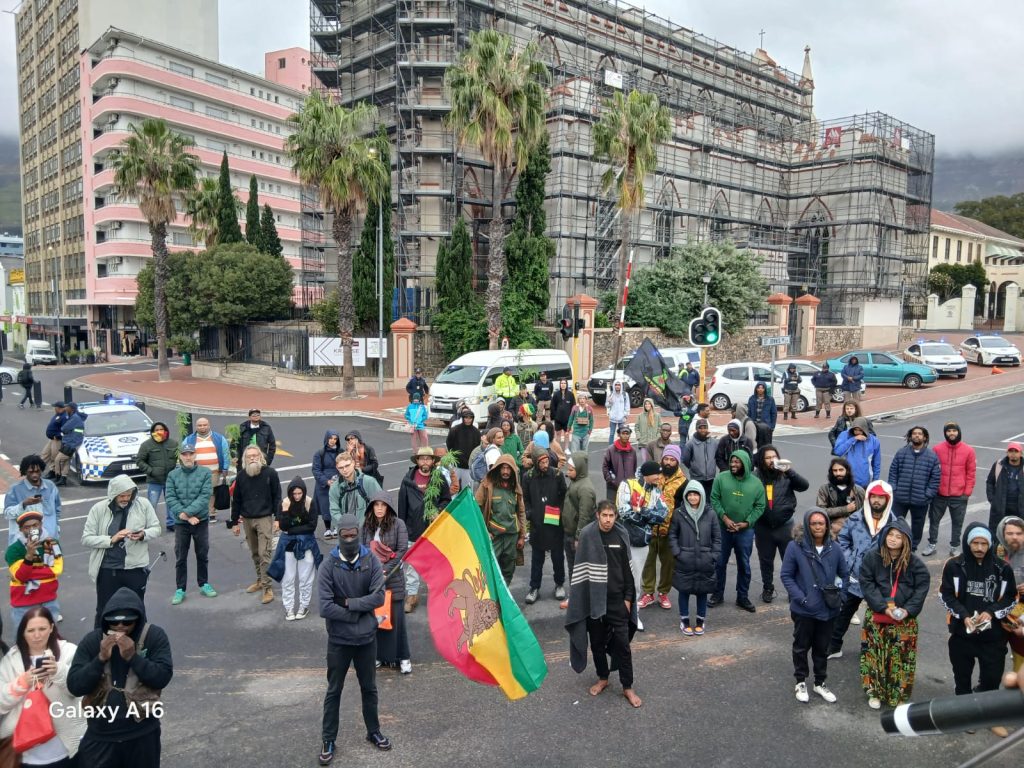
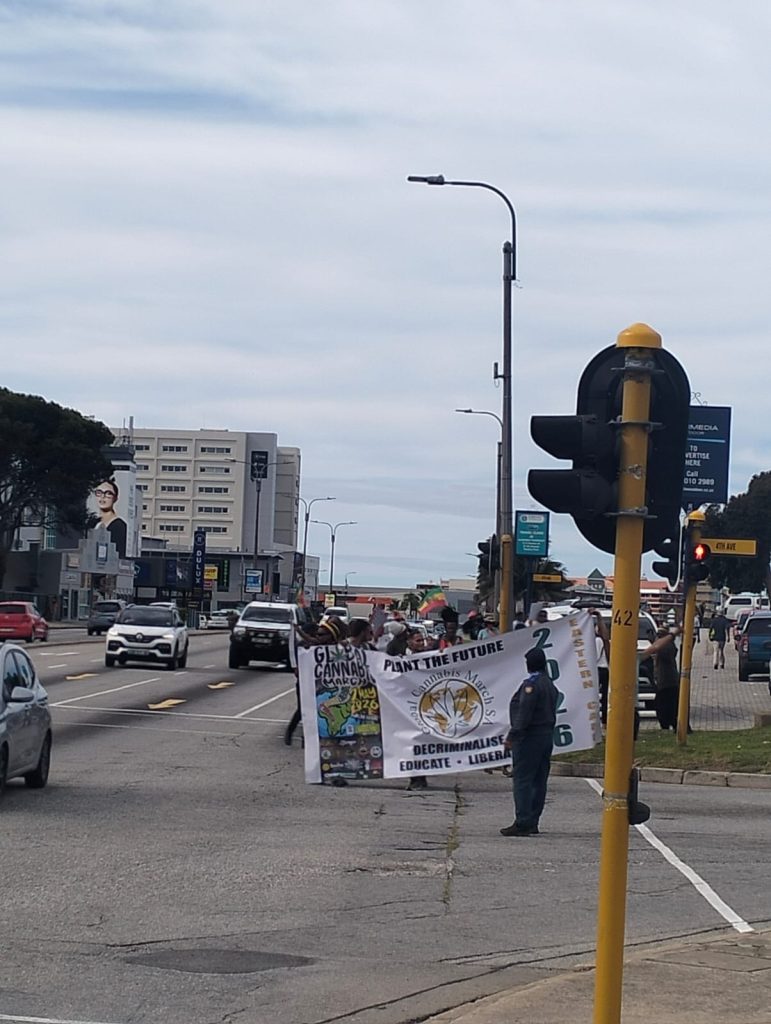
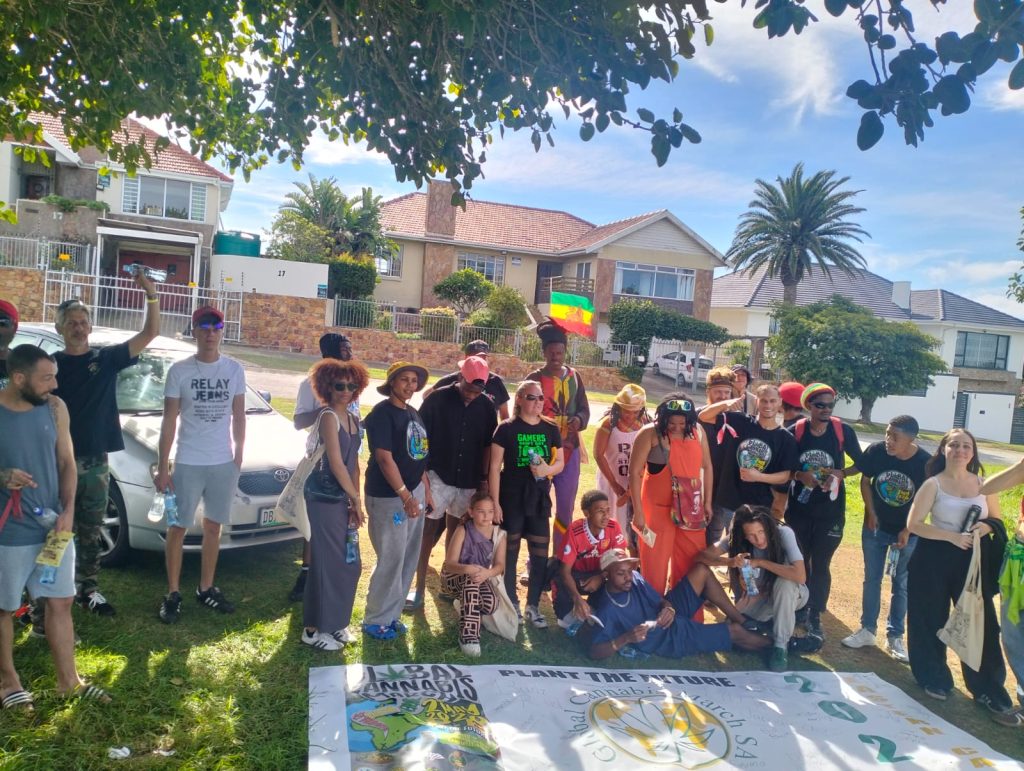
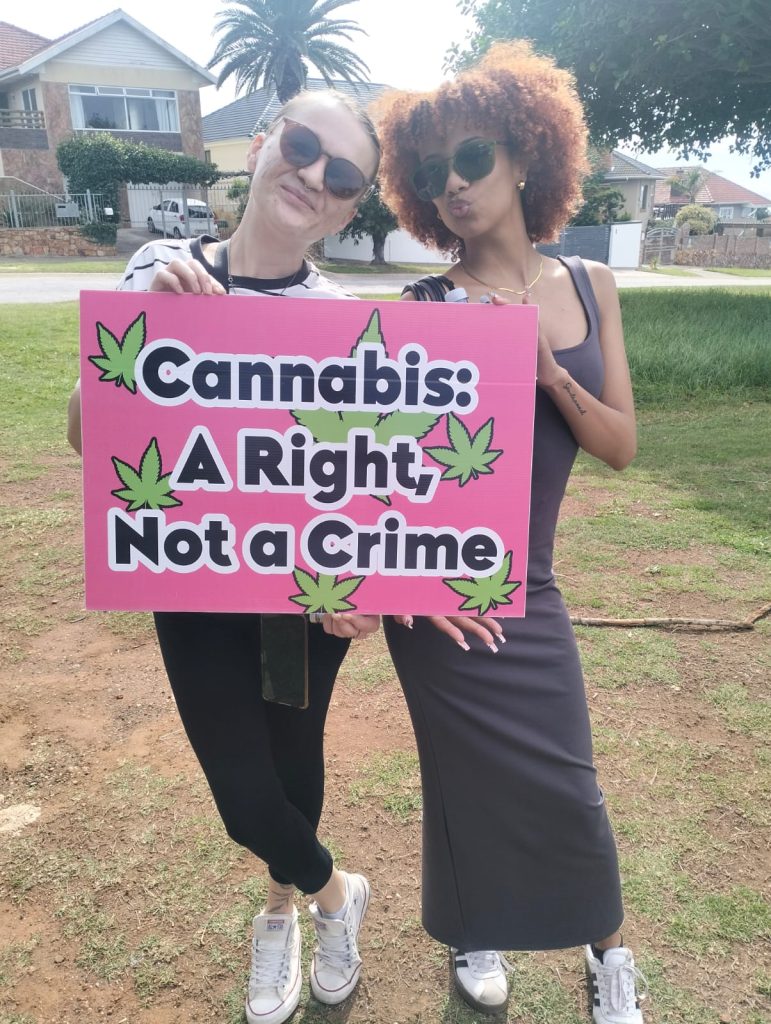
One thing becomes obvious when walking through parts of Cape Town or Johannesburg today:
Cannabis culture is no longer hiding.
Private lounges, cannabis events, educational expos, and cannabis-friendly venues have become increasingly common. International visitors are often surprised by how openly cannabis is discussed despite the country not having a fully legalized retail system yet.
At the same time, government departments continue working on broader cannabis legislation and commercialization strategies. South Africa’s National Cannabis Master Plan aims to formalize and grow the sector into a major economic industry.
Officials believe cannabis and hemp could eventually contribute billions to the economy while creating jobs in agriculture, manufacturing, wellness, and exports.
Still, activists warn that slow regulation could leave small traditional growers behind while larger investors move into the industry first.
One of the biggest tensions inside South Africa’s cannabis movement involves rural cannabis farming communities.
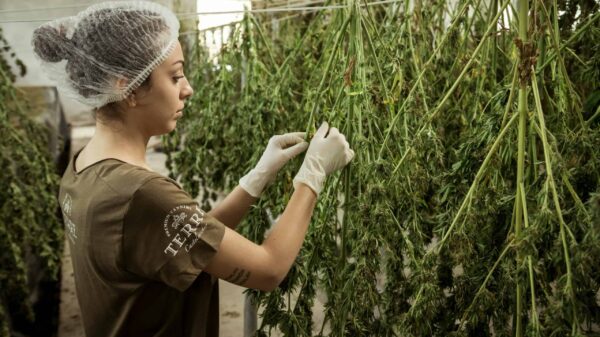
Long before legalization debates reached parliament, generations of traditional growers in regions like the Eastern Cape and KwaZulu-Natal were already cultivating cannabis as part of local survival economies.
Many activists argue those communities carried the burden of prohibition for decades and should now benefit from legalization.
Instead, critics fear the legal market could become dominated by:
- corporate investors
- pharmaceutical interests
- export-focused operators
- expensive licensing systems
This debate has become central to cannabis activism in South Africa.
For many march participants, legalization without economic inclusion is not true reform.
A decade ago, public cannabis marches in South Africa were often viewed as fringe activism.
Today, cannabis reform discussions involve:
- parliament
- lawyers
- healthcare professionals
- investors
- researchers
- policymakers
- licensed operators
- mainstream media
Major cannabis conferences and business events now take place openly in South Africa, attracting both local and international stakeholders.
At the same time, grassroots activism remains deeply important.
Organizations, independent media platforms, and community groups continue pushing government to move faster, regulate smarter, and avoid repeating mistakes seen in other countries.
The Global Cannabis March 2026 was not simply a celebration.
It was also a reminder.
A reminder that cannabis reform in South Africa remains unfinished.
The country has already taken historic steps by recognizing private cannabis rights and beginning the process of broader reform. But many legal, economic, and social questions remain unresolved.
Who benefits from legalization?
Who gets excluded?
How should cannabis clubs operate?
What happens to legacy growers?
How should retail work?
What does fair cannabis regulation actually look like?
Those questions continue to shape South Africa’s cannabis movement in 2026.
And as activists once again gathered under green flags, smoke clouds, music, and protest banners this year, one message remained clear:
The cannabis movement in South Africa is no longer asking for permission to exist.
It is demanding a future.