
President Donald Trump suffered a major legal setback after an Obama-appointed federal judge struck down key provisions of his executive order aimed at imposing stricter voter registration requirements nationwide. U.S. District Judge Denise Casper ruled that the Constitution does not give the president authority to rewrite election rules through executive action, siding with a coalition of Democratic-led states that challenged the order. Casper’s ruling effectively blocked the administration from enforcing citizenship-verification requirements and other election-related changes ahead of the 2026 midterms.
Judge rejects key provisions of Trump’s executive order
The dispute centered on Trump’s March 2025 executive order, Preserving and Protecting the Integrity of American Elections, which seeks to reshape federal election administration through a series of directives affecting voter registration, mail ballots and election funding.
One of the most significant provisions included in the order instructs the Election Assistance Commission to require documentary proof of U.S. citizenship on the federal voter registration form. Under the proposal, Americans registering to vote in federal elections would be required to provide evidence of citizenship, such as a birth certificate. The order also directed the Pentagon to impose similar requirements on military and overseas voters and instructed the Justice Department to take action against states that count mail ballots received after Election Day.
States argue Donald Trump exceeded his authority

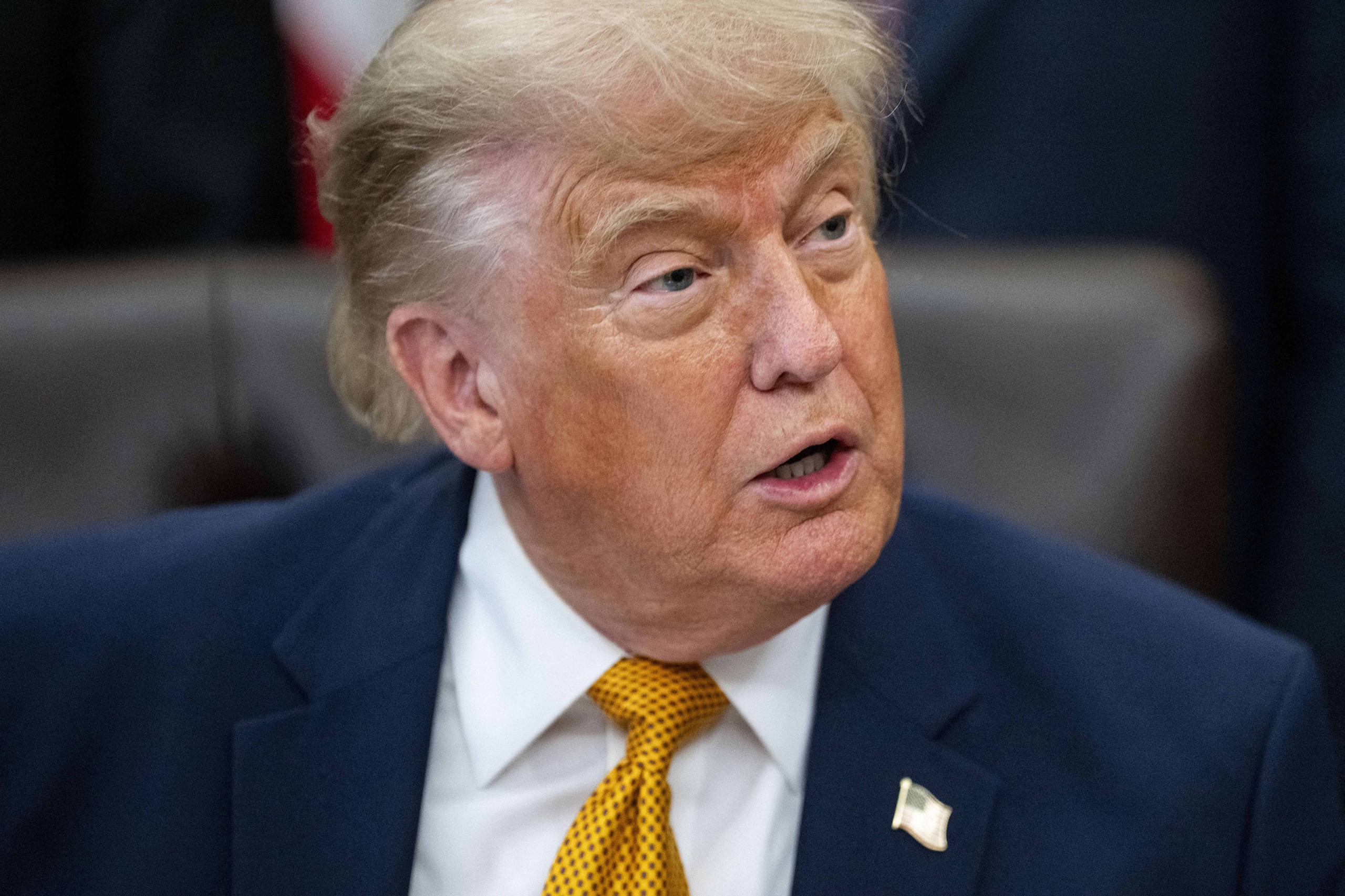
A coalition of Democratic-led states — including California, Arizona and Massachusetts — challenged the order, arguing that Trump had attempted to rewrite election law without congressional approval. The states did not dispute that only U.S. citizens are legally permitted to vote. Instead, they argued that the Trump administration was imposing new documentation requirements, funding conditions and ballot-counting rules that conflict with existing federal statutes. Casper agreed, writing that the executive order is “unconstitutional and void” because it violates “the separation of powers under the United States Constitution.” The judge concluded that authority over federal elections rests primarily with states and Congress, not the executive branch.
Judge’s ruling blocks key election changes

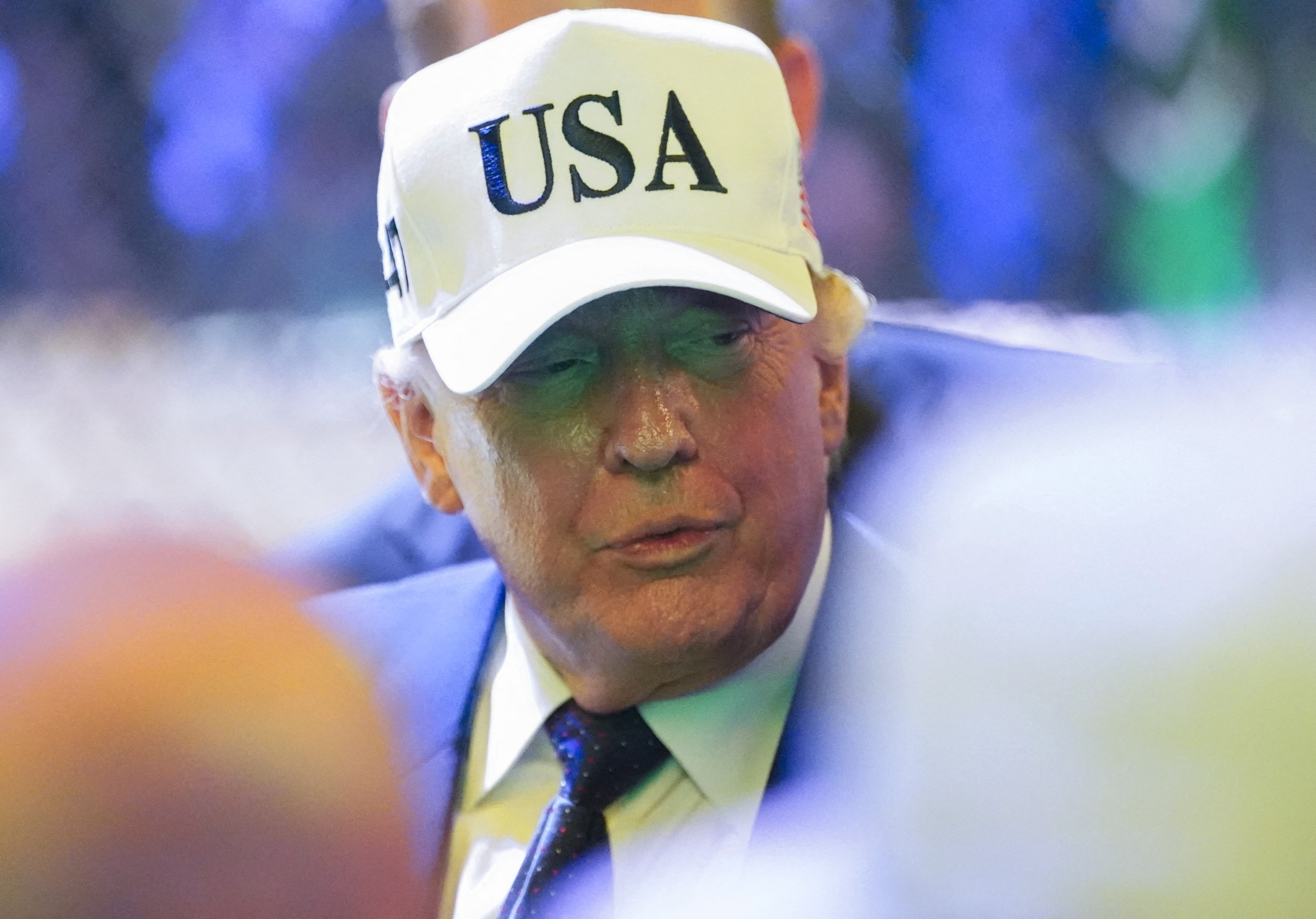
As a result of the ruling, federal agencies cannot implement or enforce several major provisions of the executive order, including the proof-of-citizenship requirement, changes to federal voter registration forms, efforts to penalize states over late-arriving ballots and funding restrictions tied to compliance with the new rules. The decision preserved existing election procedures and prevented the creation of a nationwide documentation requirement for voter registration, a policy long supported by many Republicans. The ruling is being widely viewed as a significant obstacle to Trump’s effort to reshape election rules through executive authority.
The White House, however, defended the executive order, with spokesperson Abigail Jackson telling Newsweek that the Trump administration believes the measure is lawful and will be implemented. “President Trump has also urged Congress to pass the SAVE America Act and other legislative proposals that would establish a uniform standard of photo ID for voting, prohibit no-excuse mail-in voting and end the practice of ballot harvesting to secure our elections for generations to come,” Jackson said.
Fight far from over, officials say

New York Attorney General Letitia James welcomed the ruling, saying, “Generations of Americans fought tirelessly for the right to vote, and we honor their legacy by protecting that right against anyone who tries to undermine it. … I am grateful the court blocked the president’s unconstitutional attempt to seize control of our elections. As we approach this year’s midterms, I will continue doing everything in my power to protect free and fair elections and defend the sacred right to vote for New Yorkers and all Americans.”
California Attorney General Rob Bonta also praised the decision while warning that the legal battle is far from over. “While we are proud of this result, we are clear-eyed that President Trump’s attacks on voting rights and our elections show no signs of slowing down,” Bonta said. “So let me be clear: We will keep fighting back every step of the way.”