





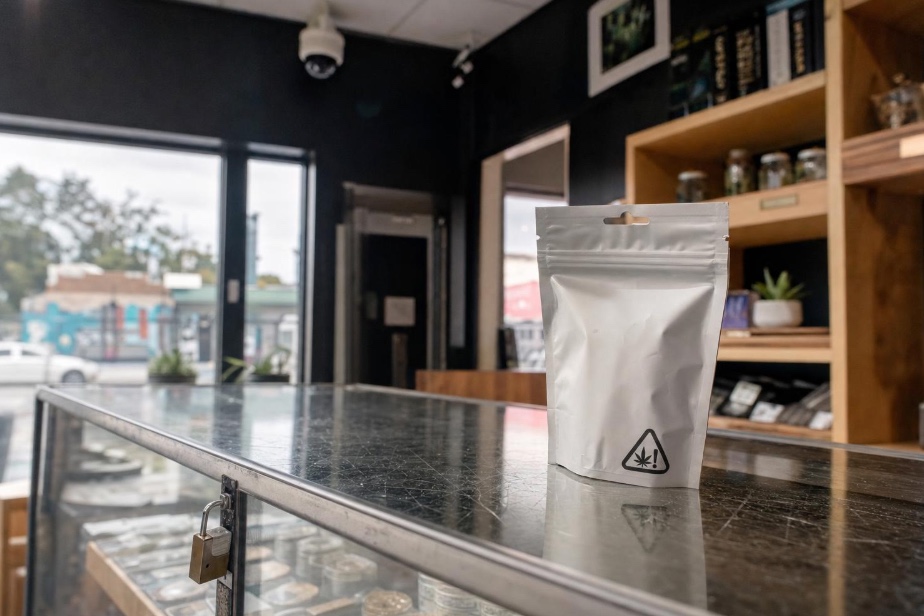
Licensed cannabis retail is now a routine part of the Los Angeles commercial landscape, and many injuries connected to dispensaries resemble those at other retail businesses. Claims commonly involve premises liability, negligent security, product liability, or negligence based on a regulatory violation. Cannabis law adds detailed licensing, packaging, labeling, testing, and warning requirements that may help define the standard of care. The information below is general legal information for California consumers, operators, and compliance teams, not advice about a particular incident.
A snapshot of the Los Angeles rules that shape exposure
Cannabis injury liability in Los Angeles is shaped by both state regulations and local ordinances. Several rules may affect how an incident is investigated:
- On-site consumption. The City of Los Angeles prohibits cannabis consumption lounges and temporary cannabis events. This is a city rule, not a statewide prohibition, and local rules elsewhere may differ.
- Hours and age checks. State rules allow retailers to sell cannabis between 6:00 a.m. and 10:00 p.m., subject to stricter local limits. Adult-use purchasers must be 21 or older. Qualified medicinal purchasers may be 18 or older with a physician’s recommendation.
- Proposition 65 warnings. Businesses subject to Proposition 65 must provide applicable warnings for exposure to listed chemicals, including cannabis smoke and delta-9 THC in covered circumstances. The required wording and format depend on the type and location of the exposure.
Where injury claims commonly arise
The legal theory depends on whether the alleged harm came from the property, security practices, or a cannabis product. More than one theory may apply to the same incident.
Premises liability
California law asks whether a business acted reasonably in inspecting, maintaining, and managing its property. Relevant hazards may include wet floors near check-in, uneven walkways, crowded queue areas, loose mats, or poorly lit parking lots. Important evidence can include incident reports, surveillance footage, inspection and maintenance logs, witness information, and dated photographs of the condition.
Negligent security
Cannabis retail can involve cash, valuable inventory, and controlled access, which may increase robbery or assault concerns. A negligent security claim often turns on whether the event was reasonably foreseeable and whether the operator took reasonable precautions. Prior similar incidents, security staffing, lighting, camera coverage, alarm systems, and access controls may all matter. Workplace safety plans and related training records can also become evidence.
Product liability
Product claims may involve contamination, inaccurate potency information, defective packaging, or inadequate warnings. The Department of Cannabis Control can order a mandatory recall, while a licensee may initiate a voluntary recall. When a product may be involved in an injury, preserve the intact packaging, receipt, batch or lot number, universal symbol, and any available certificate of analysis. The current state recall portal can help confirm whether the product and batch are affected.
How labels, warnings, and testing affect a lawsuit
Regulations can serve as a practical checklist for evaluating a product claim. California labeling rules require covered products to state THC and CBD content, including amounts per serving and per package when applicable. Potency limits vary by product category and whether the item is restricted to medicinal use. Packaging rules may also require features such as child resistance, tamper evidence, and resealability.
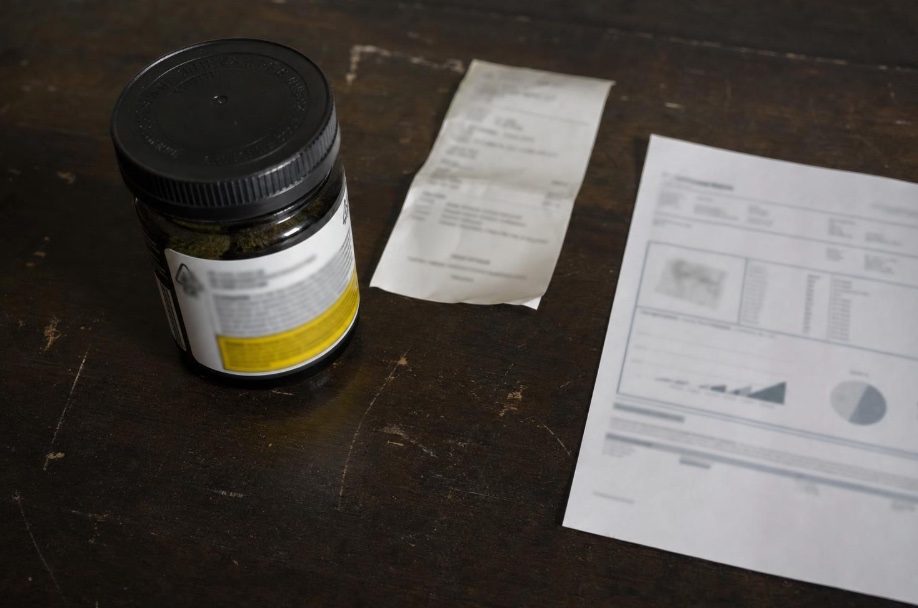
Under California Evidence Code section 669, violation of a statute or regulation may create a rebuttable presumption of negligence when specific requirements are met. Among other things, the injury must be the kind the rule was intended to prevent, and the injured person must belong to the class the rule was designed to protect. This is why missing warnings, label discrepancies, testing records, and chain-of-custody documents may receive close attention during a claim.
The cannabis “overservice” question
California does not have an express cannabis equivalent to the alcohol dram shop framework. A claim involving a customer’s later conduct would generally need to be evaluated under ordinary principles such as negligence, premises liability, and foreseeability rather than a cannabis-specific overservice statute. Within the City of Los Angeles, the prohibition on consumption lounges also limits the situations in which lawful on-site consumption occurs at a licensed retailer.
Deadlines that may control a claim
California’s general statute of limitations for personal injury is two years from the date of injury. Exceptions can shorten, extend, or delay that period depending on the facts. Claims involving a government entity generally require an administrative claim to be presented within six months before a lawsuit can proceed.
Other deadlines may apply to minors, delayed discovery, wrongful death matters, or claims involving particular defendants. Anyone evaluating an incident may consider a prompt consultation with a Los Angeles personal injury lawyer to confirm relevant dates and preserve evidence; this is general legal information, not a case-specific recommendation.
Practical steps after an injury
- Seek appropriate medical care and retain treatment records, bills, and discharge instructions.
- Photograph the scene, the hazardous condition, and any relevant warnings or signs.
- Ask that surveillance footage and electronic records be preserved before routine deletion.
- Keep product packaging, receipts, batch or lot numbers, and unused contents in a secure place.
- Record the retailer’s posted license information and scan its license QR code if available.
- Check the state cannabis recall portal for the product and batch.
- Report suspected product violations through the Department of Cannabis Control complaint process. Local operating concerns may be reported to the Los Angeles Department of Cannabis Regulation.
Those records can also help assess cannabis product liability risks.
When to consult a lawyer in Los Angeles
A person who suffered a serious injury connected to a dispensary visit or an allegedly defective cannabis product may consider consulting a lawyer to review deadlines, evidence, and potential defendants. Fee arrangements vary, and no lawyer can promise a particular result. Operators facing a claim should contact their own counsel and insurer promptly.
FAQ
What evidence matters in a product case?
Useful evidence may include the intact label and packaging, unused product, the universal symbol, batch or lot numbers, purchase records, photographs, medical records, recall notices, and the certificate of analysis for the batch.