








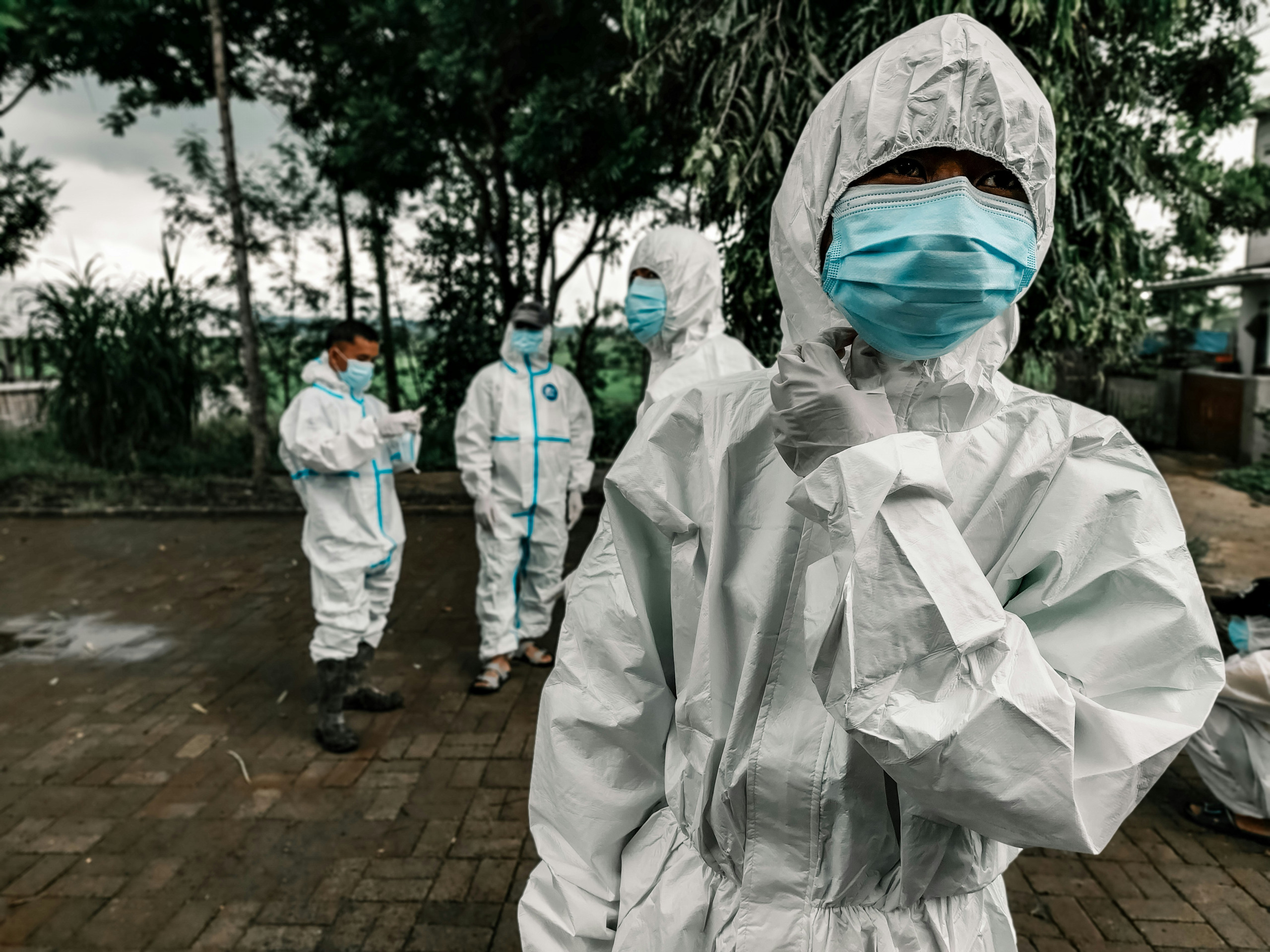
An American humanitarian worker in the Democratic Republic of the Congo (DRC) has tested positive for the rare Bundibugyo strain of Ebola, as the U.S. Centers for Disease Control and Prevention (CDC) coordinates with international authorities to contain the outbreak.
The CDC said it is working with DRC officials, international partners and the patient’s employer to trace high-risk contacts, while noting that the overall risk to the U.S. remains low.
The case comes amidst warnings from the World Health Organization (WHO) and Africa CDC that the current Ebola epidemic is expanding rapidly and might be far larger than official figures indicate.
CDC’s response as Ebola outbreak spreads beyond the DRC
Federal health officials have not released the humanitarian worker’s identity or current medical condition. The CDC said it is aiding contact tracing efforts to prevent further transmission. The outbreak, first identified in May in the DRC, is linked to the Bundibugyo strain of Ebola, a less common variant for which there are currently no widely licensed vaccines or specific treatments. Africa CDC has described it as the continent’s fastest-growing Ebola outbreak on record.
The epidemic remains centered in Ituri Province, particularly around the Bunia, Rwampara, Mongbwalu and Nyakunde health zones, with additional cases reported in North Kivu, South Kivu and Tshopo provinces. The virus has also spread into neighboring Uganda, while a previously detected case in France marked the first transmission linked to this outbreak outside Africa.
Ebola crisis reportedly worse than what official figures show

According to government data cited by CNN and Reuters, the DRC had recorded 1,830 confirmed cases and 648 deaths as of Friday, July 10. However, health officials believe those numbers might significantly understate the outbreak’s true scale.
WHO emergencies director Dr. Chikwe Ihekweazu told Reuters that about 80% of newly confirmed patients in the hardest-hit areas were not on existing contact-tracing lists. According to reports, ongoing conflict, attacks on healthcare facilities, population displacement and weak medical infrastructure have made containment efforts increasingly difficult. Due to those challenges, the WHO estimates the outbreak could be two to four times larger than official reports suggest.
Ebola’s Bundibugyo strain presents unique challenges
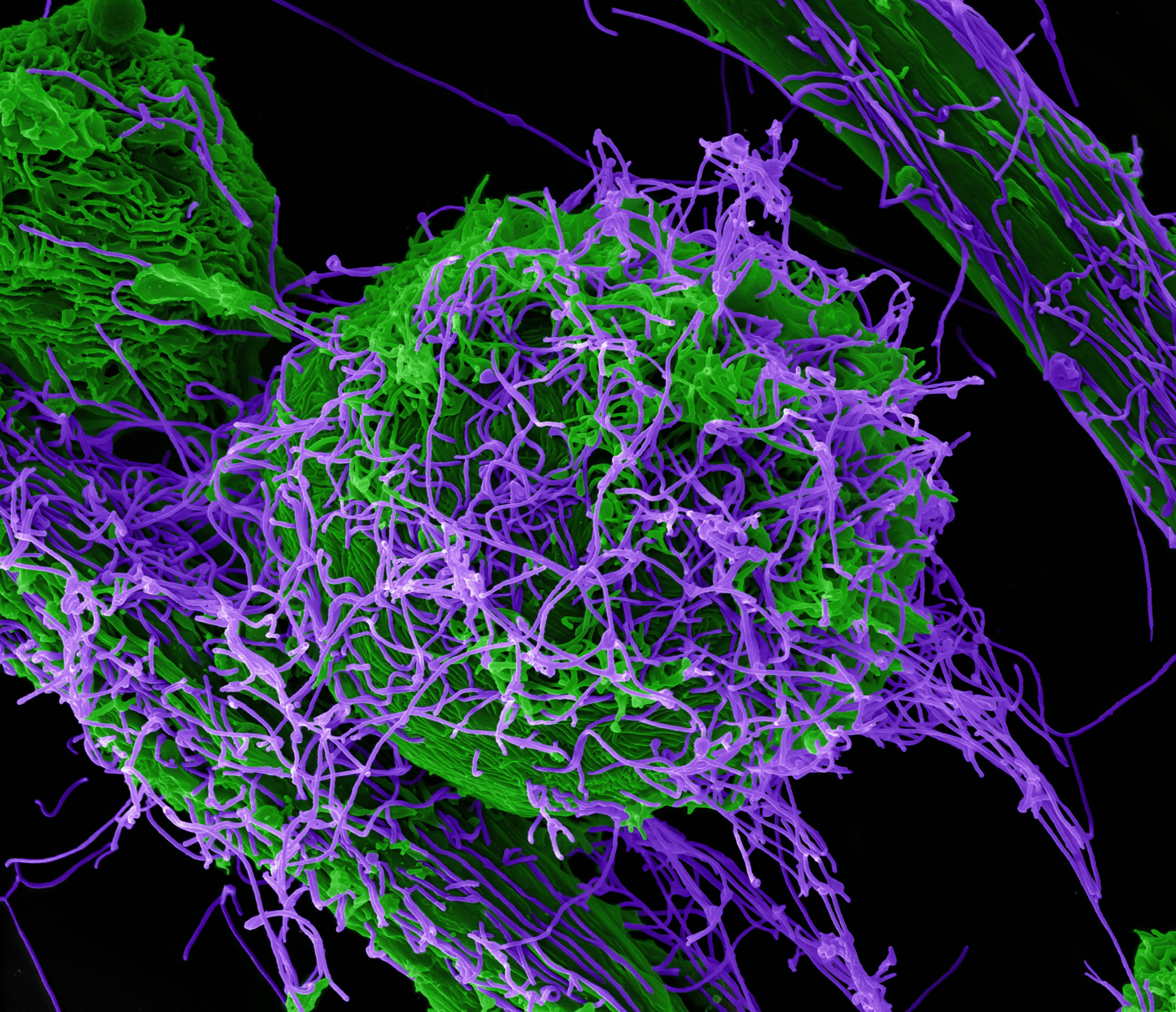
Ebola spreads through direct contact with the bodily fluids of infected people or contaminated materials. Symptoms usually appear within two to 21 days of exposure, beginning with fever, fatigue, muscle aches, headaches and a sore throat before progressing to vomiting, diarrhea, abdominal pain and, in severe cases, internal and external bleeding.
Unlike the more common Zaire strain, the Bundibugyo variant has no approved vaccine or targeted treatment. Patients currently receive supportive care, including intravenous fluids, electrolyte replacement and oxygen therapy, which can improve survival when administered early. The current outbreak has revived memories of the 2014-2016 West Africa epidemic, which claimed more than 11,000 lives
Global concern grows

The infected humanitarian worker is the second known American affected during the current outbreak. Missionary physician Dr. Peter Stafford contracted the virus earlier in the epidemic and recovered after being medically evacuated to Germany.
Ahead of the 2026 FIFA World Cup, the U.S. State Department warned that the Ebola outbreak poses a potential international public health risk and urged the European Union to strengthen efforts to prevent cross-border spread. At the time, Secretary of State Marco Rubio discussed the situation with European Commission President Ursula von der Leyen as Washington pushed for greater international coordination. “The Department’s highest priority and focus remain protecting the health of the American people and preventing this Ebola outbreak from reaching our shores,” the State Department said, while an official told the Associated Press that the international community needed to “step up as well.”