









The Wall Street Journal‘s editorial board has warned that President Donald Trump‘s newly signed overhaul of the childhood vaccine schedule could further increase measles cases as the United States faces its worst outbreak in more than three decades.
The outlet closed with a blunt warning, “The other risk: more measles,” capping a broader critique that accused the administration of putting politics ahead of scientific evidence.
What the executive order does
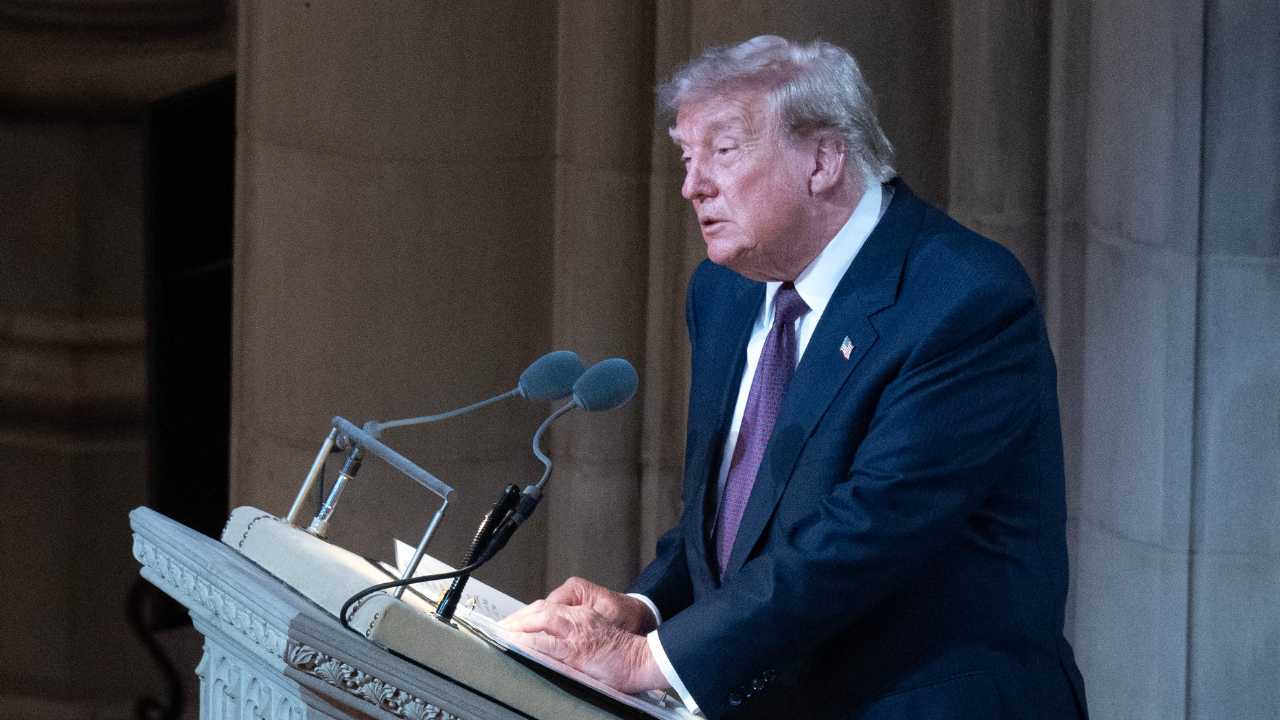
Trump signed the order, titled “Gold Standard Childhood Vaccine Recommendations,” in the Oval Office on August 10. According to the White House, it reduces the number of diseases for which children are universally recommended to receive vaccines from 18 to 11.
Under the revised guidance, vaccines for influenza, COVID-19, rotavirus and hepatitis A and B move to “shared clinical decision-making” between parents and doctors.
The order also calls for separating the combined measles-mumps-rubella (MMR) vaccine into three shots administered at different times. At the signing, Trump claimed without citing evidence that the existing MMR formulation could be “quite lethal” when given all at once, without providing evidence and compared the cumulative volume of childhood vaccines to a soda bottle being poured into a child’s body.
“We want it in three separate vaccinations, given at separate times,” Trump told reporters.
Why health officials say the plan is unsupported
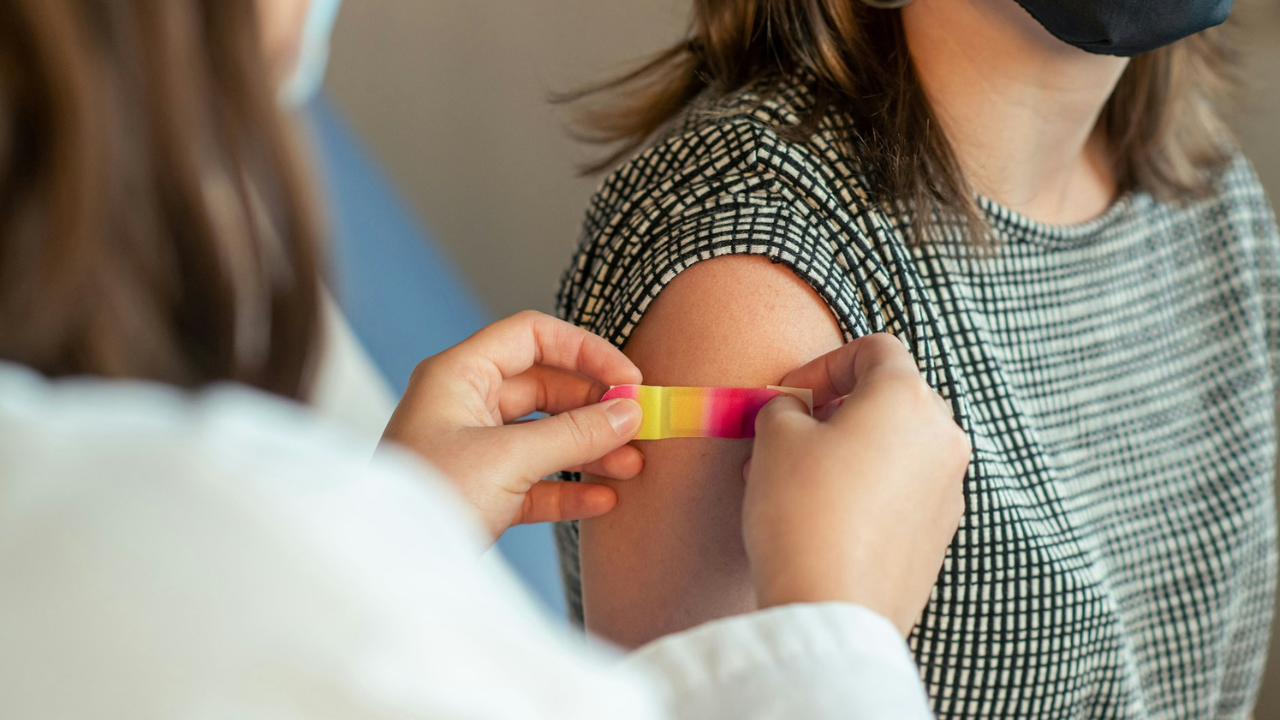
The Centers for Disease Control and Prevention has said there is no published scientific evidence showing a benefit to separating the MMR vaccine into three individual shots. The agency acknowledges a very small risk of febrile seizures and rare serious allergic reactions from the existing vaccine but maintains that vaccination is far safer than contracting measles, mumps or rubella.
CDC officials and vaccine safety experts at the American Academy of Pediatrics have also said the MMR vaccine is not responsible for the recent rise in measles cases.
There are currently no individually licensed vaccines for measles, mumps and rubella.
Manufacturers would need to conduct clinical trials to bring separate shots through the approval process, potentially making vaccination more expensive and time-consuming for families. It is also unclear whether insurers would cover the additional pediatrician visits a split schedule could require.
Legal action against states
Trump has directed Attorney General Todd Blanche to pursue legal action against state laws that conflict with what the order describes as parental authority, religious freedom, disability accommodations and equal protection.
Blanche, Trump’s former criminal defense lawyer, was sworn in at the White House the same day the vaccine order was signed after being confirmed by the Senate in a 50-49 vote.
The report warned that the Justice Department could sue states whose school vaccination requirements differ from Trump’s revised schedule. The board compared that potential approach to the Biden administration’s efforts to enforce COVID-19 vaccination policies.
The measles backdrop
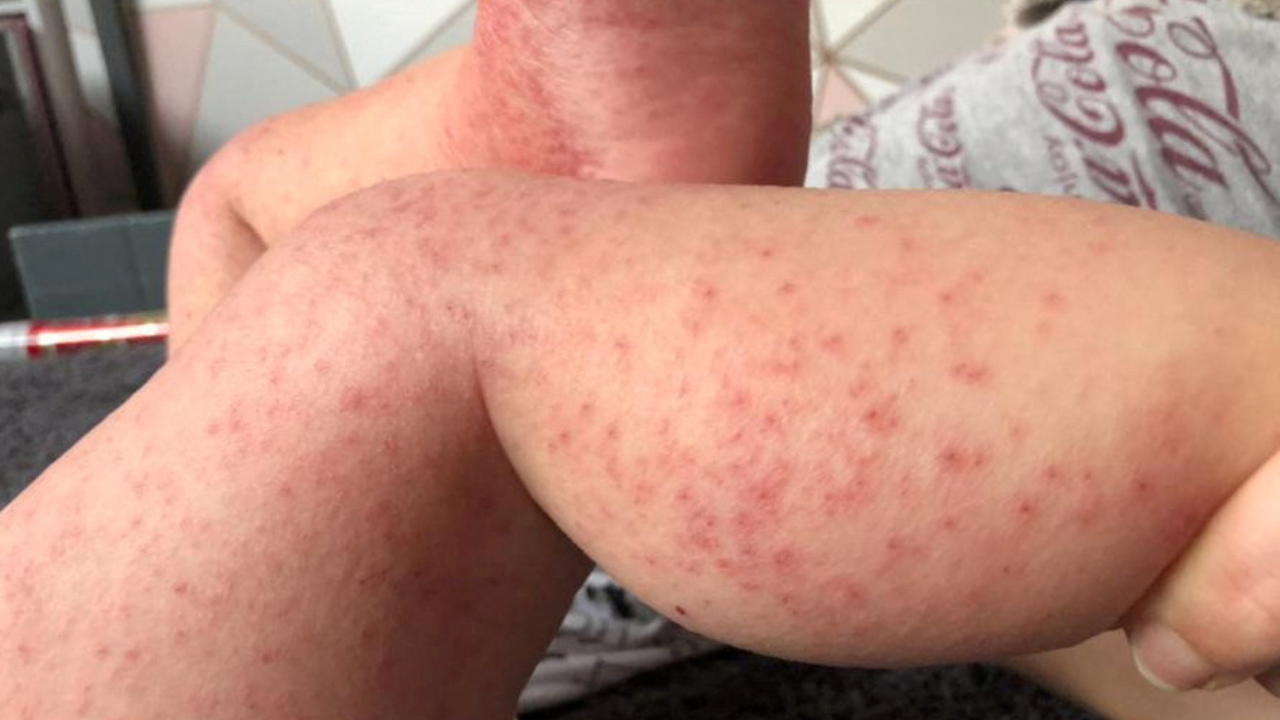
The order comes as the United States faces its most severe measles outbreak in decades. The CDC confirmed 94 new cases in its latest weekly update. Ninety-three percent of patients were either unvaccinated or had an unknown vaccination status, while 7% required hospitalization.
No measles deaths have been reported in 2026, although three people, including two children, died from the disease in 2025.
Measles cases in the first seven months of 2026 have already surpassed the full-year total for 2025, when the United States recorded its highest annual case count in more than three decades. The country has maintained official measles elimination status since 2000, meaning there has been no continuous domestic transmission for 12 months or longer.
The Pan American Health Organization is scheduled to review the U.S. elimination status in November. The review will determine whether the country has maintained elimination or, like Canada in November 2025, lost that status after sustained domestic transmission.
The University of Minnesota’s Center for Infectious Disease Research and Policy has concluded that the United States is highly likely to lose its measles elimination status in 2026 based on current trends.