










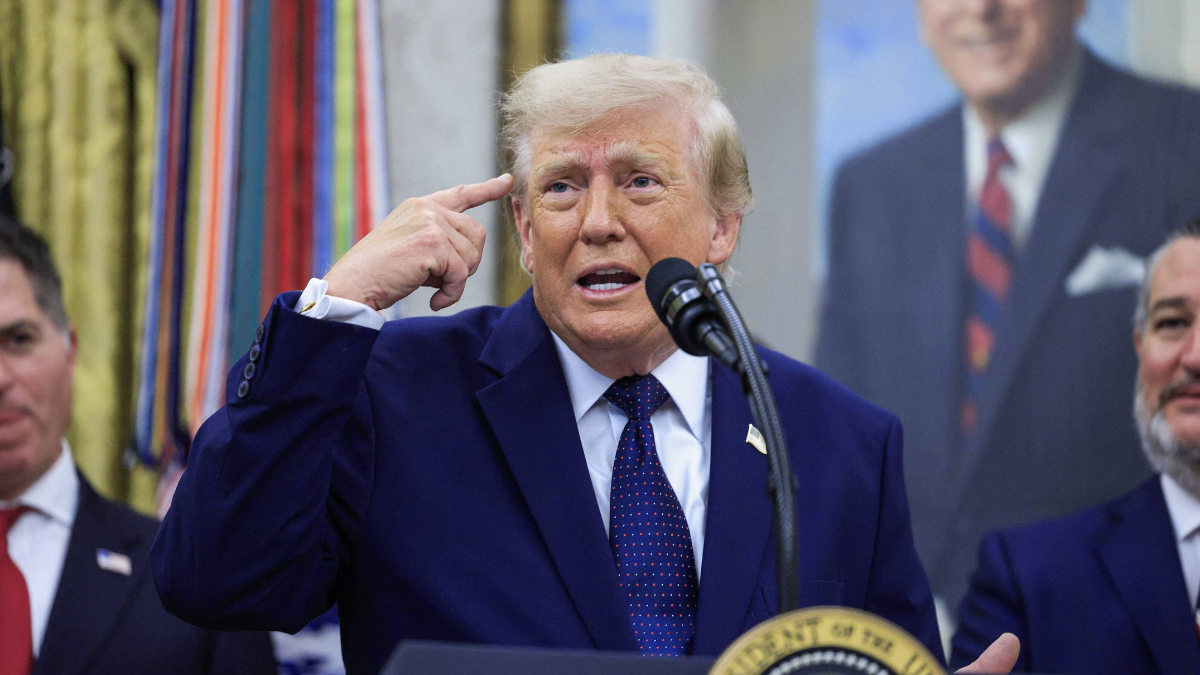
President Donald Trump said Iran had reached out to Washington seeking negotiations after fresh U.S. military strikes, but questioned whether Tehran could be trusted to honor any agreement. He made the remarks aboard Air Force One after the NATO summit in Ankara, Turkey, as fighting escalated in the Strait of Hormuz.
Speaking to reporters, Trump said, “Iran called a while ago. They want to make a deal so badly. I just don’t know if they are worthy. I don’t know if they are going to honor the deal. That’s the problem.”
He said Tehran was “begging for a deal” but warned Washington would continue responding forcefully to any Iranian attacks. “We just hit them very hard and I say we hit them 20 to 1. Every time they hit us, we’re going to hit them 20. When they hit, we hit back much harder.”
How the ceasefire collapsed
Trump said that he believed the ceasefire and interim agreement ending the war with Iran were “over” after both sides exchanged strikes following accusations that Tehran attacked three commercial ships in the Strait of Hormuz. He said negotiators could continue talks but dismissed the effort as “just a waste of time dealing with them.”
Speaking alongside NATO Secretary General Mark Rutte at the NATO summit in Ankara, Turkey, Trump said, “For me? I think it’s over.” He added, “I don’t want to deal with them anymore, they’re scum,” and described Iran’s leadership as “liars,” “cheats,” and “sick people.”
Trump also said the U.S. had paused negotiations for a week to allow Iran to hold funeral ceremonies for Supreme Leader Ali Khamenei. “We said, go and do your funeral stuff.” He continued, “And instead of that, they started shooting rockets at ships.”
U.S. military response across two nights
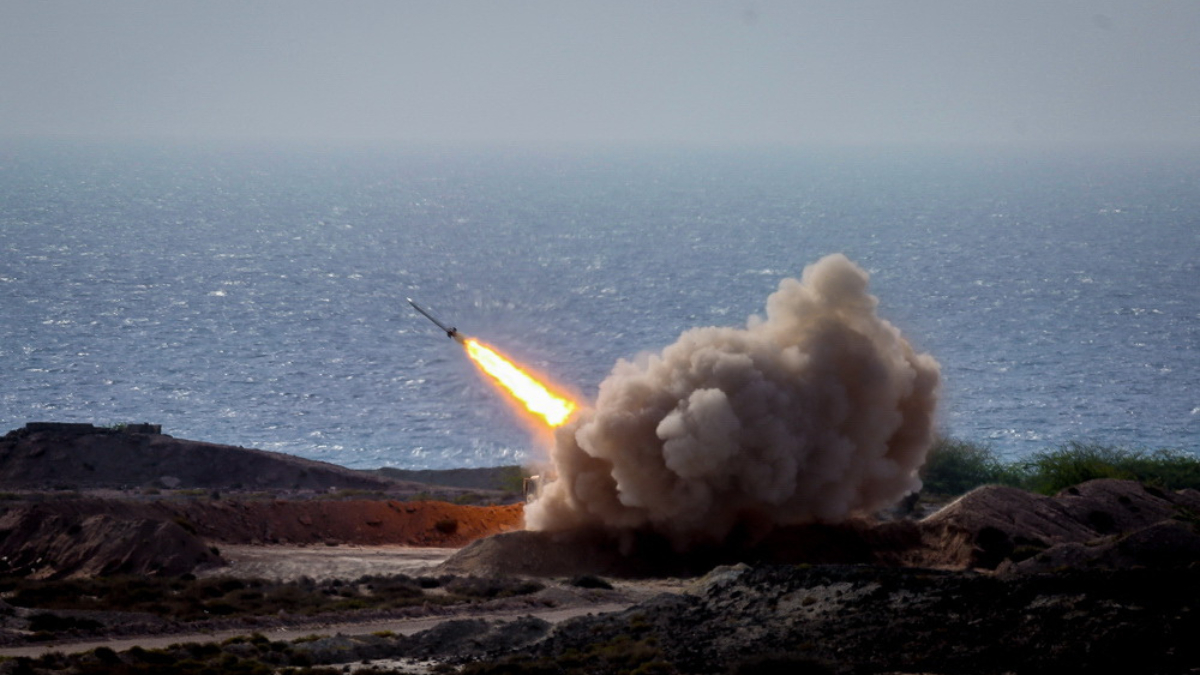
U.S. Central Command said American forces launched a new round of strikes aimed at further degrading Iran’s ability to attack shipping in the Strait of Hormuz. About 90 military targets were hit, including air defense systems, coastal surveillance assets, missile and drone storage sites, naval capabilities and logistics infrastructure along Iran’s coastline.
The operation followed strikes on July 7, that targeted about 80 sites, including more than 60 Islamic Revolutionary Guard Corps small boats, in response to Iranian attacks on three commercial vessels transiting the waterway.
A U.S. official described the latest operation as larger than previous retaliatory strikes, saying Air Force jets and Navy tactical aircraft carried out the attacks. Central Command called them a response to “Iran’s demonstrated aggression,” describing it as “unwarranted, dangerous and a clear violation of the ceasefire.”
A U.S. official also told NBC News the strikes were launched because of the attacks on commercial ships, saying, “This response is a direct result of the acts of international terrorism that have been perpetrated by Iran on innocent ships transiting the Strait of Hormuz.”
Trump threatens further escalation
Trump signaled additional strikes could target infrastructure that had previously been spared. At the NATO summit, he renewed a threat to strike Iranian electric plants and desalination plants, saying, “I don’t want to do that, but if we have to, we’ll take them out.” After Central Command announced the latest strikes, Trump warned military action would become “much worse” if Iran carried out more attacks.
During a separate meeting with Ukrainian President Volodymyr Zelenskyy, Trump said the U.S. would “very probably” strike Iran “hard again” that night. “I’ll give him a little warning. We’re going to hit them hard tonight, but we’ll see how it all works out,” he told reporters.
Trump also signaled the U.S. would reimpose its naval blockade in the Strait of Hormuz.
While Trump said Iran had contacted Washington, Tehran has not publicly confirmed any outreach. His comments suggest diplomacy may still be running alongside military operations, though it remains unclear whether meaningful negotiations are underway.