






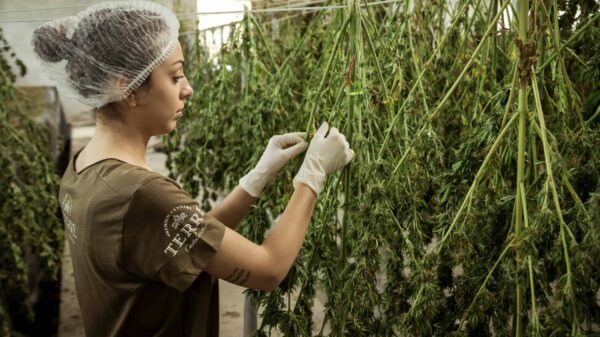


The abuse of marijuana narcotics (cannabis sativa) in Indonesia has become a serious problem, damaging the lives of individuals, families, communities, and the nation. Law No. 35 of 2009 on Narcotics regulates rehabilitation as an alternative to criminal punishment for drug addicts and abusers. This study aims to analyze the regulation and the implementation of rehabilitation for prisoners abusing marijuana in Indonesia. This study applied a socio-legal and descriptive approach with a qualitative method in which the data, in the form of primary, secondary and tertiary data, were collected through observation and interviews at the Cipta Wening Foundation, Kuningan, Indonesia. The results showed that the rehabilitation regulation for drug prisoners at the Cipta Wening Kuningan Foundation was Article 54 of Law Number 35 of 2009 on Narcotics. The implementation of rehabilitation at the Cipta Wening Kuningan Foundation included the stages of assessment, counseling, classification, sharing feelings, post-rehabilitation, and mental, spiritual and social development. Based on data, there were nine people in 2025 in which rehabilitation programs prioritized a holistic approach with Islamic therapy. Meanwhile, the inhibiting factors for the implementation of rehabilitation include limited facilities, limited professional staff, limited funding, and low support from parents and the environment. The conclusion is that the implementation of rehabilitation is already regulated in the regulations, and the implementation of rehabilitation for drug prisoners at the Cipta Wening Kuningan Foundation has made a positive contribution to the process of recovery and reintegration of drug prisoners into society. The suggestion is that the government and law enforcement officers must be consistent in implementing rehabilitation as a form of alternative punishment, especially for identified drug abusers, and must support rehabilitation at the Cipta Wening Kuningan Foundation by improving facilities, providing training for professional staff, and allocating a budget for rehabilitation programs.