








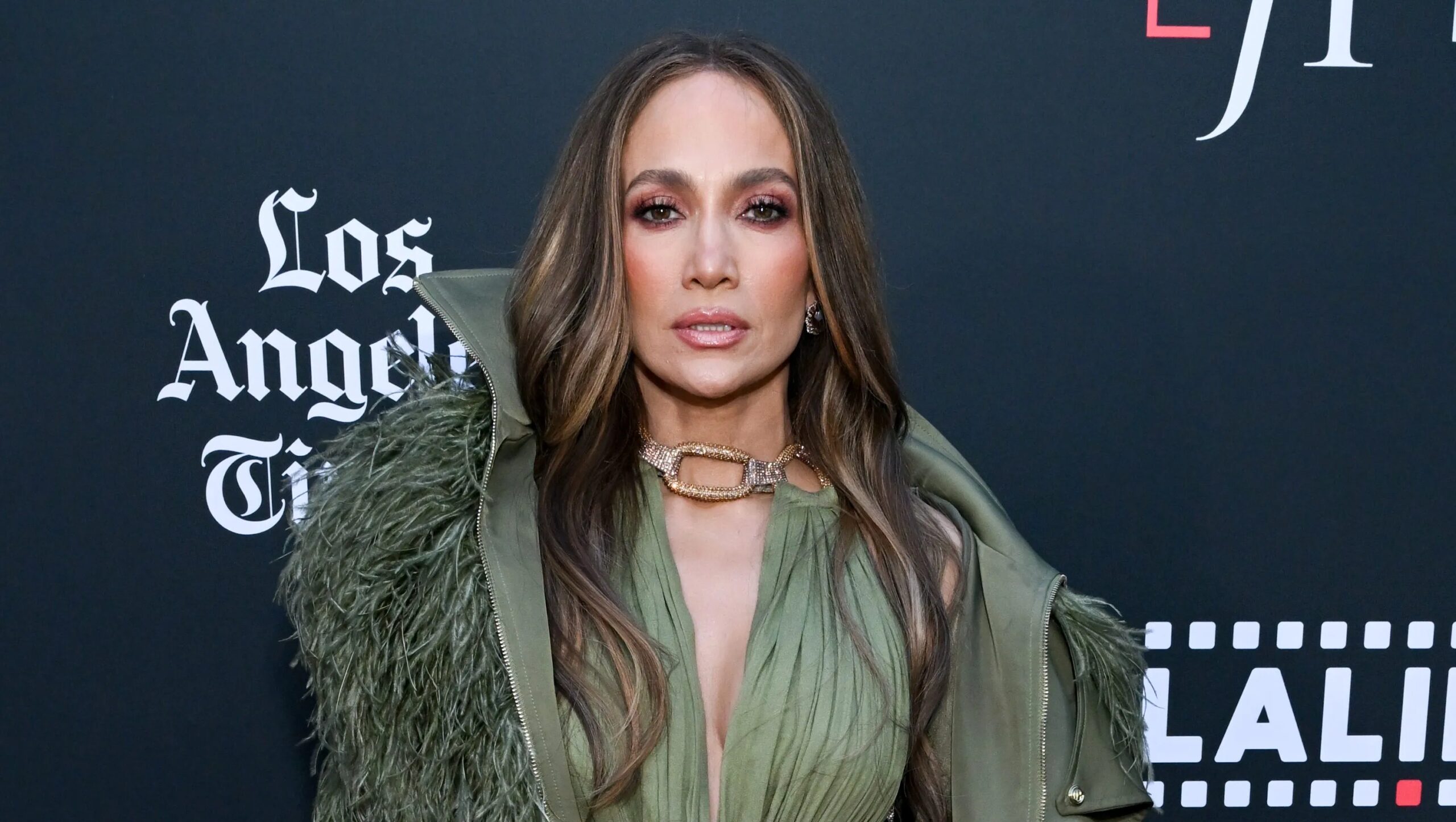
Jennifer Lopez just said the quiet part out loud. In a new interview, she listed the Hollywood stars she’d sleep with, admitted she misses “toxic obsessive love,” and credited her dad with healing her after the Ben Affleck split.
Pause on that middle one. A 56-year-old woman, four marriages in, looks into a camera and asks for the thing that broke her.
It’s easy to roll your eyes. Hasn’t she learned? Isn’t this the exact pattern that just ended her marriage on her birthday?
Here’s the thing. She has learned. That’s why she said it out loud. And the part everyone is reading as a red flag is actually the most honest thing she’s said about love in years.
The Word “Toxic” Is Doing More Work Than People Realize
When most people hear “toxic obsessive love,” they hear danger. Drama. A woman who hasn’t figured it out yet.
When I hear it, I hear someone describing what attachment feels like when the volume is turned all the way up.
Toxic, in my office, means two people getting so hurt that they tie themselves in knots and the conflict just grows. Nobody’s the villain. They’re both fighting for emotional survival and using gasoline instead of water. It’s a system both people built together, not a flaw in one person.
Jennifer isn’t asking for cruelty. She’s asking for intensity. For the experience of mattering enormously to someone, and them mattering enormously back. For the version of love where your whole nervous system lights up because this person is your person.
We all need to be emotionally bonded from the cradle to the grave. Your entire body is built to detect, is my person there for me? And when they’re not, you protest. You don’t outgrow that at 30 or 50 or 80. When it comes to love, we’re all still babies inside.
What pop culture calls “obsessive” is often just attachment that hasn’t been given a safe place to land. The longing is real. The wiring is real. The label is the problem.
Why Her Dad “Healed” Her More Than Another Man Could
This is the line in her interview that should stop people in their tracks. Not the sex list. Not the toxic love comment. The part where she says her father healed her from the Affleck breakup.
Because that’s the actual story.
In her earlier interviews, Jennifer has talked about her dad being absent for much of her childhood. So when a high-profile marriage ends and the person who shows up to put her back together is the parent who once couldn’t, something is happening that gossip headlines can’t see.
There’s a little kid inside each of us reaching out for love and connection. One of the first questions I ask in my work is, who didn’t mirror you back then? Whose absence wired you to chase the thing you needed most?
We can heal a lot of pain imaginatively, and sometimes literally, through repair. When a parent who wasn’t there before becomes present now, your nervous system can let it in. The dad is here now in a way he wasn’t back then. That actually changes something.
This is the work most people skip. They go straight to the next partner and ask that partner to be the parent, the lover, the healer, the witness, all at once. Then they call it toxic when it collapses under the weight.
If you’ve ever wondered which pattern you’re running, you can take our free relationship quiz and see what your nervous system is actually asking for under the noise.
The “Too Muchness” Everyone Keeps Trying To Talk Her Out Of
Here’s what I’d want Jennifer to know, and what I want you to know if you’ve ever been called too much.
The story playing in her head is probably some version of: I’m too much, no one will ever prioritize me, I’m never going to really matter to somebody. That story is so strong you can leave a whole marriage with it reinforced and walk straight into the next one carrying it.
It’s also not true. It’s actually the most lovable part of her.
The part of you that needs love the most isn’t weak or needy. It’s the best part of who you are. Your worst behaviors, the pursuing, the protesting, the volume, are doorways to your most beautiful parts. The same wiring that makes Jennifer sing about love like her life depends on it is the wiring that makes her ask too much of the men she picks. You can’t separate the gold from the so-called too muchness. It’s the same vein.
And the alternative isn’t healthy either. The opposite of pursuing isn’t peace. It’s the shutdown response that quietly ends more marriages than fighting ever did. We don’t want to stop a pursuer pursuing. We want to help them say what they actually mean: I love you, and I get really scared when it looks like you’re not there.
If you’re trying to figure out what’s a pattern and what’s a genuine warning sign, the science behind red flags in a relationship is a better starting point than another think piece on her love life.
What “Better” Could Actually Look Like For Her
Better isn’t picking a calmer man. Better isn’t dimming herself down to a manageable size.
Better is what she’s actually doing in this interview, even if she can’t name it yet. She’s letting her dad in. She’s saying the unsayable out loud, on a podcast, with cameras rolling. She’s refusing to pretend she wants chill love when her whole system was built for the opposite.
The next move isn’t another wedding. It’s learning to tell a partner, before the protest behavior starts, that the little kid inside her is scared she doesn’t matter. That’s the sentence underneath the fights about phones and schedules and who’s prioritizing whom.
Pursuers don’t need to stop pursuing. They need to share the soft thing underneath the pursuit. Withdrawers don’t need to stop withdrawing. They need to share the I’m-not-enough that drives them into the cave.
Both moves require someone in the room who can hear it without flinching. That’s the part nobody’s marriage to date has been able to hold.
The Part Worth Screenshotting
Jennifer Lopez isn’t broken because she still wants obsessive love at 56. She’s honest.
Most people stop asking. They settle for fine. They call their numbness maturity and their disconnection peace.
She’s still asking. Loudly. On camera. With her dad in the front row.
The work isn’t to want less. It’s to let the people who actually show up, show up all the way.
______________________________________________________________________________________________
Figs O’Sullivan and his wife, Teale, are couples therapists in San Francisco, relationship experts to the Stars and Silicon Valley, founders of Empathi, and built Figlet, our AI relationship coach, an AI relationship coach trained on their clinical work.